Digestive discomfort affects millions of people, and the supplement aisle offers endless promises. Between probiotic pills, fiber powders, and enzyme capsules, it’s hard to know which natural gut health supplements actually work and when food might be enough.
Understanding which natural options truly support gut health and when to choose food over pills can save you money while improving your digestion. Not everyone needs the same supplements, and knowing when to add targeted support makes all the difference.
The Short Answer
Natural gut health supplements include probiotics that restore beneficial bacteria, prebiotics that feed existing gut microbes, digestive enzymes that break down food, and compounds like L-glutamine that repair the intestinal lining. The most effective strategy follows the Smart Selection Approach: start with whole foods, add supplements when diet falls short, and build consistent routines for digestive wellness. Most people see improvements within two to four weeks with this combined approach.
The Smart Selection Approach
The Smart Selection Approach organizes gut health support into three clear phases: Foundation, Targeted Support, and Sustainable Habits.
Phase One focuses on whole food nutrition. Most digestive issues respond to dietary improvements before supplements become necessary. Phase Two adds specific supplements only when food alone doesn’t address your needs. Phase Three builds consistent routines that maintain improvements over time.
This framework prevents the common mistake of buying every supplement on the shelf. Instead, you invest strategically in what your body actually needs based on your specific digestive challenges.
Food First: Building Gut Health Naturally
Your gut responds best to nutrients from whole foods. Before reaching for supplements, consider whether dietary changes could address your digestive concerns.
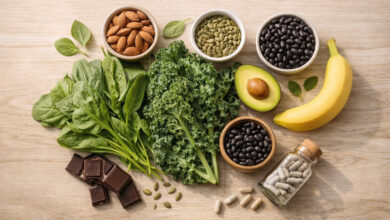
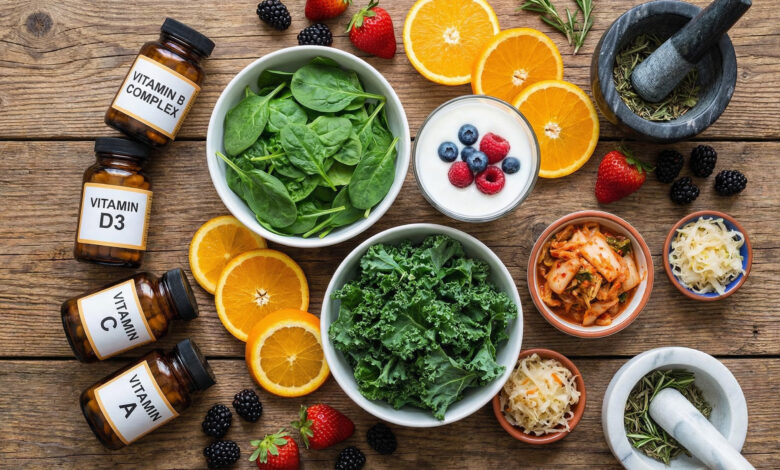
Fermented foods provide natural probiotics that support beneficial bacteria. Foods like yogurt, kefir, sauerkraut, and kimchi introduce diverse strains of helpful microorganisms. These food sources often work better than pills because they come packaged with additional nutrients your gut needs.
Fiber-rich vegetables, fruits, and whole grains act as natural prebiotics. Foods like garlic, onions, bananas, and oats feed the beneficial bacteria already living in your digestive tract. This strengthens your existing microbiome.
Some people can restore gut health entirely through diet. Others need supplemental support, especially after antibiotic use, during high stress, or when managing specific digestive conditions.
When Supplements Become Necessary
Certain situations make natural gut health supplements more than helpful—they become essential tools for restoring digestive function.
Antibiotics wipe out both harmful and beneficial bacteria. After completing a course of antibiotics, your gut microbiome needs active rebuilding. While fermented foods help, targeted probiotic supplements restore bacterial diversity more quickly.
Chronic stress affects digestive function through the gut-brain connection. When stress becomes persistent, supplements like L-glutamine help repair stress-related damage to the intestinal lining.
Restricted diets, whether by choice or medical necessity, sometimes create nutritional gaps. People with food allergies may struggle to get enough prebiotic fiber or digestive support from food alone.
Probiotics: The Foundation of Gut Support
Probiotics contain live beneficial bacteria that help balance your digestive system. Different strains serve different purposes.
Lactobacillus strains support lactose digestion and reduce bloating. L. acidophilus aids nutrient absorption, while L. rhamnosus supports immune function. Bifidobacterium strains strengthen immunity and improve regularity. B. bifidum maintains the intestinal barrier, and B. longum produces vitamins.
Multi-strain probiotics typically offer broader benefits than single-strain formulas. Look for supplements containing at least 1 billion CFU (colony-forming units) from multiple proven strains. Quality and strain diversity matter more than raw CFU numbers.
Storage requirements affect probiotic effectiveness. Some require refrigeration while shelf-stable options use special coating technologies. Check labels and follow storage instructions to maintain potency.
People with severely compromised immune systems or serious illness should avoid probiotic supplements. The bacteria can cause complications when the immune system can’t regulate them properly.
Prebiotics: Feeding Your Gut Ecosystem
Prebiotics don’t contain bacteria themselves. These specialized plant fibers nourish beneficial bacteria already living in your intestines.
Inulin, fructooligosaccharides (FOS), and galactooligosaccharides (GOS) all promote growth of helpful bacteria. When these fibers reach your colon, bacteria ferment them into short-chain fatty acids that support gut lining health.
You can get prebiotics from chicory root, Jerusalem artichokes, asparagus, and leeks. Supplements become useful when you can’t eat enough of these foods regularly. Powdered inulin dissolves easily in smoothies or water.
Start with small amounts when adding prebiotic supplements. Your gut bacteria need time to adjust, and too much too quickly can cause temporary gas and bloating.
Digestive Enzymes: Supporting Food Breakdown
Your body naturally produces enzymes that break down proteins, fats, and carbohydrates. Enzyme production can decline with age or during stress.
Digestive enzymes help when you experience bloating, gas, or heaviness after meals. Protease breaks down protein, lipase handles fats, amylase processes carbohydrates, and lactase helps digest dairy.
Broad-spectrum enzyme supplements work well for general support. Take them just before meals to maximize effectiveness. The enzymes break down food more completely, reducing fermentation that causes gas and discomfort.
If your digestion improves after a few weeks, you might reduce or eliminate enzymes while maintaining dietary improvements.
Fiber Supplements: When Food Falls Short
Most people don’t consume the recommended 25-35 grams of fiber daily. Insufficient fiber affects both digestion and gut bacteria health. Your gut microbes ferment fiber into beneficial compounds that support colon health and reduce inflammation.
Soluble fiber dissolves in water and forms a gel that slows digestion. This type helps regulate blood sugar and reduces cholesterol. Psyllium husk provides excellent soluble fiber. Insoluble fiber adds bulk to stool and helps food move through your digestive tract efficiently.
Fiber supplements fill gaps when dietary fiber is insufficient. Methylcellulose and wheat dextrin offer gentle fiber that rarely causes cramping.
Start slowly when introducing fiber supplements. Begin with half the recommended dose and gradually increase over 1-2 weeks. Always increase water intake when adding fiber supplements. Aim for an extra 8-16 ounces of water daily when using fiber regularly.
Take fiber supplements at least 2 hours before or after medications, as fiber can interfere with drug absorption.
L-Glutamine: Repairing the Gut Lining
L-glutamine is an amino acid that supports the cells lining your digestive tract. These cells regenerate rapidly and need specific nutrients to maintain their protective barrier function.
When the gut lining becomes compromised, larger food particles and bacterial fragments can pass through, triggering inflammation. L-glutamine provides fuel for intestinal cells, helping them maintain tight connections and proper barrier function.
This supplement particularly benefits people recovering from gut irritation, managing food sensitivities, or experiencing stress-related digestive issues. Take it on an empty stomach for best absorption.
L-glutamine works best as part of a comprehensive approach. Combine it with probiotics, anti-inflammatory foods, and stress management for optimal results.
Herbal Digestive Support: Natural Comfort
Traditional herbs have supported digestion for centuries. Modern research confirms many of these botanicals offer real benefits.
Ginger reduces nausea and stimulates digestive secretions. Peppermint oil relaxes intestinal muscles and reduces gas and cramping. Turmeric provides anti-inflammatory benefits that calm gut irritation.
Fennel seeds help reduce bloating. Chamomile soothes the digestive tract and promotes relaxation, which indirectly benefits gut function through the gut-brain connection.
Herbal blends often combine several of these botanicals for synergistic effects. They work particularly well when digestive discomfort stems from stress or irregular eating patterns.
Common Myths About Natural Gut Health Supplements
Several misconceptions surround gut health supplements. Clearing these up helps you make better choices.
Myth: More probiotics always work better. Higher CFU counts don’t guarantee better results. Quality, strain diversity, and proper storage matter more than raw numbers. A well-formulated product with 10 billion CFUs often outperforms a poorly stored product claiming 50 billion CFUs.
Myth: All fermented foods work like probiotic supplements. While fermented foods provide beneficial bacteria, they vary widely in bacterial strains and concentrations. Not all fermented products contain enough live cultures to significantly impact gut health. They complement but don’t replace targeted supplementation when needed.
Myth: Supplements fix poor dietary habits. No supplement compensates for a diet high in processed foods and sugar. Supplements support good nutrition but can’t override consistently poor eating patterns.
Myth: Everyone needs the same gut health supplements. Individual microbiomes vary significantly. What works for your friend might not address your specific needs. The Smart Selection Approach emphasizes personalized strategies rather than universal recommendations.
Step-by-Step: Building Your Natural Gut Health Routine

Strategic supplementation works better than random pill-taking. The Smart Selection Approach recommends this sequence:
Step One: Morning Foundation Start your day with a probiotic and water 15-20 minutes before breakfast. This timing allows beneficial bacteria to establish themselves before encountering food. Choose a multi-strain formula with at least 1 billion CFUs from proven strains.
Step Two: Mealtime Enzyme Support Take digestive enzymes just before eating your largest meal. Keep them at your dining table as a reminder. Broad-spectrum enzymes work best for general support unless you have specific food sensitivities requiring targeted enzymes like lactase.
Step Three: Daily Fiber Integration Add prebiotic fiber supplements with lunch or dinner to support sustained bacterial growth. Split your daily fiber dose between morning and evening for steady digestive support. Always increase water intake by 8-16 ounces when using fiber supplements.
Step Four: Evening Repair Take L-glutamine on an empty stomach before bed if you’re working on gut lining repair. Many people find this timing most convenient and effective. Powdered forms dissolve easily in water and absorb quickly.
Step Five: Weekly Evaluation Track your symptoms weekly rather than daily. Gut healing takes time, and day-to-day fluctuations are normal. Look for gradual patterns over 4-6 weeks before adjusting your approach.
This structured routine prevents the confusion of taking everything at once while ensuring each supplement works optimally.
Combining Diet and Supplementation
The most effective gut health strategies blend whole foods with targeted supplements. Continue eating fermented foods even when taking probiotic supplements. The food provides nutrients and additional bacterial strains that complement your supplement.
Stay hydrated by drinking about half your body weight in ounces of water daily. Proper hydration supports every aspect of digestive function.
Manage stress through practices like deep breathing or walking. Your gut-brain connection means that mental stress directly impacts digestive health.
What to Expect: Your Supplement Timeline
Natural gut health supplements work gradually. Understanding realistic timelines helps maintain consistency when results seem slow.
Weeks 1-2: Initial Adjustment Your digestive system adapts to new supplements during this period. Some people experience temporary gas or bloating as gut bacteria adjust. These symptoms typically resolve as your microbiome stabilizes.
Weeks 3-4: Early Improvements Most people notice subtle positive changes during this window. Bloating may decrease, bowel movements may become more regular, and energy levels often improve.
Weeks 5-8: Noticeable Benefits Significant improvements typically appear during this phase. Digestive discomfort becomes less frequent, and you notice patterns connecting specific foods or stress levels to symptoms.
Weeks 9-12: Long-Term Stability Improvements plateau and stabilize. You’ve identified which supplements provide real benefit versus those you can discontinue. The Smart Selection Approach becomes intuitive as you recognize your body’s needs.
If you see no improvement after 8 weeks of consistent use, consult a healthcare provider. Persistent symptoms may indicate underlying conditions requiring professional evaluation.
When to See a Healthcare Provider
Persistent digestive symptoms require professional evaluation. Supplements support gut health but don’t replace medical diagnosis and treatment.
Severe abdominal pain, blood in stool, unexplained weight loss, or persistent vomiting warrant immediate medical attention.
If digestive discomfort continues despite dietary changes and supplementation for 4-6 weeks, consult a healthcare provider. Ongoing issues might stem from food intolerances or SIBO (small intestinal bacterial overgrowth).
Discuss all supplements with your doctor before starting them, especially if you take prescription medications.
FAQ About Natural Gut Health Supplements
Which natural gut health supplements should I start with?
Begin with a multi-strain probiotic and increase dietary fiber through whole foods. After 2-3 weeks of consistent use, add a prebiotic supplement if needed. This staged approach lets you identify what works without overwhelming your system. The Smart Selection Approach emphasizes starting simple and building gradually.
Can I take too many gut health supplements?
Yes. More isn’t always better for gut health. Excessive probiotic use can lead to small intestinal bacterial overgrowth in some people. Too much fiber without adequate water causes constipation. Start with basics and add supplements only when specific needs emerge.
How long before natural gut health supplements show results?
Most people notice subtle improvements within 2-4 weeks. More significant changes typically appear after 6-8 weeks of consistent use as bacterial populations stabilize and gut tissue repairs. Follow the timeline expectations outlined in the Smart Selection Approach.
Are expensive supplement brands worth the cost?
Price doesn’t always indicate quality. Look for third-party testing, clear labeling of strains and CFU counts, and proper storage requirements. Well-formulated mid-range products often work as effectively as premium brands.
Should I take gut health supplements with or without food?
It depends on the supplement. Probiotics work well before meals. Digestive enzymes should be taken with food. Prebiotics can go either way. L-glutamine absorbs best on an empty stomach. Follow product-specific instructions for optimal results.
Can children take natural gut health supplements?
Some supplements are safe for children, but always consult a pediatrician first. Dosing differs significantly between children and adults. Many kids can improve gut health through dietary changes alone.
Do natural gut health supplements interact with medications?
Some can. Probiotics may affect immunosuppressant medications. Fiber supplements can interfere with medication absorption if taken too close together. Always inform your healthcare provider about all supplements you take.
The Goli Approach to Gut Support
Goli Pre-, Post-, and Probiotic Gummies combine beneficial bacteria, prebiotic fiber, and postbiotic compounds in one convenient product. This three-in-one approach addresses multiple aspects of gut health simultaneously within the Smart Selection Approach framework.
The gummy format makes consistent daily use easier for people who struggle with pills. Taking two gummies daily provides foundational support for your gut microbiome. The pre- and postbiotic components work together with the live bacteria to create a complete digestive support system.
Goli Apple Cider Vinegar Gummies offer additional digestive support through acetic acid compounds. These gummies provide potential benefits without the harsh taste or dental concerns associated with liquid vinegar.
Many people combine Goli gummies with whole food approaches and additional targeted supplements based on their specific needs. This layered strategy addresses gut health from multiple angles rather than relying on any single product.
You May Also Like
If you’re considering Goli gummies as part of your supplement routine, understanding their safety profile and quality standards helps you make informed decisions. Learn whether Goli gummies are good for you through a complete evaluation of their ingredients, manufacturing processes, and third-party testing.
The Bottom Line
The Smart Selection Approach provides a clear path for improving gut health naturally. Start with fermented foods and fiber-rich vegetables before reaching for supplements. Add probiotics, prebiotics, or digestive enzymes only when dietary improvements don’t fully address your needs.
Focus on Phase One today: eat one fermented food and increase vegetable intake by one serving. Track your symptoms for two weeks before adding supplements. This measured approach prevents wasted money on products your body doesn’t need.
Consistency matters more than perfection. Your digestive system responds to sustained patterns rather than sporadic efforts. Build sustainable routines using the step-by-step framework, and give your gut the 6-8 weeks it needs to heal and stabilize.
References
- 5 Supplements That Can Help Your Gut Feel Its Best. Hartford HealthCare.
- 5 Best Gut Health Supplements to Improve Digestion Naturally. Natural Endocrinology Specialists.
- 7 Ways To Improve Your Gut Health Naturally. Henry Ford Health.
- Improve and Reset Gut Health: Foods and Supplements to Try. Healthline.
- Probiotics. StatPearls. National Library of Medicine.
- A Gastroenterologist’s Guide to Probiotics. PMC – National Institutes of Health.
- Fiber: What It Is and What It Does for the Body. Cleveland Clinic.
- Probiotics: Usefulness and Safety. NCCIH – National Institutes of Health.