If you are comparing NAD vs NR as if they are two different supplements you could choose between, the framing itself is the source of confusion. NAD and NR are not alternatives. They are not competing products. They exist in a precursor-to-product relationship: NR is a form of vitamin B3 that your body converts into NAD. The question is not which one to take. The question is which form gets NAD into your cells most effectively, and that is where the comparison becomes genuinely useful.
Understanding this relationship changes how you evaluate every NAD-related product on the market. It also explains why the right NAD supplement uses NR as its active ingredient rather than NAD itself, and why that choice is supported by the research.
Over 700,000 Goli Zero Sugar 3 Pack bundles have sold on TikTok Shop in under a year, and 10 billion Goli gummies have been sold worldwide since 2018. The people building serious cellular health routines understand why the form of supplementation matters.
The Short Answer
NAD is the coenzyme your cells need for energy production, DNA repair, and aging regulation. NR is a vitamin B3 form that converts into NAD inside cells. Oral NAD cannot effectively raise cellular NAD because the molecule is too large to cross cell membranes and breaks down in digestion. NR enters cells through specific transporters, converts to NAD in two steps, and is the most studied oral precursor available.
Why This Is Not a Simple Comparison
The framing of NAD vs NR implies a binary choice between two equal options. That framing misrepresents how the biology works. NAD and NR are related but they operate at different points in the same chain.
NAD, or nicotinamide adenine dinucleotide, is the finished molecule that performs the work inside cells, carrying electrons in energy metabolism, activating DNA repair enzymes, and enabling sirtuin function. It is present in every cell in your body and is constantly being made, used, and regenerated.
NR, nicotinamide riboside, is a building block. It is classified as a form of vitamin B3 and is naturally present in small amounts in cow’s milk and other foods. When you consume NR, it enters cells through transport proteins and is converted into NAD through a two-step enzymatic process involving nicotinamide riboside kinase enzymes.
Cleveland Clinic describes NAD as a molecule found in every cell that carries electrons between chemical reactions to power the body’s energy production, with levels declining naturally as we age (Cleveland Clinic NAD overview). NR is one of the precursor pathways the body uses to maintain that supply as production from other sources becomes less efficient with age.
The Precursor Choice Method

The Precursor Choice Method is a three-step framework for understanding why NR is the right form to choose when you want to support cellular NAD levels orally. Each step addresses one of the three questions anyone researching this topic will eventually ask.
Step One: Understand Why You Cannot Just Take NAD
If the goal is to raise NAD levels inside cells, the most direct approach would seem to be taking NAD itself. This does not work as expected, and the reason is chemical rather than arbitrary.
NAD is a large, complex molecule. When you take oral NAD, the digestive system breaks it down before it can be absorbed intact. Even if some NAD survived digestion, it would face a second problem: the molecule is too large to cross cell membranes through normal transport. Cells have specific transporters designed for smaller precursor molecules like NR, not for intact NAD. PMC research on NR’s current state confirms that NR can elevate NAD+ levels in mammalian cells and tissues, while direct oral NAD faces significant absorption challenges that make it a less reliable strategy for increasing intracellular NAD (PMC NR research and therapeutic uses).
This is why IV NAD delivery exists as a clinical option, bypassing the digestive tract entirely allows intact NAD to reach the bloodstream. For most people, IV supplementation is impractical and expensive, which is exactly what makes effective oral precursors like NR valuable.
Step Two: Understand How NR Reaches NAD Inside Cells
NR takes a different and more efficient route. As a smaller molecule, NR crosses cell membranes through equilibrative nucleoside transporters. Once inside the cell, it is converted to nicotinamide mononucleotide (NMN) by an enzyme called nicotinamide riboside kinase, and NMN is then converted to NAD by a second enzyme called NMNAT. Two steps from NR to NAD, entirely within the cell where it is needed.
This intracellular conversion pathway is why NR supplementation reliably raises blood and tissue NAD levels in humans. Healthline confirms that animal and human studies show NR efficiently and consistently raises blood NAD+ levels, and that it is more readily converted by the body than other NAD+ precursors (Healthline NR and NAD overview).
The clinical evidence on this point is among the most consistent in the NAD research literature. Multiple randomized controlled trials have demonstrated dose-dependent increases in blood NAD following NR supplementation, with increases ranging from roughly 50 percent at moderate doses to over 100 percent at higher doses across different study populations.
Step Three: Understand Why NR Is the Right Precursor Choice
NR is not the only oral NAD precursor available. NMN, niacin, and nicotinamide are also used. Each works through a different pathway with different characteristics.
Niacin (nicotinic acid) is the oldest and most studied NAD precursor, but it causes flushing, a harmless but uncomfortable skin reaction, at the doses needed to meaningfully raise NAD. Nicotinamide (NAM) does not cause flushing but is an inhibitor of sirtuins at higher doses, meaning it potentially interferes with one of the key downstream benefits of raising NAD. NMN is a close relative of NR with promising animal evidence but fewer completed human clinical trials and a more complex regulatory status in some markets.
NR has the most extensive human clinical evidence base of any oral NAD precursor, a well-established safety profile confirmed across multiple trials, and no flushing effect. NIH ODS confirms that niacin and its derivatives are essential B3 vitamins that the body converts into NAD, and that maintaining adequate NAD precursor intake is foundational to cellular health (NIH ODS niacin fact sheet). NR sits in this B3 family alongside niacin but with a more favorable profile for supplementation at the doses relevant to NAD support.
What the Clinical Research Shows
Multiple human clinical trials confirm NR raises NAD in a dose-dependent manner. A randomized crossover trial with healthy middle-aged adults found well-tolerated, significant increases in whole-blood NAD, with signals of reduced blood pressure and arterial stiffness. A dose-finding study with 133 adults showed 10 percent, 48 percent, and 139 percent NAD increases at 100, 300, and 1,000 mg daily respectively. WebMD confirms NR is generally well tolerated with few side effects at recommended doses (WebMD nicotinamide riboside overview). A separate brain NAD trial using magnetic resonance spectroscopy found significant increases after a single NR dose, confirming NR’s reach extends to neurological tissue.
Why NAD Declines and Why It Matters
NAD is not simply depleted through normal use. DNA damage accumulates with age, chronically activating PARP enzymes that consume NAD in repair reactions. CD38 increases with age due to chronic inflammation and degrades NAD continuously. NIH NIA documents this as a driven biological process linked to altered metabolism and increased disease susceptibility (NIH NIA NAD metabolism and aging). NR supplementation addresses the supply side by providing the building block needed to regenerate NAD through the NR kinase pathway.
The NR vs NMN Question Within This Comparison
Within the NAD precursor category, a second comparison often follows the NAD vs NR discussion: NR vs NMN. Both are effective oral precursors for raising NAD. The practical distinction is this.
NMN is one step closer to NAD structurally, it is the molecule that NR converts into before becoming NAD. Some researchers initially proposed this made NMN more efficient. However, subsequent research found that NMN is too large to cross cell membranes directly and must first be converted to NR outside the cell before entering. This means NMN takes an extra step that NR does not, and some of the NMN taken orally is converted to NR in the gut before absorption.
The clinical evidence base for NR in humans is larger than for NMN. NR has FDA Generally Recognized as Safe (GRAS) status, has been reviewed and approved by Health Canada and the European Food Safety Authority, and has been studied in clinical trials ranging from weeks to months. NIH MedlinePlus confirms NR is a form of Vitamin B3 generally considered safe at dietary supplement doses with a well-established pharmacological profile (NIH MedlinePlus NR overview).
For most people building a practical daily NAD support routine, NR is the better-evidenced and more straightforwardly available option.
How Long NR Takes to Make a Difference
NR raises NAD levels relatively quickly in the blood, with measurable increases documented within days to weeks of consistent supplementation. The subjective experience of improved energy and recovery takes longer, typically three to six weeks of daily use, because it reflects cumulative cellular adaptation rather than a direct acute effect.
The clinical research suggests the largest absolute increases in NAD occur in people who start with the lowest baseline levels. Adults in midlife and beyond, who tend to have more significant age-related NAD depletion, often show more pronounced responses than younger adults.
Give any NR supplementation protocol at least six to eight weeks before assessing whether it is producing noticeable effects. The mechanism operates on a biological timeline that rewards consistency.
What People Get Wrong About NAD vs NR
“NAD supplements are the same as NR supplements.” They are not. Products labeled as NAD supplements typically contain precursors like NR, NMN, or niacin, not intact NAD, because intact oral NAD is poorly absorbed. Reading the active ingredient list tells you what you are actually taking. If the active ingredient is NR, the product will raise your NAD levels through the NR kinase pathway. If it contains intact NAD, the effect is less predictable.
“NR is just a cheaper version of NAD.” NR is not a budget substitute for NAD. It is the biologically appropriate delivery mechanism for raising intracellular NAD levels orally. The distinction is not about quality or cost, it is about which form can actually reach the cellular location where NAD synthesis occurs.
“More NR is always better.” NR raises NAD in a dose-dependent way up to a point. Very high doses produce high levels of nicotinamide as a byproduct of NAD metabolism, and nicotinamide at high concentrations can inhibit sirtuins. This is not a concern at standard supplement doses, but it is a reason not to dramatically exceed recommended doses in the belief that more is better.
“NR and NAD both work the same way in the body.” They do not. NR enters cells through specific transporters and is converted to NAD intracellularly. Oral NAD, if not broken down by digestion, would need to access NAD+ transporters that are less abundantly expressed. The cellular access routes are different.
Who Should Consider NR Supplementation
NR is most relevant for adults in their 30s and beyond who want to support cellular energy and healthy aging proactively. It requires consistency over weeks, not days, so the people who see the most meaningful results approach it as a long-term daily habit. People taking prescription niacin should note the pathway overlap and consult a healthcare provider before adding NR supplementation.
Frequently Asked Questions: NAD vs NR
Is NR the same as NAD?
No. NR is a precursor to NAD, not NAD itself. NR is a form of vitamin B3 that enters cells through specific transport proteins and is converted into NAD through a two-step enzymatic process. NAD is the finished coenzyme that does the work inside cells: powering energy production, enabling DNA repair, and activating sirtuins. You cannot effectively raise cellular NAD by taking oral NAD directly, which is why NR is the more practical choice for supplementation.
What is better, NAD or NR?
For oral supplementation, NR is more effective at raising cellular NAD levels than taking oral NAD directly. This is because oral NAD is poorly absorbed, it is too large to cross cell membranes and is broken down in digestion before it can reach intracellular compartments. NR is specifically designed by nature to enter cells via nucleoside transporters and convert to NAD inside the cell where it is needed. The comparison is not really about which is better in a general sense, but about which form reaches its destination.
Which form of NAD is most effective?
Among oral NAD precursors, NR has the most extensive human clinical evidence base. Multiple randomized controlled trials have confirmed that NR raises blood and tissue NAD levels in a dose-dependent manner and is well tolerated at recommended doses. NMN is a close competitor with similar mechanisms but fewer completed human trials. Niacin is effective but causes flushing. Nicotinamide raises NAD but may inhibit sirtuins at higher doses. NR offers the most favorable combination of evidence, bioavailability, and tolerability for most people.
Does NR actually increase NAD levels?
Yes. Multiple human clinical trials using direct NAD measurement methods have confirmed that oral NR supplementation raises blood and tissue NAD levels in humans. Increases ranging from approximately 50 percent at moderate doses to over 100 percent at higher doses have been documented across different study populations. The effect is dose-dependent and consistent across trials. This is one of the most replicated findings in the NAD supplementation research literature.
What are the side effects of NR?
NR is generally well tolerated at recommended supplement doses. Mild side effects reported in some trials include occasional nausea, headache, or digestive discomfort, typically at higher doses. These effects are uncommon at standard supplement doses. NR does not cause the flushing associated with niacin. NR has FDA GRAS status and has been reviewed and approved by regulatory bodies in Canada, Europe, and Australia. People with underlying health conditions or who take medications should consult a healthcare provider before starting any new supplement.
Should I take NR or NMN?
Both raise NAD effectively. The practical case for NR is a larger completed human clinical evidence base, clearer regulatory status, and the fact that NMN may need to be converted to NR before entering cells anyway. For most people choosing an oral NAD precursor for daily use, NR is the better-supported choice based on the current state of research. NMN may have advantages in specific contexts that ongoing research continues to explore.
Why Goli Renew Uses NR
After 168 consecutive days of TikTok Live, the NR vs NAD question comes up constantly. The answer is always the same: if you want to raise your cellular NAD levels orally, you take NR, not NAD. The biology does not offer a simpler route.
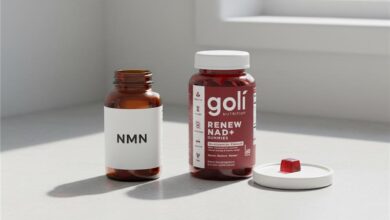
Goli Renew NAD+ Gummies use NR, nicotinamide riboside, as the primary active ingredient alongside Vitamin B3 and Vitamin C. The B3 supports NAD synthesis through the salvage pathway. The Vitamin C provides antioxidant protection for the cellular environment where NAD does its work. The center-filled gummy delivers the NR in a format that makes daily consistency achievable.
Five months of Goli Renew daily at midday. The result that stands out most clearly is more consistent energy in the afternoon window, specifically the 2 to 5 pm period where NAD-dependent mitochondrial efficiency shows up most clearly in daily experience. The gummies do not replace good sleep or exercise. They support the cellular layer underneath those habits.
We recommend Goli Renew NAD+ Gummies for anyone who has done the research and wants to act on it. Start daily. Stay consistent for eight weeks before assessing. NR raises NAD gradually, and the cellular benefits accumulate over time rather than arriving in a single noticeable moment.
Over 700,000 TikTok shoppers have built this daily routine, and 10 billion Goli gummies have been sold worldwide since 2018. Consistent daily use is what separates results from none.
I have secured exclusive TikTok pricing for Better Gut Daily readers. Get access here.
You May Also Like
For the full explanation of what NAD actually does inside cells once NR has been converted, the what does NAD do guide covers the NAD Function Method and the three roles NAD plays in cellular energy, DNA repair, and aging regulation.
The Bottom Line
NAD vs NR is not a comparison between two equivalent supplements. It is a relationship between a finished molecule and the precursor that delivers it. NAD is what your cells need. NR is how you get it there orally, through a direct and well-characterized pathway that the research has confirmed works reliably in humans.
The Precursor Choice Method makes this concrete: oral NAD cannot cross cell membranes effectively, NR can and does, and NR has the strongest human clinical evidence base of any available oral precursor. That is the full case for NR in three steps.
Over 700,000 TikTok shoppers have made the Goli daily routine part of their lives, and 10 billion Goli gummies have been sold worldwide since 2018. The people who stay consistent for eight weeks are the ones who report results.
If you want to start supporting NAD levels daily, the Goli Renew gummies use NR, the form the research supports, in a daily format that actually sticks.
References
- Cleveland Clinic: What is NAD and why does it matter for your health:
- Healthline: Nicotinamide riboside benefits, side effects and dosage:
- PMC: Nicotinamide riboside, the current state of research and therapeutic uses:
- WebMD: Nicotinamide riboside overview, uses, side effects and dosage:
- NIH Office of Dietary Supplements: Niacin health professional fact sheet:
- NIH National Institute on Aging: NAD metabolism and aging research:
- NIH MedlinePlus: Nicotinamide riboside overview and safety: