
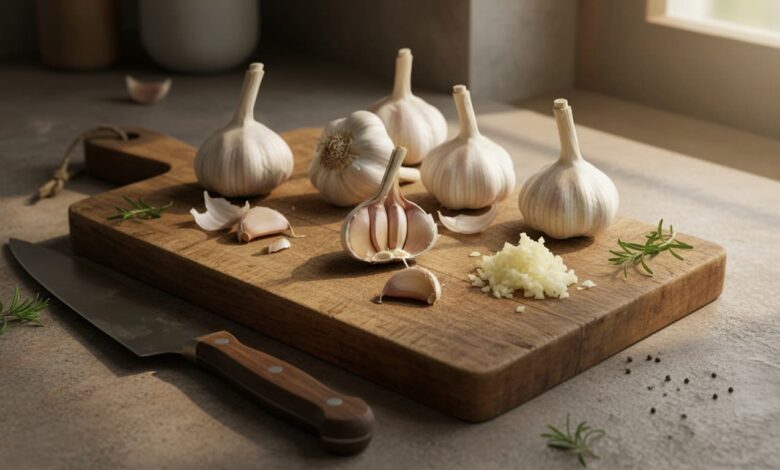
Garlic has been used as a food and a medicine for thousands of years. What most people do not know is that its strongest benefit may be the one least talked about: its relationship with the gut microbiome. When garlic is prepared correctly and eaten consistently, it does not just flavor a meal. It actively feeds the beneficial bacteria in the large intestine and supports the antimicrobial environment that keeps the gut balanced.
Is garlic good for gut health? The research says yes, with important nuance. The compounds that make garlic beneficial for most people can also cause discomfort in people with sensitive guts or IBS. Understanding the mechanism behind both effects is what lets you use garlic strategically rather than hoping it helps.
Over 700,000 Goli Zero Sugar 3 Pack bundles have sold on TikTok Shop in under a year, and 10 billion Goli gummies have been sold worldwide since 2018. The readers who build their daily gut health routine around the Goli morning stack are using supplements that work alongside prebiotic-rich foods like garlic, not instead of them.
The Short Answer
Yes, garlic is good for gut health for most people. It contains allicin, a compound with documented antimicrobial and anti-inflammatory properties, and fructans, a type of prebiotic fiber that feeds beneficial bacteria in the large intestine. Consistent daily garlic intake supports microbiome diversity and gut lining health. People with IBS or sensitive guts may need to moderate intake due to fructan sensitivity.
What Makes Garlic a Gut Health Food
Garlic belongs to the Allium family alongside onions, leeks, and chives. Its gut health benefits come from two distinct categories of active compounds, and understanding both is essential for using it effectively.
The first category is allicin. Allicin is a sulfur-containing compound that forms when garlic is chopped, crushed, or chewed, and alliin reacts with the enzyme alliinase. Allicin does not exist in whole, intact garlic. It is produced through cell rupture, which is why preparation method matters significantly for therapeutic benefit. Allicin has documented antimicrobial properties against a range of pathogenic bacteria while showing a selective effect that spares many beneficial bacterial strains.
The second category is fructans. Garlic contains significant concentrations of fructooligosaccharides (FOS), a type of fermentable prebiotic fiber. Fructans are not digested in the stomach or small intestine. They pass through intact and reach the large intestine, where beneficial bacteria ferment them into short-chain fatty acids (SCFAs) including butyrate, propionate, and acetate. These SCFAs are the primary energy source for colonocytes (the cells lining the colon), support the gut lining integrity, and regulate immune function.
Garlic also contains amino acids, vitamins B6 and C, manganese, and selenium, all of which contribute to the broader nutritional environment the gut microbiome depends on (WebMD garlic nutrition overview).
The Prebiotic Power Method

The Prebiotic Power Method is a three-step framework for using garlic strategically to support the gut microbiome. Most people eat garlic occasionally and inconsistently, which produces minimal gut benefit. This method creates the conditions for garlic’s prebiotic and antimicrobial effects to compound over time.
Step One: Prepare Garlic to Activate Allicin
The way garlic is prepared determines whether allicin forms at all. Whole, uncrushed garlic cloves produce no allicin because the enzymatic reaction that creates it requires cell rupture. The action is simple: crush or finely chop garlic, then let it rest for ten minutes before cooking or eating. This gives the alliinase enzyme time to complete the reaction and allows allicin to form before heat can denature the enzyme.
Raw garlic produces the highest allicin concentration. Lightly cooked garlic retains meaningful allicin when the ten-minute rest step is followed before cooking. Boiling or microwaving whole, uncrushed cloves produces minimal allicin and significantly reduced gut benefit. The fructan prebiotic content is not affected by cooking, so cooked garlic retains full prebiotic benefit regardless. The preparation step matters most for allicin.
Step Two: Eat One to Two Cloves Daily Without Gaps
The gut microbiome shifts in response to what it receives consistently, not occasionally. A single serving of garlic does not produce lasting microbiome change. The daily prebiotic fructan fermentation that builds butyrate production and beneficial bacterial populations requires weeks of consistent intake to produce the microbiome composition shifts that improve digestion.
One to two cloves per day is the range most used in gut health research. Incorporate into cooked meals, salad dressings, soups, or roasted vegetables. For those who tolerate it well, one raw crushed clove in olive oil as a morning dressing is a practical daily anchor. The consistency matters more than any single serving size.
Step Three: Pair Garlic with a Probiotic Every Morning
Garlic supplies the prebiotic substrate, the fructans that beneficial bacteria ferment into butyrate and other short-chain fatty acids. But the bacteria that perform that fermentation need to be present in sufficient populations to produce the full effect. This is where daily probiotic supplementation completes the system.
Take Goli Pre+Post+Probiotics every morning alongside or shortly after your garlic-containing meal. The Pre+Post+Probiotics delivers DE111, a clinically studied probiotic strain that survives stomach acid, alongside XOS prebiotics and MCC1849 postbiotics, covering all three microbiome layers that garlic’s fructans alone cannot address. Garlic’s prebiotic fructans feed the bacteria the supplement provides, and together they produce the microbiome diversity and gut lining support that neither achieves on its own.
How Allicin Supports the Gut
Allicin’s antimicrobial properties make garlic one of the few foods with documented activity against pathogenic bacteria in the gut. Research confirms allicin is a natural compound with antimicrobial and antioxidant properties that has demonstrated selective inhibition of pathogenic bacterial strains while showing reduced activity against beneficial commensal bacteria (PMC garlic allicin antimicrobial properties).
The antimicrobial mechanism is relevant to gut health because dysbiosis, an imbalance between beneficial and pathogenic bacteria, is one of the primary drivers of chronic bloating, irregular digestion, and gut inflammation. Allicin does not sterilize the gut the way antibiotics do. It exerts selective pressure that tends to reduce pathogenic bacterial populations while the prebiotic fructans simultaneously support the beneficial ones. The two mechanisms work in complementary directions.
Allicin also has anti-inflammatory properties. Chronic low-grade gut inflammation is increasingly recognized as a driver of digestive symptoms in otherwise healthy adults. Garlic’s anti-inflammatory compounds, including allicin and related organosulfur compounds, may contribute to reducing the inflammatory environment in the gut lining that worsens symptoms like bloating and irregular motility.
What Research Shows About Garlic and the Gut Microbiome
The peer-reviewed evidence on garlic and gut microbiota composition has grown substantially in recent years. A double-blind randomized controlled trial published in Frontiers in Nutrition examined the effect of garlic extract supplementation on gut microbiota composition and found meaningful shifts toward more beneficial bacterial populations in the treatment group compared to placebo (Frontiers in Nutrition garlic RCT). The trial also documented improvements in markers associated with gut health and metabolic function.
Garlic and onion contain fructans, a type of fermentable carbohydrate that also functions as a prebiotic. In the large intestine, bacteria ferment fructans and produce short-chain fatty acids that benefit immune health, metabolic health, and gut lining integrity. For most people, garlic is beneficial. However, people with IBS may find that fructans trigger symptoms including abdominal pain, bloating, and flatulence, because a hypersensitive gut responds more strongly to the gas produced during fermentation. The NIH notes that fermentable prebiotic fibers like fructooligosaccharides support beneficial gut bacteria while producing gas as a natural byproduct of fermentation (NIH ODS fiber fact sheet).
Garlic has been used as a digestive aid across multiple traditional medicine systems. Mayo Clinic notes that garlic’s prebiotic fiber content is among the mechanisms through which it may support digestive function, alongside its well-documented antimicrobial and anti-inflammatory properties (Mayo Clinic garlic supplement information).
What People Get Wrong About Garlic and Gut Health
Myth: Raw garlic is always better than cooked.
Raw garlic does produce more allicin, but the preparation step matters more than the raw-versus-cooked distinction. Garlic that is properly crushed or chopped before cooking retains meaningful allicin and loses none of its prebiotic fructan content. The person who eats properly prepared cooked garlic daily will see more gut benefit than the person who occasionally eats whole raw cloves without crushing them first.
Myth: More garlic is always better.
Beyond a threshold of two to three cloves daily for most healthy adults, more garlic does not produce proportionally greater gut benefit and increases the risk of digestive discomfort, including heartburn, acid reflux, and gas. The gut benefit comes from consistent moderate intake, not occasional large doses.
Myth: If garlic causes gas, it is bad for your gut.
The gas produced when gut bacteria ferment fructans is a sign that the prebiotic mechanism is working, not that garlic is harming you. Beneficial fermentation produces gas as a byproduct. For most people this is transient and modest. For people with IBS or gut hypersensitivity, the fermentation-driven gas can trigger more significant symptoms, which is a functional sensitivity issue rather than a sign that garlic is causing harm at the tissue level.
Myth: Garlic supplements are equivalent to fresh garlic.
Garlic supplements vary significantly in allicin content and bioavailability depending on how they are processed. Many aged garlic extract products sacrifice allicin for stability. Healthline notes that garlic has a long history of documented health benefits and that the active compounds vary significantly by preparation and processing method (Healthline garlic health benefits).
What Consistent Garlic Intake Produces
For adults without IBS, consistent daily garlic intake over four to eight weeks produces measurable changes. Microbiome diversity improves as fructans fuel Lactobacillus and Bifidobacterium populations. Digestive regularity often improves as butyrate production increases, supporting colon motility and gut lining integrity. Immune function may also benefit indirectly through improved microbiome and gut lining health.
Who Benefits Most and Who Should Be Careful
Garlic is beneficial for most healthy adults. The gut health case is strongest for adults who eat low-fiber processed diets, those rebuilding microbiome diversity after antibiotics, and adults experiencing low-grade chronic bloating and irregular digestion.
Two groups need to approach garlic with more caution. People with IBS are a primary consideration. Because IBS involves gut hypersensitivity and heightened response to fermentation, fructans, even from a beneficial food like garlic, can trigger or worsen symptoms. A low-FODMAP approach to IBS management often restricts garlic specifically because of its fructan content. If you have IBS, work with a healthcare provider before increasing garlic intake.
People with gastroesophageal reflux disease (GERD) or active stomach ulcers should also moderate garlic intake. Raw garlic in particular can aggravate reflux symptoms and mucosal irritation in susceptible individuals.
If symptoms are severe or persistent, professional evaluation is appropriate before making significant dietary changes.
How Long Before You Notice Gut Benefits
Garlic’s microbiome effects are gradual. The allicin antimicrobial effect begins with each serving. The prebiotic effect requires consistent daily intake over weeks. Most people notice changes in digestive regularity within two to three weeks. By six to eight weeks of daily intake, microbiome diversity improvements are more established. Adding a probiotic supplement shortens this timeline by providing the bacteria that garlic’s fructans then feed.
Frequently Asked Questions: Is Garlic Good for Gut Health
How should I eat garlic for gut health?
Crush or finely chop garlic and allow it to rest for ten minutes before eating or cooking. This activates the alliinase enzyme and produces allicin, the key antimicrobial compound. One to two cloves per day is the range most used in gut health research. Incorporate into salad dressings, roasted vegetables, soups, or sauteed dishes. Raw garlic is highest in allicin. Cooked garlic retains full prebiotic fructan content. Consistency over weeks matters more than quantity per serving.
What are the benefits of eating garlic at night?
Eating garlic in the evening allows prebiotic fructans to begin fermenting in the large intestine overnight, when gut bacterial activity is naturally more active. The short-chain fatty acids produced through fermentation, including butyrate, support gut lining repair processes that peak during sleep. Evening garlic also supports the antimicrobial gut environment during the overnight fasting window when pathogenic bacteria have less dietary competition. Women who experience premenstrual digestive symptoms may also find consistent evening garlic intake helps buffer hormonal gut sensitivity changes.
What are the benefits of eating raw garlic every day?
Daily raw garlic provides the highest allicin concentration, maximizing antimicrobial and anti-inflammatory effects. Consistent intake supplies a steady prebiotic load supporting Lactobacillus and Bifidobacterium populations that produce butyrate and support gut lining integrity. Regular garlic intake is also associated with cardiovascular benefits, immune support through allicin’s antimicrobial properties, and anti-inflammatory effects relevant to gut lining health. One to two cloves daily is the range most commonly used in research.
What are the side effects of eating raw garlic every day?
Raw garlic eaten daily can cause heartburn or acid reflux in people with GERD or reflux sensitivity, particularly on an empty stomach. Bad breath and body odor are common due to allicin’s sulfur compounds. Some people experience nausea, gas, or bloating when starting a daily garlic habit as the gut adapts to the prebiotic fermentation load. These effects are typically transient and reduce within one to two weeks. Garlic has mild blood-thinning properties. People taking anticoagulant medications should consult their healthcare provider before consuming large amounts daily.
What are the specific gut health benefits of garlic for women?
Garlic’s gut health benefits apply to women and men equally. Additionally, garlic’s allicin may have relevance for vaginal microbiome balance, as research suggests activity against pathogens involved in bacterial vaginosis. Garlic’s anti-inflammatory properties may also support the hormonal digestive disruption many women experience around the menstrual cycle, when gut motility and microbiome sensitivity shift with hormonal changes. For pregnant women, garlic in normal dietary amounts is generally considered safe, but therapeutic doses or supplements should be discussed with a healthcare provider.
How I Use Garlic in the Morning Stack
After 168 consecutive days of TikTok Live, the gut health question always lands in the same place: people want the specific combination that produces consistent results, not a list of things that might help.
Garlic is a daily habit for me. One to two crushed cloves, always with the ten-minute rest after crushing. The prebiotic fructans feed the bacteria that Goli Pre+Post+Probiotics provides. Together they address the microbiome in a way that garlic alone, or a probiotic alone, rarely achieves.
The world’s first gummy to combine prebiotics, probiotics, and postbiotics in a single daily supplement is Goli Pre+Post+Probiotics, with DE111, a shelf-stable, heat-resistant probiotic strain that survives stomach acid to reach the gut intact . Five months on this combination: more regular digestion, less post-meal bloating, and the kind of gut consistency that makes food variety enjoyable rather than risky.
Over 700,000 TikTok shoppers have made Goli part of their daily routine, part of 10 billion Goli gummies sold worldwide since 2018.
I have secured exclusive TikTok pricing for Better Gut Daily readers. Get access here.
You May Also Like
Garlic’s gut health benefits compound when combined with broader daily gut support habits. The hydration and bloating guide covers how consistent daily hydration supports the gut motility and microbiome environment that garlic’s prebiotic fiber depends on to produce its full effect.
For the complete guide to the supplement side of gut health, the gut health supplements guide covers the full Digestive Stack Method, including how Pre+Post+Probiotics and ACV+ work alongside dietary habits like garlic to address the microbiome at every layer.
The Bottom Line
Is garlic good for gut health? Yes, for most adults, and the evidence is specific and actionable. Allicin supports the antimicrobial environment of the gut. Fructans feed beneficial bacteria through prebiotic fermentation. Consistent daily intake builds the microbiome diversity and short-chain fatty acid production that underlies healthy digestion over time.
The Prebiotic Power Method gives you the framework: prepare garlic correctly to produce allicin, build a consistent daily habit of one to two cloves, and support the complete microbiome system by pairing garlic’s prebiotic properties with probiotic and postbiotic supplementation. That combination addresses gut health at every layer garlic alone cannot reach.
Start today. Crush two cloves and let them rest before your next meal. Build the habit consistently. Add the best supplements for gut health guide to your reading for the complete supplement picture.
Over 700,000 TikTok shoppers have made this routine part of their daily life, and 10 billion Goli gummies have been sold worldwide since 2018. Consistency is the only variable that separates results from none.
References
- NIH Office of Dietary Supplements: Dietary fiber health professional fact sheet:
- Healthline: 11 proven health benefits of garlic:
- WebMD: Garlic supplement guide and nutrition overview:
- Mayo Clinic: Garlic supplement information and research:
- Frontiers in Nutrition: Effect of garlic extract on gut microbiota composition, RCT:
- PMC: Garlic allicin antimicrobial and antioxidant properties: