
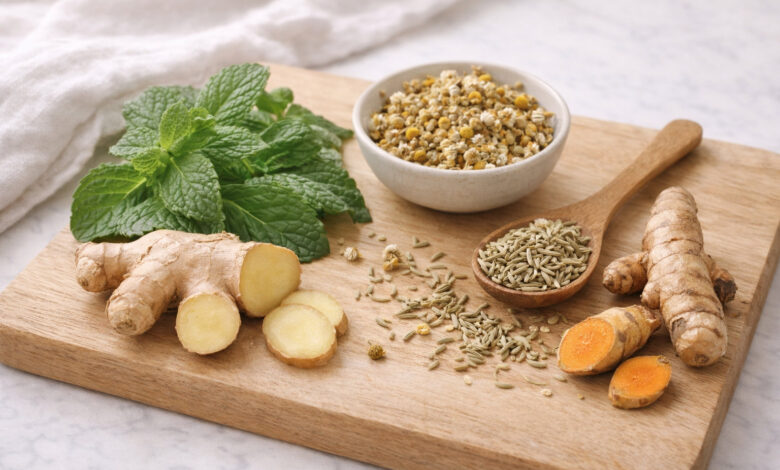
That uncomfortable tightness after meals. The pressure that makes your waistband feel two sizes too small. The embarrassing moments when your stomach decides to announce itself at the worst possible time. If bloating has become an unwelcome companion in your daily life, you are far from alone.
Bloating affects roughly 14% of adults in the United States, and many more experience it occasionally without seeking help. The good news is that nature has provided a remarkable collection of herbs for bloating that have been used for centuries across cultures to calm digestive discomfort. These botanical allies work gently with your body rather than against it, offering relief that feels as natural as it is effective.
The Short Answer
Herbs for bloating work by relaxing intestinal muscles, reducing gas production, and supporting healthy digestion. Peppermint, ginger, fennel, and chamomile are among the most effective options, each addressing bloating through different mechanisms. The key to success lies in matching the right herb to your specific symptoms and using it consistently as part of a broader digestive wellness approach.
What Actually Causes That Bloated Feeling
Before reaching for any remedy, understanding why bloating happens makes choosing the right solution much easier. Bloating occurs when excess gas accumulates in your digestive tract, or when the muscles of your intestines struggle to move things along smoothly. Sometimes both happen at once.
Common triggers include eating too quickly, swallowing air while talking during meals, consuming gas-producing foods like beans or cruciferous vegetables, and food intolerances you may not even realize you have. Stress plays a surprisingly large role too, since tension causes the digestive muscles to tighten and function less efficiently. Certain medications, hormonal changes, and imbalances in gut bacteria can also contribute to that uncomfortable swollen sensation.
The beauty of using botanical digestive support is that many herbs address multiple causes simultaneously. A single herb might relax tense muscles, reduce gas formation, and support the beneficial bacteria in your gut all at the same time.
The Herbal Relief Method
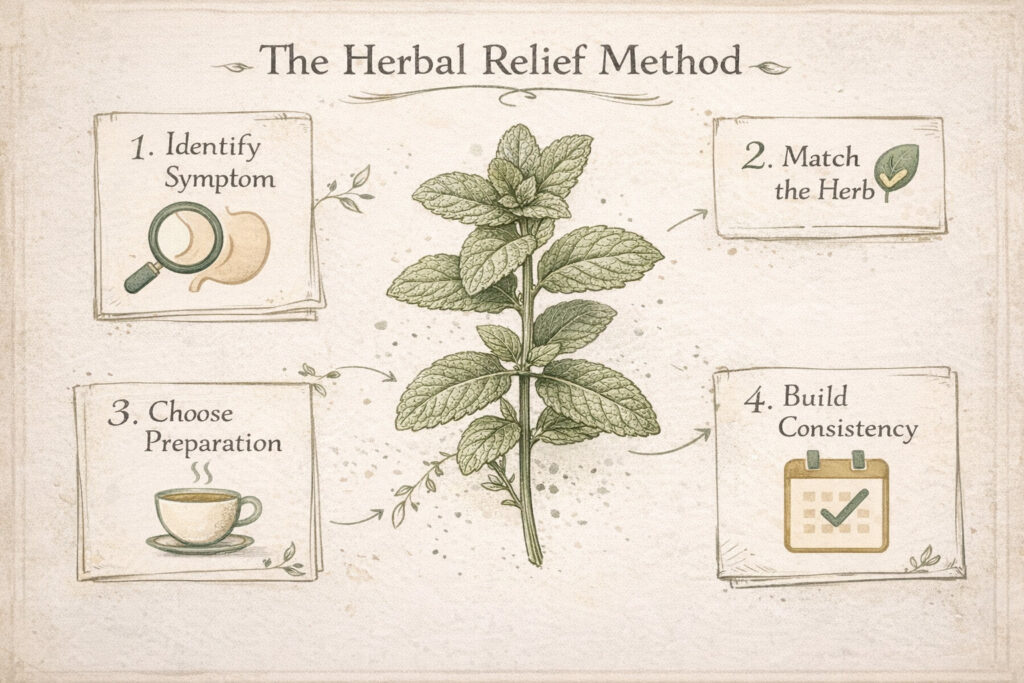
After reviewing the research and traditional uses of digestive herbs, a clear pattern emerges for getting the best results. The Herbal Relief Method provides a simple framework for choosing and using herbs effectively.
Step 1: Identify Your Primary Symptom. Bloating rarely travels alone. Notice what accompanies your discomfort. Is it sharp gas pains? A heavy, sluggish feeling? Cramping? Nausea? Your accompanying symptoms point toward which herbs will help most.
Step 2: Match the Herb to the Mechanism. Different herbs work through different pathways. Some relax smooth muscles to release trapped gas. Others stimulate digestive enzymes to break down food more efficiently. A few work by calming the nervous system, which in turn calms the gut. Matching the herb to what your body actually needs makes a significant difference in results.
Step 3: Choose Your Preparation. Herbs can be consumed as teas, tinctures, capsules, or even added directly to food. The preparation method affects how quickly and effectively the herb works. Teas offer gentle, soothing relief. Capsules deliver more concentrated doses. Fresh herbs in cooking provide ongoing support.
Step 4: Build Consistent Habits. Single doses rarely solve chronic problems. The most effective approach involves incorporating supportive herbs into your daily routine and giving them time to work. Most people notice meaningful improvement within one to three weeks of consistent use.
The Most Effective Herbs for Bloating Relief
Each of these herbs has earned its place through centuries of traditional use and, increasingly, through scientific research that validates what practitioners have long observed.
Peppermint
Peppermint stands out as perhaps the most well-researched herb for digestive discomfort. The menthol in peppermint leaves relaxes the smooth muscles lining your digestive tract, which allows trapped gas to pass and relieves the cramping that often accompanies bloating. Research has shown that peppermint oil capsules can significantly reduce abdominal pain, bloating, and other digestive symptoms, particularly in people with irritable bowel syndrome.
Peppermint also possesses antimicrobial properties that may help when bacterial overgrowth contributes to bloating. However, this same muscle-relaxing effect means peppermint can worsen symptoms for people with acid reflux, since it also relaxes the valve between the stomach and esophagus.
Best for: Gas pain, cramping, IBS-related bloating
How to use: Steep fresh or dried leaves in hot water for 10 minutes as tea, or take enteric-coated peppermint oil capsules between meals
Ginger
Ginger has been prized for digestive support across cultures for thousands of years, from traditional Chinese medicine to Ayurvedic practice to European herbalism. Modern research reveals why it works so well. Ginger contains compounds called gingerols and shogaols that stimulate digestive motility, helping food move through your system more efficiently. This acceleration of gastric emptying directly reduces that heavy, overly full feeling that often accompanies bloating.
Beyond motility, ginger also helps reduce nausea, making it particularly valuable when bloating comes with queasiness. Studies have shown ginger supplementation can significantly improve symptoms of functional dyspepsia, including excessive fullness, stomach pain, and that uncomfortable burning sensation.
Best for: Post-meal bloating, sluggish digestion, bloating with nausea
How to use: Grate fresh ginger into hot water for tea, add to stir-fries and soups, or take ginger supplements in capsule form
Fennel
Fennel seeds have been chewed after meals in Mediterranean and Indian cultures for centuries, and this tradition reflects real digestive benefits. The volatile oils in fennel, particularly anethole, relax the smooth muscles of the intestinal tract while also reducing gas formation. A recent clinical study found fennel as effective as a common pharmaceutical treatment for reducing flatulence.
Fennel also has a mild laxative effect, which can help when constipation contributes to bloating. The seeds can be chewed directly, brewed as tea, or added to cooking. Many people find the slightly sweet, licorice-like flavor pleasant and easy to incorporate into their routine.
Best for: Gas, flatulence, constipation-related bloating
How to use: Chew a small spoonful of seeds after meals, steep crushed seeds in hot water for tea, or add to roasted vegetables and fish dishes
Chamomile
Chamomile brings a calming quality to digestive support that makes it particularly valuable when stress contributes to bloating. The gentle anti-inflammatory and antispasmodic properties of chamomile flowers help soothe an irritated digestive tract and relax tense intestinal muscles. Chamomile is also a key ingredient in Iberogast, a well-studied European herbal formula shown to reduce abdominal pain and digestive discomfort.
Some research suggests chamomile may help protect against Helicobacter pylori infections, which cause stomach ulcers and can contribute to bloating. The relaxing effects extend beyond digestion, making chamomile tea an excellent choice for evening use when stress and poor sleep compound digestive issues.
Best for: Stress-related bloating, evening digestive discomfort, mild inflammation
How to use: Steep dried chamomile flowers in hot water for 5 to 10 minutes as tea, or look for high-quality chamomile extracts
Turmeric
Turmeric has gained significant attention for its anti-inflammatory properties, and these benefits extend to digestive health. The active compound curcumin helps calm inflammation in the gut lining, which can reduce sensitivity to pain and discomfort. Research has shown turmeric can help with abdominal pain and may be particularly beneficial for people with inflammatory bowel conditions.
Curcumin also stimulates bile production, which aids in fat digestion and can reduce the bloating that sometimes follows fatty meals. The challenge with turmeric is absorption. Pairing it with black pepper significantly increases how much curcumin your body can actually use, which is why traditional preparations often combine these two spices.
Best for: Inflammatory conditions, bloating after fatty meals, chronic digestive discomfort
How to use: Add turmeric with black pepper to curries and soups, drink golden milk, or take curcumin supplements with piperine
Lemon Balm
Lemon balm offers a gentler approach to digestive relief with a pleasant citrusy flavor that makes it easy to enjoy. This member of the mint family has traditionally been used for mild digestive issues including bloating and gas. Animal studies suggest lemon balm can ease intestinal spasms and support healthy bowel regularity.
Lemon balm also has notable calming effects on the nervous system, making it another excellent choice when anxiety or stress worsen digestive symptoms. The herb is frequently combined with other digestive herbs in formulas designed to address multiple aspects of gut discomfort simultaneously.
Best for: Mild bloating, stress-related digestive issues, nervous stomach
How to use: Brew fresh or dried leaves as tea, or combine with other digestive herbs like peppermint
Caraway
Caraway seeds are considered one of the most reliable herbal carminatives available. While less well-known in some regions, caraway has a long history in European herbal medicine for reducing gas and bloating. The seeds contain compounds that help improve the tone of digestive muscles, assist in gas absorption, and relieve spasms.
In German and Eastern European cooking, caraway is traditionally added to cabbage dishes and other foods known to cause gas. This culinary wisdom reflects genuine digestive benefits. The slightly peppery, anise-like flavor pairs well with bread, sauerkraut, and meat dishes.
Best for: Gas from cruciferous vegetables, general flatulence, digestive spasms
How to use: Crush seeds and add to herbal tea, incorporate into cooking, or chew a small amount after meals
Gentian Root
Gentian root takes a different approach to digestive support. Rather than directly soothing symptoms, gentian stimulates the release of digestive juices and bile that help break down food more completely. This bitter herb is often used in digestive bitters, those concentrated herbal preparations designed to be taken before or after meals.
The intensely bitter taste of gentian is actually part of how it works. Bitter receptors on the tongue trigger a cascade of digestive responses throughout the body. However, gentian is not appropriate for everyone. People with stomach ulcers should avoid it since it increases stomach acidity.
Best for: Poor digestion, inadequate stomach acid, sluggish digestive system
How to use: Take as a tincture or bitters formula before meals, or brew as tea if you can tolerate the bitter flavor
Common Myths About Herbs and Bloating
Several misconceptions about herbal digestive support lead people to give up too soon or use remedies incorrectly.
Myth: Herbal remedies work instantly. While you may notice some relief fairly quickly, especially with peppermint tea for acute discomfort, most herbs work best with consistent use over time. Expecting overnight transformation sets up disappointment. Give any herbal approach at least two to three weeks before evaluating its effectiveness.
Myth: More is always better. Concentrated herbal products and high doses do not necessarily provide better results. In fact, some herbs can cause unwanted effects at high doses. Ginger in large amounts can cause heartburn. Peppermint oil without enteric coating can irritate the stomach. Follow recommended amounts and listen to your body.
Myth: All natural means completely safe for everyone. Herbs are generally gentler than pharmaceuticals, but they are not without considerations. Peppermint can worsen reflux. Fennel may affect hormone-sensitive conditions due to its mild estrogenic properties. Gentian is problematic for ulcers. People who are pregnant, nursing, or taking medications should consult with a healthcare provider before adding herbal remedies.
Myth: One herb should fix everything. Chronic bloating often has multiple contributing factors. A single herb addresses one or two mechanisms. Many people find the best results come from combining complementary herbs or using formulas specifically designed to address bloating from multiple angles.
Myth: You can skip lifestyle changes if you use herbs. Herbs support digestive health, but they cannot fully compensate for eating habits that cause bloating. Gulping meals, drinking through straws, talking while chewing, and consuming known trigger foods will continue causing problems regardless of herbal support.
What to Realistically Expect
Setting realistic expectations helps you stay consistent long enough to see genuine results.
Days 1 to 3: Acute relief from immediate discomfort is possible, especially with peppermint or ginger tea. You may notice some reduction in gas and cramping. Overall bloating patterns unlikely to shift significantly yet.
Weeks 1 to 2: With consistent daily use, many people begin noticing meaningful improvement. Episodes may become less frequent or less intense. Post-meal discomfort often decreases. Pay attention to which herbs seem most helpful for your particular symptoms.
Weeks 3 to 4: Patterns become clearer. You should have a good sense of whether your chosen herbs are working for you. Adjustments can be made based on what you have observed. Combining herbs may enhance results.
Month 2 and Beyond: Ongoing support becomes part of your routine rather than a treatment. Many people find they can reduce frequency of use once digestive patterns improve, using herbs as needed rather than daily.
Individual responses vary considerably. Some people experience dramatic improvement within days, while others need longer to see changes. Factors like the underlying cause of bloating, overall diet quality, stress levels, and gut health history all influence results.
Who Should Be Careful
Certain groups should approach herbal digestive remedies with extra consideration.
People with acid reflux or GERD: Peppermint relaxes the lower esophageal sphincter and can worsen reflux symptoms. Ginger in large amounts can also aggravate heartburn. Chamomile and fennel are typically better choices for this group.
Pregnant or nursing women: Many herbs lack sufficient safety data for pregnancy. Peppermint in moderate tea amounts is generally considered safe, but concentrated oils and supplements warrant caution. Ginger in culinary amounts is typically fine. Always consult with a healthcare provider before starting any herbal regimen during pregnancy.
People taking medications: Some herbs interact with medications. Peppermint can affect the metabolism of certain drugs. Ginger has mild blood-thinning properties. Turmeric may interact with blood thinners and diabetes medications. If you take prescription medications, discuss herbal additions with your healthcare provider or pharmacist.
People with hormone-sensitive conditions: Fennel has mild estrogenic activity and may not be appropriate for people with conditions like endometriosis, uterine fibroids, or hormone-sensitive cancers.
People with gallbladder issues: Herbs that stimulate bile production, like turmeric and gentian, may cause problems for people with gallstones or gallbladder disease.
If symptoms persist despite consistent herbal support and lifestyle improvements, or if bloating is accompanied by unexplained weight loss, blood in stool, severe pain, or other concerning symptoms, professional evaluation is appropriate.
Choosing Quality Herbal Products
Not all herbal products deliver equal results. Quality matters significantly for effectiveness and safety.
Look for products from reputable companies that provide transparency about their sourcing and manufacturing practices. Third-party testing from organizations like ConsumerLab, NSF International, or USP indicates a product has been verified for contents and purity. Organic certification ensures herbs were grown without synthetic pesticides.
For teas, loose leaf preparations generally offer better quality than commercial tea bags, though high-quality tea bags can still be effective. For capsules and extracts, standardized products that specify the amount of active compounds provide more consistent dosing.
Avoid products with long lists of additives, fillers, or ingredients you do not recognize. The simplest formulations often work best. Store herbal products properly according to package directions, and pay attention to expiration dates since herbs lose potency over time.
Building Sustainable Digestive Habits
Herbs work best as part of a broader approach to digestive wellness.
Eat slowly and mindfully. Rushing through meals causes you to swallow air and reduces chewing, both of which contribute to bloating. Set down your utensils between bites. Avoid eating while distracted by screens.
Stay adequately hydrated. Water supports every aspect of digestion. However, drinking large amounts during meals can dilute digestive juices. Sip small amounts with food and drink more between meals.
Move your body regularly. Physical activity supports digestive motility. Even a short walk after meals can help prevent that overly full, bloated feeling.
Manage stress actively. The gut-brain connection is real and powerful. Chronic stress directly impairs digestive function. Breathing exercises, meditation, adequate sleep, and other stress-management practices support digestive health from a different angle than herbs.
Keep a simple food diary. Tracking what you eat alongside your symptoms helps identify personal triggers that herbs alone cannot address. Common culprits include dairy, gluten, certain sweeteners, and high-FODMAP foods.
Frequently Asked Questions About Herbs for Bloating
What are the best herbal remedies for digestive bloating?
Peppermint, ginger, and fennel are among the most effective and well-researched options. Peppermint relaxes intestinal muscles and reduces gas pain. Ginger promotes digestive motility and reduces post-meal discomfort. Fennel addresses gas and flatulence specifically. The best choice depends on your particular symptoms and any health considerations.
How quickly do herbal digestive remedies start working?
Acute relief from symptoms like gas pain can occur within 20 to 30 minutes of drinking peppermint or ginger tea. However, meaningful improvement in chronic bloating patterns typically requires consistent use over two to four weeks. Individual response times vary based on the underlying causes of bloating.
Can I use multiple digestive herbs at the same time?
Yes, combining complementary herbs often enhances results. Traditional formulas frequently blend several digestive herbs together. Peppermint and ginger work well together. Fennel and chamomile complement each other. Start with one herb to gauge your response before adding others.
Are herbal bloating remedies safe during pregnancy?
Some herbs are safer than others during pregnancy. Ginger in culinary amounts is generally considered safe and is often used for pregnancy-related nausea. Peppermint tea in moderate amounts is typically acceptable. However, concentrated herbal supplements and certain herbs like wormwood should be avoided. Always consult with your healthcare provider before using herbal remedies during pregnancy.
Why is my bloating not improving with herbal remedies?
Persistent bloating may have underlying causes that herbs alone cannot address. Food intolerances, small intestinal bacterial overgrowth, digestive enzyme insufficiency, and other conditions may require different interventions. If bloating continues despite consistent herbal use and lifestyle improvements, consider evaluation by a healthcare provider.
Supporting Your Digestive Wellness Journey
While individual herbs offer valuable support, comprehensive digestive formulas can address multiple aspects of gut health simultaneously. Goli Ashwagandha Gummies combine adaptogenic support with digestive benefits, helping manage the stress that often underlies chronic bloating. The gentle formula provides daily support without the intense taste of some herbal preparations, making consistent use easier to maintain.
The Bottom Line
The Herbal Relief Method provides a clear path: identify your symptoms, match them to the right herb, choose an appropriate preparation, and build consistent habits.
Start today by choosing one herb that matches your primary symptom. If gas pain and cramping dominate, try peppermint tea after your next meal. If sluggish digestion leaves you feeling heavy and full, ginger may be your best starting point. If stress clearly worsens your symptoms, chamomile offers dual benefits for both mind and gut.
Repeat your chosen approach daily for at least two weeks before evaluating results. Keep notes on what you observe. Adjust based on your body’s response. Add complementary herbs if needed.
Digestive comfort is not about perfection or never experiencing bloating again. Bodies respond to food, stress, and circumstances in natural ways. The goal is reducing the frequency and intensity of discomfort while building resilience over time. With the right herbal allies and consistent, gentle practices, that bloated feeling can become the exception rather than the rule.
References
- Healthline. 8 Herbal Teas to Help Reduce Bloating.
- Brigham and Women’s Hospital. Gas: Beat The Bloat.
- Institute for Natural Medicine. The Best Natural Remedies for Bloating.
- Doral Health & Wellness. 7 Natural Solutions to Relieve Bloating Fast and Naturally.
- The Ayurveda Experience. 5 Ayurvedic Herbs for Bloating: Heal Gut Naturally.
- Blackmores. Natural Remedies for Flatulence and Bloating.