

Most conversations about gut health skip straight to probiotics. Specific vitamins play direct and distinct roles in gut lining integrity, microbiome diversity, and digestive enzyme function, and understanding all three together reveals a clearer picture of what your gut actually needs.
If you have been experiencing bloating, irregular digestion, or a reactive gut, the answer is rarely a single supplement. It is a nutritional environment that supports all three layers simultaneously. Over 750,000 Zero Sugar 3 Pack bundles have been sold on TikTok Shop since late May 2025, and 10 billion Goli gummies have been sold worldwide since 2018. The daily routines behind those numbers are built on exactly this kind of layered thinking.
The Short Answer
Gut health vitamins work at three distinct levels. Vitamins D, A, and zinc support gut lining integrity. Vitamins B2, B3, and C support microbiome diversity and short-chain fatty acid production. A consistent probiotic plus prebiotic addresses the bacterial population layer that vitamins alone cannot replace. The most effective gut health approach combines targeted vitamins with daily probiotic support rather than treating them as alternatives to each other.
Why the Gut Needs More Than Fiber
Fiber gets most of the attention in gut health conversations, and it deserves it. Prebiotic fiber feeds beneficial bacteria, supports transit, and contributes to short-chain fatty acid production. But fiber operates at the microbiome layer. The gut lining layer and the immune layer require specific vitamins and minerals that fiber does not supply.
The gut lining is a single cell layer thick, separating the digestive tract from the bloodstream. Its integrity determines whether nutrients cross efficiently and whether pathogens stay out. Maintaining that barrier requires continuous cellular renewal, which depends on vitamin A, vitamin D, and zinc working at complementary points.
Below that barrier lives the gut microbiome, whose diversity and composition are directly influenced by the nutritional environment you create. Vitamins B2, B3, and C have documented effects on microbiome composition, selectively supporting bacterial species associated with better digestive function.
PubMed research confirms that vitamins modulate gastrointestinal health either through changing the composition and metabolic activity of the gut microbiome or by directly affecting gut barrier function and immune system response, with vitamins A, B2, B3, C, D, and E each demonstrating distinct mechanisms of action in this system (PubMed vitamins and gut microbiome research).
The Gut Nutrition Stack
The Gut Nutrition Stack organizes the evidence by layer. Each layer has different nutritional requirements and different consequences when undersupported.
The Gut Lining Layer
The gut lining is the physical foundation of digestive health. When it is intact and well-supported, it regulates what enters the bloodstream precisely. When it is compromised, larger particles and bacterial components can pass through, triggering immune responses that produce the chronic low-level inflammation associated with a long list of symptoms including bloating, food sensitivity reactions, and fatigue.
Vitamin D is the most researched nutrient for gut lining health. It regulates the expression of tight junction proteins that hold the lining cells together, and it modulates the immune cells that patrol the gut-associated lymphoid tissue. NIH ODS confirms that vitamin D receptors are present throughout the gastrointestinal tract and that adequate vitamin D status is associated with maintained gut barrier function and reduced inflammatory signaling (NIH ODS vitamin D fact sheet).
Vitamin A supports the gut lining from the epithelial cell side. The intestinal epithelium turns over completely every three to five days, and adequate vitamin A is required for the differentiation of the epithelial cells that form the barrier. Low vitamin A status slows this renewal before any obvious symptom appears.
Zinc completes the gut lining layer. It is required for the synthesis of tight junction proteins, the molecular rivets that hold epithelial cells together and prevent unwanted particles from passing between them. NIH MedlinePlus confirms that zinc plays a critical role in the normal development and function of cells throughout the body, including the intestinal lining, and that zinc deficiency is associated with impaired gut barrier integrity (NIH MedlinePlus zinc overview).
The Microbiome Layer
The gut microbiome is not a static population. It shifts continuously in response to what you eat, how you sleep, how stressed you are, and what vitamins are present in your gut environment. Several vitamins have documented effects on microbiome composition, influencing which bacterial species thrive and which decline.
Vitamin B2 and B3 are the most researched for microbiome modulation. B3 increases Bacteroidetes, a bacterial group associated with improved metabolic health. B2 reduces Enterobacteriaceae, associated with gut inflammation when excessive. Both change the redox environment in the colon to favor beneficial anaerobic bacteria.
Vitamin C supports short-chain fatty acid production by fueling beneficial bacteria fermentation. Short-chain fatty acids, particularly butyrate, are the primary fuel source for colonocytes lining the large intestine. PMC research confirms that short-chain fatty acids are essential for colonocyte energy metabolism, gut barrier maintenance, and local immune regulation, and that nutritional inputs supporting their production influence all three outcomes (PMC short-chain fatty acids research).
The Enzyme Layer
Digestive enzymes break food down into absorbable components, and their activity determines how completely you extract nutrients from what you eat. B vitamins are central to enzyme function throughout digestion: B1, B6, and B12 are cofactors for enzymes involved in carbohydrate, protein, and fat metabolism respectively. Biotin supports carboxylase enzymes that process fatty acids.
Apple cider vinegar supports the enzyme layer by maintaining the acidic gastric environment that pepsin, the primary stomach protein enzyme, requires to function. When stomach acid is suboptimal, protein digestion becomes less complete, partially digested proteins reach the small intestine, and the microbiome faces a fermentation burden it was not designed to handle.
The Most Important Gut Health Vitamins, Ranked by Evidence
The research on vitamins and gut health is not equally strong across all nutrients. Understanding the evidence hierarchy helps you prioritize.
Vitamin D has the strongest and most consistent human evidence. It is also the nutrient most commonly deficient in modern adults. Low vitamin D is associated with reduced microbiome diversity, compromised barrier function, and elevated gut inflammation. Addressing vitamin D status is the highest-leverage single change most people can make.
Zinc follows closely, with strong mechanistic evidence for gut lining integrity and documented associations between zinc deficiency and increased intestinal permeability. The B vitamin complex comes next, with particularly strong evidence for B2 and B3 on microbiome composition and B12 on gut cell energy metabolism. Vitamin A and vitamin C round out the list with solid mechanistic research and plausible human evidence, though their clinical trial base is smaller.
Mayo Clinic confirms that vitamin C supports antioxidant protection of tissues, with the gastrointestinal tract being particularly relevant given the oxidative stress environment that chronic gut inflammation creates (Mayo Clinic vitamin C overview).
What Vitamins Alone Cannot Do
Vitamins optimize the gut environment but cannot replace the bacterial population that probiotic supplementation provides. When diversity has been depleted by antibiotics, stress, or poor diet, creating favorable conditions is not enough. The bacteria that should be thriving are simply not there. DE111, a clinically studied spore-forming strain, addresses a dimension of gut health that vitamins cannot reach.
Cleveland Clinic confirms that probiotics support gut health by adding beneficial bacteria directly to the microbiome, and that the evidence for specific well-studied probiotic strains in improving digestive symptoms and supporting immune function is consistently stronger than for broad dietary interventions alone (Cleveland Clinic probiotics overview).
The practical conclusion is that vitamins and probiotic supplementation are complementary, not alternatives. Vitamins optimize the gut environment. Probiotics populate it. Both layers need support simultaneously for the system to function optimally.
How Deficiencies Show Up in Daily Life
Gut health vitamin deficiencies rarely announce themselves clearly. Instead they appear as vague symptoms most people chalk up to stress or aging.
Vitamin D deficiency in the gut context shows up as increased reactivity to foods that previously caused no issue and more unpredictable bloating. Because vitamin D regulates gut immune tolerance, low levels produce a gut that is more easily triggered rather than one that handles different foods without drama.
Zinc deficiency produces increased intestinal permeability. The symptoms are diffuse: mild bloating after most meals, a sense that food does not sit right. These are rarely dramatic enough to prompt investigation, which is why zinc deficiency is so often unaddressed.
B vitamin deficiencies affect gut cell energy metabolism directly. Colonocytes have among the highest energy demands of any cell in the body. When B vitamins are insufficient, transit slows and gas production increases.
WebMD confirms that identifying specific nutritional gaps is more effective than a generic supplementation approach for digestive health (WebMD digestive health supplements).
How to Build the Gut Nutrition Stack Daily
The most effective daily routine addresses all three layers with consistent inputs rather than rotating supplements based on symptoms.
For the gut lining layer, a vitamin D supplement appropriate to your status, adequate vitamin A from animal sources or beta-carotene from vegetables, and zinc from foods like pumpkin seeds, meat, and legumes creates the baseline the lining needs.
For the microbiome layer, a daily spore-forming probiotic combined with a prebiotic that selectively feeds beneficial bacteria provides what vitamins alone cannot. Prebiotic fiber plus a stable probiotic strain produces more durable microbiome shifts than either alone.
For the enzyme layer, apple cider vinegar before or with meals supports the gastric acid environment that activates pepsin. This is the least discussed layer but one of the most practically relevant for people who experience post-meal bloating regardless of what they eat.
Who Needs Gut Health Vitamins Most
Several groups have elevated gut health vitamin needs that standard dietary advice does not fully address.
Adults over 40 face compounding factors: skin-synthesized vitamin D declines, stomach acid decreases impairing zinc and B12 absorption, and gut lining renewal slows. All three affect vitamin status simultaneously, which is why digestive symptoms often worsen in middle age without any obvious dietary change.
People who have taken antibiotics recently have a disrupted microbiome less efficient at absorbing nutrients, making this a window where vitamin supplementation is particularly important.
Heavy exercisers deplete zinc through sweat at rates dietary intake rarely replaces. Anyone on an extended restricted diet is at elevated risk for multiple simultaneous deficiencies.
Myths Worth Addressing
“If I eat a balanced diet I do not need these vitamins.” Gut health vitamin status depends on absorption efficiency, not just dietary intake. A compromised gut lining absorbs less vitamin D, zinc, and B12 from food precisely because the lining is the mechanism of absorption. This reinforcing cycle often requires supplementation to break rather than dietary improvement alone.
“Probiotics make vitamins unnecessary.” Probiotics and vitamins address different layers. Probiotics add and support the bacterial population. Vitamins maintain the physical lining, regulate immune function at the gut barrier, and support the enzymatic environment. Neither layer can substitute for the other.
“More vitamins is better for gut health.” The research on vitamins and gut health identifies specific dose ranges where benefits appear. Very high doses of certain vitamins, particularly fat-soluble ones like vitamin A and D, can cause harm. The goal is adequacy across the Gut Nutrition Stack, not high doses of any single nutrient.
“Vitamins for gut health work immediately.” The gut lining renews over three to five days, the microbiome shifts measurably over three to four weeks, and vitamin status improvements in tissue take longer still. The timeline for gut health vitamin supplementation is weeks to months of consistent daily intake, not days.
Frequently Asked Questions: Gut Health Vitamins
What vitamins are good for gut health?
Vitamin D, zinc, vitamins B2, B3, and C, and vitamin A have the strongest evidence. Each operates at a different layer: vitamin D and zinc support gut lining integrity, B vitamins support microbiome composition and enzyme activity, vitamin C supports short-chain fatty acid production, and vitamin A supports epithelial cell renewal.
What is the best vitamin for gut health?
Vitamin D has the strongest and most consistent human clinical evidence across all three gut layers. It regulates gut barrier function, modulates the gut immune environment, and is associated with greater microbiome diversity. It is also the most commonly deficient vitamin in modern adults. Zinc is the second most impactful for gut lining integrity.
Does vitamin D help with gut health?
Yes. Vitamin D receptors are present throughout the gastrointestinal tract. Adequate vitamin D is directly associated with maintained gut barrier integrity, reduced intestinal inflammation, and greater microbiome diversity. Low vitamin D is associated with increased gut reactivity and conditions including irritable bowel syndrome and inflammatory bowel disease. Correcting a deficiency is one of the most impactful steps a person with chronic gut symptoms can take.
What vitamins help repair the gut lining?
Vitamin D regulates tight junction proteins. Vitamin A supports the production and renewal of epithelial cells. Zinc is required for the structural proteins that maintain lining integrity. All three address the gut lining from different angles simultaneously and produce more complete repair than addressing any single nutrient in isolation.
What deficiencies cause poor gut health?
Vitamin D and zinc deficiencies compromise the gut lining. B12 deficiency affects gut cell energy metabolism. B2 deficiency alters microbiome composition toward inflammatory species. Vitamin A deficiency slows epithelial cell renewal. Any single deficiency can produce noticeable gut symptoms. Multiple simultaneous deficiencies produce a reactive, inefficient gut environment that dietary change alone cannot easily resolve.
Should I take gut health vitamins every day?
Yes. The gut lining renews over days, the microbiome shifts over weeks, and vitamin status in tissues requires consistent daily input to maintain. Daily supplementation maintains the nutritional environment all three gut layers require. Inconsistent supplementation produces inconsistent results because the system responds to sustained inputs, not occasional high doses.
How Goli Addresses All Three Layers
After 190 days on TikTok Live walking through gut health questions with thousands of people, the pattern I see in people who report the biggest improvements is consistent: they address all three layers at once.
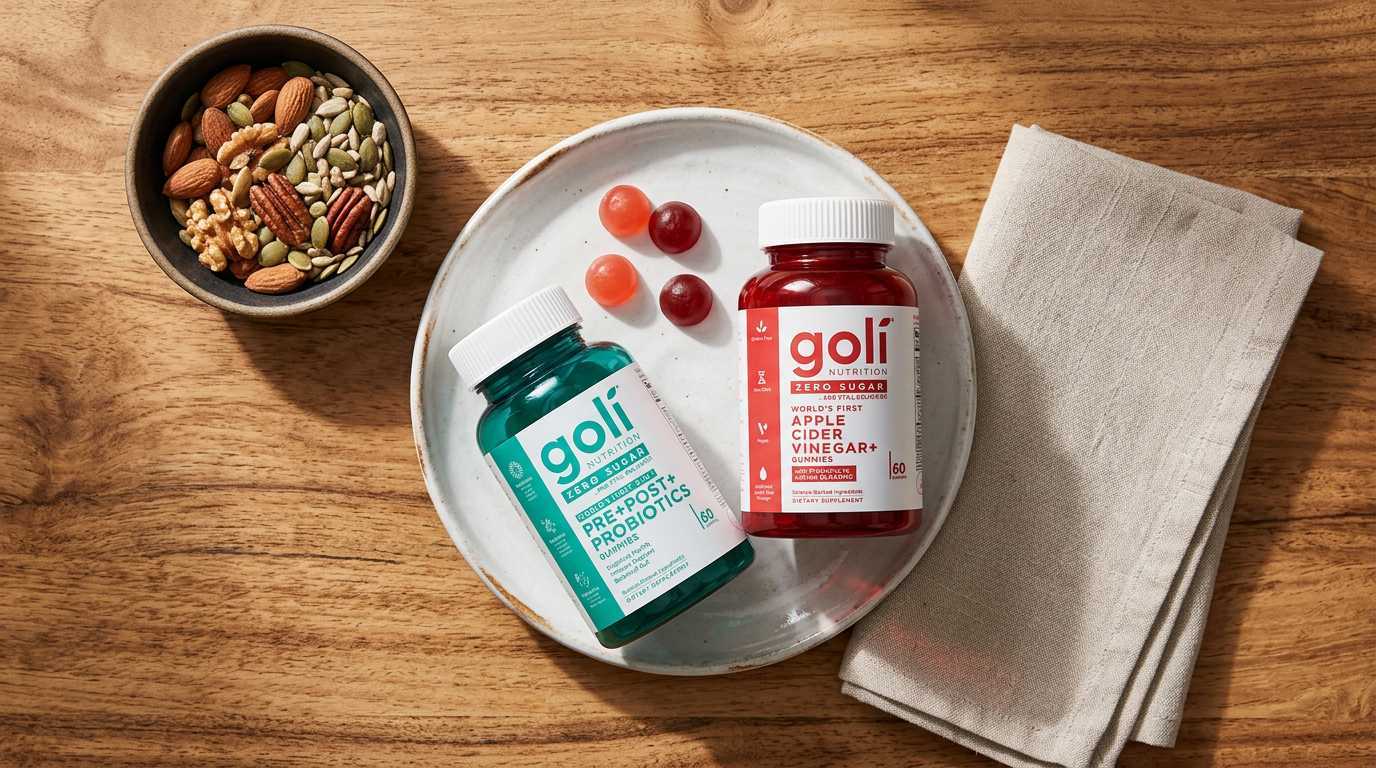
The Goli Pre+Post+Probiotics address the microbiome layer. DE111 survives stomach acid and germinates in the small intestine. XOS prebiotic fiber fuels beneficial bacteria. MCC1849 postbiotic supports immune function at the gut-associated lymphoid tissue. The three-component formula addresses bacterial population, food supply, and immune layer simultaneously.
The Goli ACV gummies address the enzyme layer by supporting the gastric acid environment that pepsin requires to activate. This ensures that the vitamins and nutrients you consume are actually broken down and absorbed rather than arriving at the colon partially undigested.
Together, the Goli Zero Sugar 3 Pack addresses the enzyme and microbiome layers every day. Pair that with vitamin D, zinc, and B vitamins for the gut lining layer, and the routine covers all three angles simultaneously.
All six certifications confirm the formulation standard: Gluten-Free, Non-GMO, Vegan, Gelatin-Free, Physician-Owned, and Science-Backed. Over 750,000 Zero Sugar 3 Pack bundles have been sold on TikTok Shop since late May 2025, and 10 billion Goli gummies sold worldwide since 2018 reflect a daily routine that works.
Exclusive TikTok pricing below
You May Also Like
If you want to go deeper on the probiotic layer, particularly on why the three-component approach to probiotic supplementation is mechanically more complete than a standard single-strain product, the research behind DE111, XOS, and MCC1849 is worth understanding in detail.
For readers building out the microbiome layer specifically, the 3-Layer Gut System guide covers how each of the three components addresses a distinct mechanism and why the combination produces more durable results than any single ingredient.
The Bottom Line
The Gut Nutrition Stack reflects how the gut actually works: three layers, each requiring distinct nutritional support, each contributing to the digestive environment that determines how you feel after every meal.
Prioritize vitamin D and zinc for the gut lining this week. Add a B vitamin complex for the microbiome and enzyme layers. Anchor the Goli Pre+Post+Probiotics and ACV gummies to your morning routine for the bacterial and enzymatic layers that vitamins cannot replace.
Over 750,000 Zero Sugar 3 Pack bundles have been sold on TikTok Shop since late May 2025. The daily routines behind that number are built on layered gut health thinking, not a single-ingredient approach. Your gut responds to consistent, complete support across all three layers every day.
References
- PubMed: Vitamins, the gut microbiome and gastrointestinal health in humans
- NIH Office of Dietary Supplements: Vitamin D health professional fact sheet
- Cleveland Clinic: Probiotics overview and benefits
- NIH MedlinePlus: Zinc overview and health effects
- Mayo Clinic: Vitamin C overview, uses and safety
- WebMD: Digestive health supplements slideshow
- PMC: Short-chain fatty acids and their role in gut health