
On the label of most prebiotics and probiotics supplements, two grams of fibre is either a serious dose or a rounding error, and which one depends entirely on the fibre. That is the whole thing, and almost nothing sold in this category explains it.
Here is why it matters. Inulin and FOS, the two prebiotics you will see most often, need roughly three to ten grams a day before they do much of anything. Xylooligosaccharides and galactooligosaccharides work at a fraction of that, with measurable effects on beneficial bacteria from as little as one to three grams. So a label reading ‘2 g prebiotic blend’ tells you nothing on its own. Two grams of inulin is a token gesture. Two grams of XOS is inside the range trials actually used.
Prebiotics and probiotics supplements are the fastest-growing corner of the gut aisle, and the Zero Sugar 3 Pack has moved 750,000 bundles through TikTok Shop, so this question reaches me constantly. It has a specific answer and it starts on the ingredient panel.
The Short Answer
Prebiotics and probiotics supplements combine live bacteria with fibre meant to feed them. Whether the fibre amount is meaningful depends on which fibre it is: inulin and FOS need three to ten grams daily, while XOS and GOS show effects at roughly one to three grams. Check the fibre type before judging the number beside it.
The Principle Behind Every Prebiotics and Probiotics Supplements Label

One idea explains most of the confusion in this category, and once you have it the shelf becomes readable.
Cleveland Clinic describes prebiotics as the food that beneficial gut bacteria live on, and the mechanism is specific: the fibre reaches your colon undigested and is fermented selectively by those organisms. How much you need depends on how efficiently a given fibre does that.
Inulin is the most studied prebiotic and also one of the bulkiest. Reviews of its clinical record put the clearer bifidogenic effects at daily doses between seven and fifteen grams, which is a lot of fibre to swallow. A randomized dose-response research on FOS tested 2.5, 5 and 10 grams daily in eighty participants and found the higher doses drove the clearer shifts in Bifidobacterium and Lactobacillus.
Other fibres are far more efficient by weight. A randomised double-blind trial in eighty-eight healthy women gave galactooligosaccharides at 1.3 and 2.0 grams daily over six weeks and measured changes in the gut microbiota at both doses. That is a fraction of what an inulin trial would use, in people rather than in a laboratory model.
So the number on the label is meaningless in isolation. Paired with the fibre name it becomes the most informative thing on the package.
Three Words, Three Different Things
Worth separating them, because products use all three, and they are not variations on a theme.
Probiotic. Live microorganisms that, when consumed in adequate amounts, confer a health benefit on the host. The effects are strain-specific rather than general, which is why the designation after the species name matters.
Prebiotic. A substrate selectively used by host microorganisms to confer a benefit. The word doing the work is selectively, a distinction ISAPP puts at the center of its consumer guidance: all prebiotics are fibre, but not all fibre is prebiotic, because ordinary fibre adds bulk without preferentially feeding anything.
Postbiotic. Beneficial compounds produced when bacteria ferment, or inactivated organisms and their fragments. These do not need to survive the journey because they are not alive, which is a genuine practical advantage.
A product combining a probiotic with a prebiotic is called a synbiotic, and the term implies something specific: the fibre should feed the strains in the same product rather than just sharing a label with them.
Where the Synbiotic Claim Goes Vague
The synbiotic claim carries an obligation that most labels quietly skip.
For the pairing to mean anything, the organisms included should actually ferment the fibre included. FOS alongside Bifidobacterium has a logical basis, since those bacteria readily use it. FOS alongside a strain that cannot metabolize it is two ingredients sharing a bottle.
Nothing on most labels tells you whether that match was considered. Where a product names both the strain and the fibre, you can at least look it up. Where it says ‘probiotic blend’ and ‘prebiotic fibre’ with no further detail, the pairing question cannot be answered at all, which is itself informative.
Reading the Panel in Three Moves
Three checks, in this order, because each narrows what the next one has to consider.
Step One: Find the Fibre Name
Look for inulin, chicory root, FOS, GOS, XOS or resistant starch. If the panel says only ‘prebiotic blend’ with no components named, you cannot judge the dose against any published research, and that is the end of the assessment.
Step Two: Read the Grams Against That Name
Inulin or FOS under three grams is unlikely to do much. XOS or GOS at one to three grams sits inside the studied range. The same number means different things depending on which line above it you are reading.
Step Three: Check the Strain Has a Designation
A code after the species name, like DE111 or GG, points to an organism with its own research. Genus and species alone names a group rather than a studied strain, and the trials quoted in marketing belong to individual strains.
Format Decides Which Fibre Is Even Possible
Gummies and capsules cannot carry a large fibre dose, and that constraint explains more of this category than any marketing decision.
Seven grams of inulin will not fit in a gummy without dominating it; two grams of XOS will. So format effectively selects which prebiotics a product can use, and a gummy claiming a meaningful inulin dose is making a claim its own physics contradicts.
That is not an argument against gummies. It is an argument for checking which fibre a gummy chose, because the ones that picked an efficient fibre are working within the constraint rather than pretending it does not exist.
What People Get Wrong About These Products
A few beliefs cost people money here, and they share a root: treating the prebiotic as a bonus ingredient rather than a dosed one.
The most common is assuming any prebiotic content is better than none, when a token half gram of inulin does nothing measurable and mainly exists to justify the word on the front.
Related is the idea that more prebiotic is always better, which stops being true quickly, since inulin and FOS at high doses are exactly why prebiotics have a reputation for gas and bloating, and the efficient fibres avoid that partly by needing less.
People also assume a synbiotic must be better than a probiotic alone, when that only holds if the fibre feeds the strains present, and most labels do not tell you.
And there is a quieter mistake underneath all of these: reading the CFU count carefully while skipping the fibre line entirely, when in a product sold on the pairing, the fibre line is half of what you are buying.
Realistic Timescales for Both Halves
Timescales here are slower than the packaging implies, and knowing that prevents most premature quitting.
Prebiotic effects on bacterial populations show up in studies over weeks rather than days, and the changes are compositional rather than symptomatic at first. Digestive comfort, if it improves, tends to follow the population shift rather than lead it.
Expect some gas in the first fortnight, particularly with the bulkier fibres, and expect it to settle. That early discomfort is the fermentation you paid for arriving before the benefit does, which our piece on do probiotics make you gassy works through in detail.
Why the Category Is Priced So Strangely
Two products with near-identical claims can differ fourfold in price, and the reason is usually visible on the panel once you know where to look.
The expensive input in these products is rarely the bacteria. Freeze-dried organisms are cheap at the doses most products use, and a large CFU number costs less to print than most people assume. The expensive inputs are a licensed strain with its own research behind it, and an efficient prebiotic fibre.
So a cheap product tends to arrive at that price by using unnamed genus-and-species organisms and a token amount of the bulkiest available fibre. Nothing about that is fraudulent. It is a product built to a price, and the panel says so plainly to anyone reading it.
The version worth paying more for is the one that names a strain you can look up and a fibre you can check the dose against. Whether that premium is worth it depends on whether you were going to do the checking, which is the honest answer to a question this category usually dodges.
Who Should Be Careful
Most healthy adults tolerate these well, and a few groups should check first.
Anyone with IBS often reacts poorly to inulin and FOS specifically, since both are high-FODMAP and can worsen symptoms. Anyone immunocompromised, seriously unwell, or recovering from surgery should speak to a doctor before taking live organisms at all. Pregnancy and breastfeeding warrant the same conversation.
And because supplements are not assessed for effectiveness before sale, the panel reading above is the only screening these products receive.
Prebiotics and Probiotics Supplements: Your Questions Answered
Should you take prebiotics and probiotics together?
There is a reasonable logic to it, provided the fibre actually feeds the organisms included. That combination is called a synbiotic, and the term implies the pairing was designed rather than assembled. Where a product names both the strain and the fibre you can check whether the match makes sense. Where it names neither, the claim cannot be evaluated, which is a reason to look at a different product rather than assume the best.
How much prebiotic fibre do you actually need?
It depends entirely on which fibre. Inulin and FOS generally need three to ten grams daily to shift bacterial populations measurably, with the clearest effects at the higher end. XOS and GOS work at considerably less, with a human trial finding microbiota changes from GOS at 1.3 grams daily. Reading a gram figure without knowing which fibre it refers to tells you nothing useful.
Are prebiotic and probiotic gummies worth it?
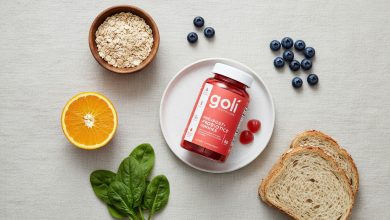
They can be, and the deciding factor is which fibre the formulator chose. A gummy physically cannot carry seven grams of inulin, so a gummy claiming a meaningful inulin dose is overstating. A gummy using an efficient fibre like XOS at one to two grams is working within the format rather than against it. Goli Pre+Post+Probiotics Gummies take that approach, pairing a spore-forming strain with XOS.
Do prebiotics cause gas and bloating?
Often in the first weeks, and the bulkier fibres cause more of it. Inulin and FOS have a particular reputation for this because the doses they require are large and ferment rapidly. Efficient fibres produce less because less is needed. In most people the gas settles within one to two weeks as the bacterial population adjusts, and reducing the dose temporarily is usually better than stopping.
What is the difference between prebiotics, probiotics and postbiotics?
Probiotics are live organisms. Prebiotics are the fibre those organisms feed on, selectively rather than generally. Postbiotics are the beneficial compounds produced by fermentation, or inactivated organisms and their fragments, and they have the practical advantage of not needing to survive the trip since they are not alive. A product containing all three is covering different stages of the same process rather than tripling up on one.
Can you get enough prebiotics from food?
In principle yes, since onions, garlic, chicory, bananas, oats and legumes all supply prebiotic fibre. In practice reaching a studied dose consistently from food alone is difficult, which is much of why the supplement category exists. That said, increasing dietary fibre generally is the cheaper and better-evidenced move, and a supplement makes most sense alongside that rather than instead of it.
Pairing a Strain With a Fibre That Fits the Format
If format decides which fibre a product can carry, then the useful question is whether a given product chose one that works at the amount it can actually hold.
Goli Pre+Post+Probiotics Gummies picked XOS for that reason, which is the efficient end of the prebiotic range rather than the bulky end. The strain is Bacillus subtilis DE111, named on the label, and a trial funded by the company that owns it recruited ileostomy participants so germination could be observed in the small bowel directly. A postbiotic sits alongside both. What I will not tell you is the exact gram figure for the XOS, because Goli does not publish it, and you should weigh that the same way you would for any product.
A viewer asked during a Live whether she needed a separate prebiotic alongside her probiotic, and the answer was to check whether the one she owned already contained one.
The three pack Goli Pre+Post+Probiotics Gummy belongs to has 750,000 bundles behind it, and the panel has been readable on every one of them. Check the fibre line first.
You May Also Like
Supplement categories reward the same reading habit wherever you apply it. Our article on brain fog supplements works through a shelf where the first useful step is finding out whether you need anything from it at all, which is the same discipline applied to a different aisle.
The Bottom Line
So, prebiotics and probiotics supplements are worth buying when the label lets you check two things – which fibre, and how much of it. Those two together tell you whether the prebiotic half is real or decorative.
Today, pick up whatever you are considering and find the fibre name. If there is not one, put it down. If there is, read the grams beside it against the range for that specific fibre. Then give it weeks rather than days, and expect the first fortnight to be the worst of it.
Goli has sold 750,000 of those three packs off a label that names its strain and its fibre outright, and in this category that plainness is most of what you are shopping for.
References
- Prebiotics: What They Are and What They Do. Cleveland Clinic.
- Tandon D, Haque MM, Gote M, et al. A Prospective Randomized, Double-Blind, Placebo-Controlled, Dose-Response Relationship Study to Investigate Efficacy of Fructo-Oligosaccharides on Human Gut Microflora. Scientific Reports (2019);9:5473.
- Looijesteijn E, Schoemaker MH, van den Belt M, Hester ER, Kortman GAM, Viskaal-van Dongen M, Nauta A. A double-blind intervention trial in healthy women demonstrates the beneficial impact on Bifidobacterium with low dosages of prebiotic galacto-oligosaccharides. Frontiers in Nutrition (2024);11:1440319, doi 10.3389/fnut.2024.1440319.
- Prebiotics and Probiotics: Understanding the Difference. International Scientific Association for Probiotics and Prebiotics.
- Inulin as a Multifunctional Prebiotic: From Gut Modulation to Systemic Health Benefits. Food Quality and Safety, Oxford Academic (2026).
- Colom J, Freitas D, Simon A, et al. Presence and Germination of the Probiotic Bacillus subtilis DE111 in the Human Small Intestinal Tract. Frontiers in Microbiology (2021);12:715863. Funded by the strain’s owner.
- FDA 101: Dietary Supplements. U.S. Food and Drug Administration.