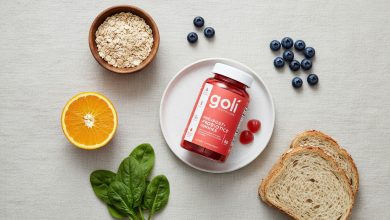

When Goli rolled out a zero sugar version of its gummies, plenty of people wondered if it was just a marketing label. After all, a couple of grams of sugar in a single gummy hardly sounds like a problem worth solving.
The catch is that supplements are not a once-in-a-while treat. You take them every day, often several at a time, which changes the math entirely. That daily repetition is the real reason behind the switch.
This guide explains why Goli zero sugar makes sense, what actually changed, the honest tradeoffs of the sweeteners used, and who benefits most from choosing it.
The Short Answer
Why Goli zero sugar matters comes down to daily habit. A gummy’s sugar looks trivial once, but taken every day across several gummies it adds up over weeks and months. The zero sugar line removes that added sugar while keeping the same active ingredients, so you get the same support without the cumulative sugar load. It is a sensible swap, not a magic upgrade.
Why Sugar in a Daily Supplement Matters
A wellness habit is supposed to support your health, so it is a little ironic when it quietly works against it. That is the tension a sugary daily gummy creates.
Added sugar is not just empty calories, though it is that too. Research links higher added sugar intake to greater risk of obesity, high blood pressure, and heart disease, which is why a public health analysis notes that dietary guidelines advise keeping added sugars under ten percent of daily calories. Most people already sit above that line, so every extra source counts.
The point is not that one gummy is dangerous. It is that a daily supplement is a recurring source you might not even count, sitting on top of everything else in your diet. Removing it closes a small leak you were paying for without noticing, which is exactly the kind of quiet win a daily habit should give you rather than cost you.
There is a psychological side to this too. When a product you reach for in the name of health quietly carries sugar, it muddies the very habit you are trying to build. Taking the sugar out of the equation lets the daily ritual feel as clean as the intention behind it, with nothing to mentally subtract.
The Daily Sugar Math

Here is the single idea that makes the whole thing click – the case for zero sugar is not about any single gummy, it is about the daily total multiplied over time.
Picture a few grams of sugar per serving. On its own, forgettable. Now take it every day for a year. Those small amounts stack into a meaningful total, and because the American Heart Association suggests keeping added sugar under 25 grams a day for women and 36 for men, a daily supplement habit can quietly claim a slice of that budget you would rather spend elsewhere, like on dessert you actually enjoy.
That is the daily sugar math in a sentence. The per-gummy number is too small to worry about, but the per-year number is not. Zero sugar is simply the choice to stop that total from accumulating, which is why it matters far more for something you take every single day than for an occasional treat. The same logic is why nutritionists pay so much attention to daily habits rather than one-off indulgences. A single dessert rarely moves the needle, but a small daily addition, repeated without thought, is exactly the kind of thing that shapes your intake over a year. A supplement is the definition of a small daily addition, so it is a natural place to apply that thinking.
Why Goli Made a Zero Sugar Line
The move follows the same logic a thoughtful customer would reach on their own. People taking gummies daily, often to support healthier habits, did not want a hidden sugar cost baked into the routine.
So, the reformulation removed the added sugar while keeping the active ingredients that the products are actually bought for. The apple cider vinegar, the ashwagandha, and the pre, pro, and postbiotics all remain. What changed is the sweetening, not the substance. In practice that means you can keep the daily habit without the daily sugar, which is the whole point of a supplement you take for your health.
It also reflects where dietary advice has been heading for years, steadily nudging people to cut added sugar wherever it hides. A daily gummy is exactly the kind of place it hides.
What You Keep, and What You Lose
It helps to be clear-eyed about the actual trade, because zero sugar is a real benefit but not a transformation.
What you keep is the active ingredients and their modest, supportive effects. The ACV still offers gentle digestive support at the same dose, though it remains a light effect rather than a clinical one, since its benefits are dose-dependent. The ashwagandha still uses the studied KSM-66 extract, which a randomized controlled trial found lowered cortisol and stress, and a review of the research links to calmer sleep. Nothing about the support changes.
What you lose is the added sugar, and what replaces it is sugar substitutes that keep the gummies palatable. Most people tolerate these well, though a few notice mild digestive effects from certain sweeteners. It is an honest tradeoff rather than a free lunch, and zero sugar does not mean zero calories or a more powerful product. It means the same gummy, minus the sugar. If you happen to dislike the taste of a particular sweetener, that is a perfectly reasonable reason to choose one version over the other, and it may be worth trying a single bottle before committing to a bundle. For most people, however, the flavors are similar enough that the reduced sugar content makes the Zero Sugar version the more practical default choice.
Who Should Choose Zero Sugar
This choice matters more for some people than others, and it is worth knowing which group you are in.
It is an easy yes if you take supplements daily, watch your sugar intake, manage blood sugar, or simply want to keep added sugar low without giving up the habit. For anyone tracking sugar for health reasons, removing a recurring daily source is a clear and sensible win. It also suits people who care about dental health, since frequent sugar exposure is a factor there too. Parents who take gummies alongside their kids sometimes prefer the zero sugar option for the example it sets, keeping the daily routine consistent without modeling a sugary habit. These are small considerations, but they are the kind that add up when a product is part of your everyday life.
It matters less if you only take a gummy occasionally, where a few grams of sugar now and then is genuinely trivial. In that case, either version is fine, and the decision comes down to taste preference. One safety note that sits apart from sugar: if you are pregnant or breastfeeding, the ashwagandha in the lineup is not recommended during pregnancy, so check with your doctor before choosing any product that includes it.
As Cleveland Clinic notes more broadly, supplements work best as a consistent daily habit, and consistency is exactly where the zero sugar version pays off most.
Common Myths About Zero Sugar Goli
A few misconceptions cloud this topic.
The first is that zero sugar means weight loss; it does not. Removing a few grams of daily sugar is a sensible choice, but it is not a fat-loss strategy on its own, and any effect is small and indirect.
The second is that zero sugar means zero calories or zero effort; it does not. The label refers to added sugar, not total calories, and the gummies still need to be taken consistently to do anything.
The third is that the sweeteners are inherently dangerous. For most people, the substitutes used in these products are considered acceptable in normal amounts, though a few individuals are more sensitive to them.
The fourth is that removing sugar makes the gummies less effective. It does not, since the active ingredients and their doses are unchanged.
What to Realistically Expect
Set your expectations honestly. Choosing zero sugar will not produce a dramatic health change you can feel, because its benefit is preventive and cumulative rather than something that announces itself.
What you are really doing is closing a small, recurring sugar source so it does not add up over months of daily use. That is a quiet, sensible improvement, not a noticeable event. The active ingredients will do whatever they were always going to do, on the same gradual timeline of weeks, and the zero sugar formulation simply means you are not paying a sugar tax to get there. Judge the swap on that basis, as a clean upgrade to a daily habit, and you will have the right frame.
If you were hoping the zero sugar label alone would change how you look or feel, you will likely be disappointed, because that is not what it is for. But if you simply want your daily routine to stop carrying a sugar cost you never needed, it delivers exactly that, reliably and without fuss.
Why Goli Zero Sugar: Your Questions Answered
Why did Goli make a zero sugar version?
Because the original gummies carried a few grams of added sugar each, and people taking them daily did not want that recurring sugar cost in a product meant to support their health. The reformulation removed the added sugar while keeping the same active ingredients and doses. For a supplement designed to be taken every day, cutting the daily sugar load made practical sense without changing what the gummies actually do.
Is zero sugar Goli actually healthier?
For daily users, removing added sugar is a sensible improvement, since added sugar is linked to higher risk of several chronic conditions and most people already exceed recommended limits. It is not a dramatic health upgrade, and the gummies are not medicine, but cutting a recurring daily sugar source is a clear small win. The benefit is preventive and cumulative rather than something you will feel directly.
Are the sweeteners in zero sugar Goli safe?
The sugar substitutes used in zero sugar gummies are generally considered acceptable in normal daily amounts. Most people tolerate them without issue, though some individuals are more sensitive and may notice mild digestive effects. If you have a specific sensitivity to certain sweeteners, it is worth checking the ingredient list. As with any supplement, anyone with a health condition can run it past a healthcare provider first.
Do zero sugar Goli gummies still work the same?
Yes; the reformulation removed the added sugar but kept the active ingredients, such as the apple cider vinegar, KSM-66 ashwagandha, and the pre, pro, and postbiotics, at the same doses. Only the sweetening changed, not the substance, so the supportive effects are the same. You are getting the identical gummy benefits without the daily sugar that came with the originals.
Is zero sugar Goli good for people watching blood sugar?
It is a more suitable choice than a sugar-sweetened gummy for people mindful of their sugar intake, since it removes the added sugar from a daily habit. That said, it is a supplement, not a treatment, and anyone managing a condition like diabetes should still treat it as part of an overall plan and check with their doctor. The point is simply that it avoids adding daily sugar you are trying to limit.
A Cleaner Daily Habit
If the daily sugar math makes sense to you, the practical step is choosing the version that keeps the support and drops the sugar.
That is what the zero sugar line is built for. The Goli ACV Gummies, Goli Ashwagandha Gummies, and Goli Pre+Post+Probiotics Gummies all come in the zero sugar formulation, so you can keep whichever daily habit you want without the added sugar that used to come with it. The honest pitch is simple – same supportive ingredients, same doses, minus the daily sugar load, which is exactly what you want from something you take every day.
I switched to the zero sugar versions myself, and across more than 200 days of TikTok Live the question I hear most is whether it is worth bothering with. My honest answer is that for a daily habit it absolutely is, because the small sugar savings compound, and you give up nothing in return. One viewer told me the zero sugar swap was the thing that finally made a daily gummy feel like a genuinely healthy choice. If that resonates, you can grab the current reader discount.
You May Also Like
If you want the full breakdown of the bundle itself, you might also like our honest guide to the Goli Zero Sugar 3-Pack and what each gummy does.
The Bottom Line
So, why Goli zero sugar? Because the sugar in a daily gummy is small once and meaningful over a year, and the zero sugar line removes that cumulative load while keeping the same active ingredients. It is a clean upgrade to a habit you repeat every day, not a miracle.
Today, decide how often you actually take your gummies. If it is daily, the zero sugar version is the obvious pick, since it closes a recurring sugar source for no real downside. If it is only occasional, either works and taste can decide.
In the end, this is simply the smarter default for an everyday habit. More than 750,000 Zero Sugar 3-Pack bundles have been sold since launch – a sign of how many people preferred to keep the support and drop the sugar. Do the daily math, and the choice tends to make itself.
References
- High Added Sugars Intake among US Adults: Characteristics, Eating Occasions, and Top Sources. PMC, National Institutes of Health (2023).
- Added Sugars. American Heart Association.
- Hadi A, Pourmasoumi M, Najafgholizadeh A, et al. The Effect of Apple Cider Vinegar on Lipid Profiles and Glycemic Parameters: A Systematic Review and Meta-Analysis of Randomized Clinical Trials. BMC Complementary Medicine and Therapies, Springer (2021).
- Apple Cider Vinegar on Glycemic Control and Insulin Sensitivity: A GRADE-Assessed Systematic Review and Dose-Response Meta-Analysis. Frontiers in Nutrition (2025).
- Lopresti AL, Smith SJ, Malvi H, Kodgule R. An Investigation Into the Stress-Relieving and Pharmacological Actions of an Ashwagandha Extract: A Randomized, Double-Blind, Placebo-Controlled Study. Medicine, Wolters Kluwer (2019).
- Mikulska P, Malinowska M, Ignacyk M, et al. Ashwagandha (Withania somnifera): Current Research on the Health-Promoting Activities, a Narrative Review. Pharmaceutics, MDPI (2023).
- What Is Ashwagandha? Cleveland Clinic.