

Juice cleanses promise to reset your digestive system and improve gut health through concentrated nutrients. Research on juice cleanses for gut health shows contradictory results.
Some studies demonstrate harm to your gut microbiome, while others show real benefits. The difference comes down to three factors you control.
The Short Answer
A juice cleanse for gut health can support your digestive system when approached correctly, but it can also disrupt your microbiome when done poorly. The outcome depends on fiber content, ingredient selection, and duration. Research shows that cleanses removing all dietary fiber create harmful bacterial changes, while those incorporating fiber-rich vegetables support beneficial bacteria. The difference lies in balancing nutrient delivery with bacterial needs.
Understanding What Happens in Your Gut During a Juice Cleanse
Your gut microbiome contains trillions of bacteria that influence digestion, immune function, and overall health. When you shift to juices, three changes occur.
First, gut bacteria lose dietary fiber, their primary food source. Beneficial bacteria like Faecalibacterium thrive on fiber from whole foods. Without it, these populations decline.
Second, concentrated sugars in fruit juices feed sugar-loving bacteria that multiply quickly, crowding out beneficial species. Even natural fruit sugars create this shift without fiber.
Third, liquid diets change digestive transit time, affecting which bacteria establish themselves along your intestinal tract.
Northwestern Medicine found that participants following a juice-only diet for three days experienced significant increases in bacteria linked to inflammation. Fiber removal drove these harmful changes.
However, UCLA research showed different results when participants consumed vegetable-based juices retaining fiber content. These juices supported beneficial bacteria rather than disrupting them.
The Fiber-First Reset for Gut-Supporting Juice Practices
Most juice cleanses fail because they ignore three essential factors that determine whether juicing helps or harms your microbiome. The Fiber-First Reset addresses fiber retention, ingredient selection, and sustainable timing.
Factor One: Fiber Retention Changes Everything
Dietary fiber is non-negotiable for gut health. Your beneficial bacteria ferment fiber into short-chain fatty acids that reduce inflammation, strengthen gut lining, and support immune function.
Traditional juicing strips away fiber completely. Standard juice extractors remove pulp, leaving only liquid with concentrated sugars and vitamins. This creates immediate problems for gut bacteria and microbiome diversity.
The solution is blending rather than juicing when possible. Blenders break down whole foods into drinkable form while keeping pulp integrated. When using traditional juicing, add ground flaxseed or chia seeds to reintroduce soluble fiber.
Research confirms this matters. Participants consuming juice alongside fiber-containing whole foods experience less microbiome disruption than those drinking juice alone.
Factor Two: Ingredient Selection Determines Bacterial Response
Not all juice ingredients affect your gut the same way. Some support beneficial bacteria growth while others feed problematic populations.
Beneficial ingredients include beetroot, which promotes bile flow and supports liver detoxification. Ginger reduces inflammation and stimulates digestive enzyme production. Leafy greens like kale and spinach provide polyphenols that beneficial bacteria metabolize into anti-inflammatory compounds.
Celery has gained attention for supporting digestive health. It provides minerals and plant compounds that calm inflammation in the gut lining. However, celery alone lacks the fiber your bacteria need.
Problematic ingredients include high-sugar fruits without balancing vegetables. Pineapple, mango, and orange juice spike blood sugar and feed sugar-loving bacteria when consumed without fiber or protein.
The ratio matters significantly. Aim for three vegetables to every one fruit in juice combinations. This keeps natural sugar lower while maximizing plant compound diversity that supports different bacterial populations.
Factor Three: Duration and Integration Make It Sustainable
The biggest mistake people make with juice cleanses for gut health is treating them as extended deprivation rather than short resets integrated into balanced diets.
Research shows juice-only periods lasting three days create measurable microbiome changes. Some changes reverse when people return to regular diets, but others persist.
Extended juice fasts lasting more than three days increase risk of nutrient deficiencies and severe microbiome disruption. Your beneficial bacteria need consistent feeding with diverse fibers from whole foods.
A more effective approach uses juice as supplement rather than replacement. Include one or two vegetable-based juices daily alongside whole foods providing protein, healthy fats, and diverse fibers. This gives concentrated nutrients from juicing without starving beneficial bacteria.
If trying a short reset, limit it to one or two days maximum. Focus on vegetable-heavy juices with added fiber. Then transition back to whole foods while maintaining one daily juice if helpful.
Step-by-Step: Implementing the Fiber-First Reset
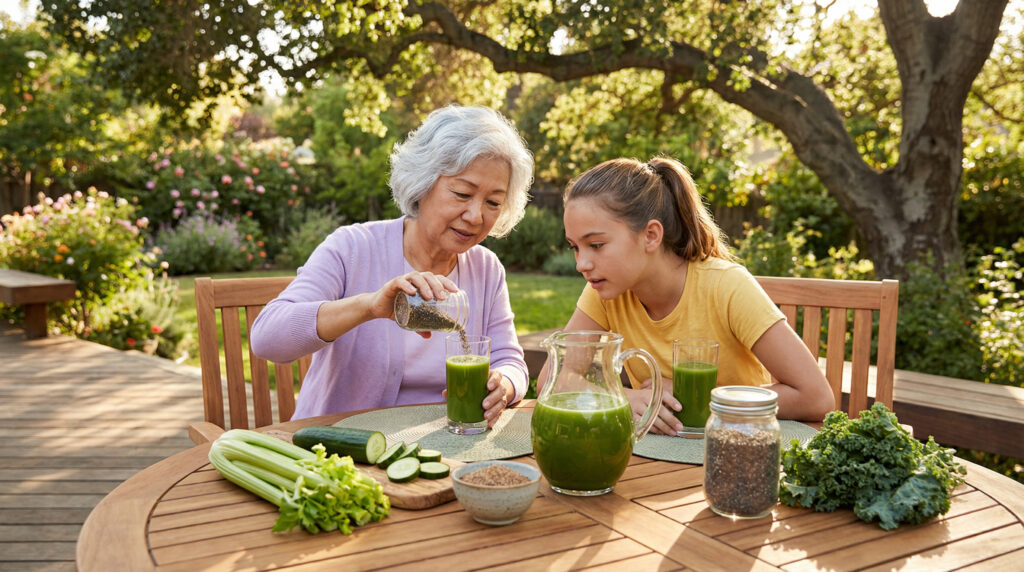
Creating a juice routine that supports rather than harms your gut requires specific steps addressing fiber, ingredients, and timing.
Step One: Assess Your Current Gut Health
Before changing diet significantly, notice how your digestive system currently functions. Do you experience regular bloating? How are bowel movements? Do certain foods consistently cause problems?
This baseline awareness helps identify whether juice additions improve symptoms or create new issues. Keep a simple log for three days before starting.
If you have diagnosed digestive conditions, consult your healthcare provider before beginning juice integration. These conditions require individualized approaches.
Step Two: Choose the Right Method
Blending preserves fiber better than traditional juicing. High-speed blenders break down whole fruits and vegetables while keeping pulp integrated. This is the preferred method for gut health.
If you prefer traditional juicing, select cold-press over centrifugal models. Cold-press juicers extract juice more gently, preserving more nutrients. Save pulp and add a spoonful back into juice.
Never use juicing as your only nutrition source for more than one or two days. Gut bacteria need diverse inputs that liquids alone cannot provide.
Step Three: Build Your Ingredient Foundation
Start with gut-supportive vegetables as your base. Celery, cucumber, and leafy greens should make up 75% of juice volume. These are low in sugar and provide minerals without overwhelming your system.
Add one fruit for taste. Green apples, pears, or berries work well with less sugar than tropical fruits. Include anti-inflammatory ingredients like ginger or turmeric. Beetroot supports liver function and bile production.
Step Four: Add Fiber Back In
Add one tablespoon of ground flaxseed or chia seeds to each juice. These provide soluble fiber feeding beneficial bacteria. Alternatively, drink juice alongside whole food containing fiber like raw almonds or vegetable sticks.
This step is non-negotiable if juicing more than once weekly. Fiber feeding is essential for bacterial diversity.
Step Five: Monitor Your Response
Pay attention to how your body responds over the first two weeks. Beneficial changes include improved energy, more regular bowel movements, and reduced bloating. These signals suggest gut bacteria are responding positively.
Warning signs include increased bloating, digestive discomfort, or problematic changes in bowel habits. If these occur, reduce juicing frequency or adjust ingredient ratios.
Your gut microbiome is unique to you. What works for others may not suit your bacterial ecosystem. Trust your body’s signals and adjust accordingly.
Common Myths About Juice Cleanses and Gut Health
Myth One: Your Body Needs Help Detoxifying
The concept of needing to detox through special diets contradicts how your body works. Your liver and kidneys remove toxins and waste continuously. They do not need juice cleanses to function properly.
People often feel better after short juice periods because they eliminate processed foods, alcohol, and excess sodium temporarily. This improvement comes from food removal, not special detoxification properties.
Supporting natural detoxification systems requires adequate protein, diverse nutrients, and regular fiber intake—all of which juice-only approaches lack.
Myth Two: More Days Mean Better Results
Research clearly shows extending juice-only periods beyond two or three days increases harm without additional benefits. Gut bacteria need regular feeding with diverse fibers, not extended fiber deprivation.
Studies demonstrate that beneficial bacterial populations begin declining significantly after three days without adequate fiber. These changes can take weeks to reverse.
Shorter integration periods work better than extended cleanses for supporting gut health sustainably.
Myth Three: All Juice Ingredients Are Equally Healthy
Ingredient composition dramatically affects impact on gut health. High-sugar fruit juices create very different bacterial responses than vegetable-based juices with minimal fruit.
Celery juice alone provides minerals and hydration but lacks fiber and protein gut bacteria need. Green juices with leafy vegetables, cucumber, and limited fruit provide more diverse plant compounds supporting beneficial bacterial populations.
The specific vegetables, fruits, and additions you choose matter as much as the decision to juice itself.
What You Can Realistically Expect From Gut-Healthy Juicing
Within the first week, you may notice increased energy from concentrated nutrients. This boost comes from readily absorbable vitamins and minerals. Some people experience adjusted bowel movements as bodies adapt. You might feel less bloated, particularly if you normally consume processed foods high in sodium.
After two to four weeks, consistent inclusion of gut-supportive juices alongside balanced diet may support more diverse bacterial populations. This shows up as improved digestive regularity and reduced bloating.
Over several months, you may notice patterns of improved gut function including more predictable bowel movements and better digestive comfort. However, benefits require consistent whole food intake alongside juice. Long-term gut health comes from overall dietary patterns, stress management, and lifestyle factors working together.
Who This Approach Is For
This approach may help if you struggle to consume adequate vegetables throughout your day. One concentrated vegetable juice provides nutrients from several servings conveniently.
You may benefit if you want to reduce reliance on processed snacks. A well-made vegetable juice provides sustained energy without blood sugar spikes. This works for those seeking sustainable addition to balanced diet, not dramatic intervention.
This approach is not appropriate if you have diabetes or prediabetes requiring careful blood sugar management. Even vegetable juices affect glucose levels dramatically.
Avoid this if you have inflammatory bowel disease, Crohn’s disease, or ulcerative colitis. These require individualized nutrition plans. Pregnant or breastfeeding women should avoid juice-only approaches. If you have history of disordered eating patterns, avoid cleansing approaches that can reinforce restriction cycles.
Frequently Asked Questions About Juice Cleanses for Gut Health
What is the best juice cleanse for gut health?
The most gut-supportive approach uses vegetable-based blended drinks retaining fiber, consumed alongside whole foods. Choose recipes with celery, cucumber, leafy greens, limited fruit, and ginger. Avoid juice-only cleanses lasting more than two days.
How long should I do a juice cleanse for gut health?
Limit juice-only periods to 24-48 hours maximum. Research shows beneficial gut bacteria decline significantly after three days without adequate fiber. Integrate one or two vegetable juices daily alongside balanced meals instead.
Can juice cleansing improve my gut microbiome?
Juice cleansing can support gut health when done thoughtfully with fiber-rich vegetable juices consumed alongside whole foods. Traditional juice-only cleanses removing dietary fiber harm your microbiome by starving beneficial bacteria. Studies show positive effects from vegetable juices containing fiber.
Do juice cleanses help with bloating?
Short-term bloating reduction typically results from eliminating processed foods and excess sodium temporarily. Long-term bloating improvement requires identifying root causes like fiber intake or gut bacterial imbalances. Juice-only approaches can worsen bloating due to concentrated sugars and lack of fiber.
Should I take probiotics with a juice cleanse?
Probiotics support gut health when combined with adequate fiber, but work best alongside whole foods rather than juice-only periods. Your beneficial bacteria need fiber to thrive.
Can I exercise during a juice cleanse?
Gentle movement like walking or light yoga is appropriate during juice-focused days. Avoid intense exercise requiring significant energy, as juice alone does not provide adequate protein or calories.
How often can I do a juice cleanse safely?
Thoughtful juice integration alongside balanced meals can occur daily. However, juice-only restriction periods should be infrequent and brief. Focus on consistent whole food quality.
How Goli Supergreens Supports Your Nutritional Foundation
Building sustainable gut health requires consistent nutrient intake alongside whole foods that feed beneficial bacteria. Goli Supergreens Gummies provide a convenient way to supplement vegetable intake when fresh juicing is not practical.
Each serving includes a blend of 11 supergreens such as spinach, kale, parsley, and celery, along with artichoke leaf extract supporting digestive health and liver function. The formula contains magnesium citrate and probiotics that help maintain a healthy gut environment where nutrients are absorbed efficiently.
These gummies work best as complement to whole foods and fiber-rich vegetables forming your gut health foundation. They do not replace the need for adequate fiber or balanced meals. Rather, they provide concentrated plant compounds and trace minerals supporting dietary patterns you are building.
Think of them as nutritional insurance on busy days when vegetable intake falls short, not as substitute for fresh produce. Your gut bacteria thrive on consistency and diversity, both requiring sustained whole food intake alongside any supplements you include.
You May Also Like
Understanding juice cleanses for gut health raises natural questions about other digestive wellness approaches. Apple cider vinegar represents another popular option people turn to for gut support, often with similar promises about detoxification and bacterial balance.
Goli Apple Cider Vinegar Gummies offer a convenient way to include apple cider vinegar without harsh taste of liquid vinegar. The gummies contain apple cider vinegar alongside vitamins B9 and B12, with added beetroot and pomegranate.
Research on apple cider vinegar suggests potential benefits for blood sugar management and digestive function. Like juice integration, apple cider vinegar works best as part of balanced dietary pattern.
The article explores what you can realistically expect from these gummies, how they compare to liquid apple cider vinegar, and whether they genuinely support gut health. It also addresses whether apple cider vinegar affects gut bacteria populations directly.
The Bottom Line
The Fiber-First Reset gives you a framework for using juice to support gut health without falling into common traps that harm your microbiome. Focus first on fiber retention through blending or fiber supplementation. Choose vegetable-heavy ingredients that provide diverse plant compounds without excessive sugar. Keep any juice-focused periods brief, treating them as occasional resets rather than extended restriction.
Start today by making one gut-supportive vegetable juice with celery, cucumber, leafy greens, and a small amount of green apple for taste. Drink it alongside a balanced meal including protein and fiber-rich whole foods. Repeat this pattern several times this week, noting how your digestion responds.
Build consistency by preparing ingredients in advance and keeping your juicing routine simple. Your gut bacteria thrive on sustained patterns, not dramatic interventions. The vegetables you juice today, the whole foods you pair them with, and the fiber you maintain throughout will determine whether juicing supports or sabotages your gut health long-term.
References
- Is a Juice Cleanse Good for You?
- Health benefit of vegetable/fruit juice-based diet: Role of microbiome
- 7 Juice Recipes for Gut Health & Inflammation
- Do Juice Cleanses Detox the Body?
- What is Fiber and Why is it Important for the Microbiome?
- Diet, disease, and the microbiome
- Effects of Vegetable and Fruit Juicing on Gut and Oral Microbiome Composition