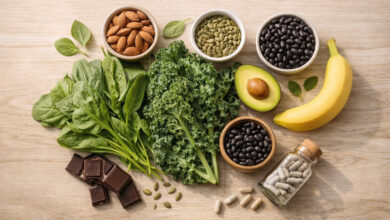

If you feel heavy after eating, bloat more easily than you used to, or notice your bathroom routine has become unpredictable, you are not imagining the change. Digestion is one of those things that tends to work quietly until it does not. Then every meal becomes something you have to think about.
I have had more than 168 days of TikTok Live conversations with people describing exactly this. The Goli Zero Sugar 3 Pack has moved over 700,000 bundles on TikTok Shop, and the gut and digestion complaints I hear most are not dramatic. They are the low-grade kind that build up over time. Meals that used to feel fine now feel heavy. Bloating that shows up for no clear reason. A gut that feels like it is always one decision behind. For most of these people, learning how to improve digestion did not require a complete overhaul. It required getting a few basics right and repeating them consistently.
The gut responds to patterns. Give it steady, reliable inputs and it tends to steady out. That is the foundation of everything in this article.
The Short Answer
The most effective way to improve digestion is to slow down meals, build fiber gradually, stay consistently hydrated, and move your body most days. Knowing how to improve digestion comes down to these four habits, repeated consistently enough for the gut to respond. Results tend to build over a few weeks, not a single perfect day.
Support your gut daily with the Goli Zero Sugar 3 Pack. Get exclusive TikTok pricing here.
What Good Digestion Actually Means
Good digestion means your body can break down food comfortably, absorb nutrients efficiently, and move waste through at a steady, predictable pace. It does not mean you never have an off day. It means your gut feels more reliable than reactive most of the time.
Digestion depends on more than what you eat. It depends on how you eat, how you move, how you sleep, and how much stress your nervous system is carrying. The stomach, intestines, and gut nerves all respond to rhythm. MedlinePlus consumer health guidance notes that digestive comfort is influenced by meal timing, eating pace, fluid intake, and physical activity, not just food choices.
When those inputs are out of sync, digestion often slows or becomes more sensitive. When they align, even imperfectly, the gut tends to respond in kind. That is why many people notice digestive improvements without changing a single food. They slow down, hydrate more consistently, or start walking after meals, and the change shows up within weeks.
How to Improve Digestion: The Calm Digest Method
This is the framework I use and the one I walk people through on TikTok Live. It is deliberately simple, because simple is what actually gets repeated long enough to matter.
Slow. Fiber. Fluids. Move.
- Slow down meals so the gut has time to do its job
- Fiber feeds gut bacteria and supports regularity
- Fluids help digestion move smoothly and prevent friction
- Move daily to support gut motility and digestive rhythm
Every step in this article connects to one of these four pillars. If a piece of digestion advice does not connect to one of them, it is usually noise.
Step One: Build Fiber Into Every Day
Fiber supports digestion by adding bulk, feeding beneficial gut bacteria, and helping prevent constipation. Harvard nutrition research on dietary fiber identifies adequate fiber intake as one of the most consistently supported inputs for digestive regularity and gut microbiome health.
Most adults fall well short of the recommended 25 to 35 grams daily. Start with one fiber anchor per meal and build from there. Breakfast: oats, berries, chia seeds, or avocado. Lunch: beans, lentils, or whole grains. Dinner: vegetables and legumes as the base. Increase gradually over one to two weeks. Mild bloating during adjustment is common and typically resolves as the gut adapts. Fiber needs water to work effectively, so increases in one require increases in the other.
Step Two: Rotate Plant Foods Across the Week
Different plant foods feed different gut bacteria. A digestive system that receives the same inputs week after week develops a narrower range of beneficial microbes over time. Rotating grains, greens, legumes, fruits, and seeds throughout the week builds microbial resilience and keeps digestion more adaptable.
This does not require extreme variety at every meal. A practical approach: switch between spinach, kale, and arugula for greens. Rotate oats, quinoa, and brown rice for grains. Vary your legumes between chickpeas, lentils, and black beans. Include different colored vegetables. NIDDK eating and digestion guidance consistently points to plant food variety as a foundation for sustained digestive health.
Step Three: Add Prebiotics and Probiotics Consistently
Prebiotics are fibers that nourish beneficial bacteria already in the gut. Probiotics are live microorganisms that support microbial balance. When both are present consistently, digestion tends to feel more comfortable and regular. That combination of prebiotics, probiotics, and postbiotics in a single daily serving is exactly what the Goli Pre+Post+Probiotic Gummies are designed to deliver.
Prebiotic-rich food sources include oats, onions, garlic, bananas, asparagus, and leeks. Probiotic-rich foods include yogurt with live cultures, kefir, sauerkraut, kimchi, and miso. Start with small portions and increase based on tolerance. For those who find food-based consistency hard to maintain every day, the Goli Pre+Post+Probiotic Gummies make that daily layer reliable without adding complexity. More on the formulation shortly.
Step Four: Hydrate Steadily, Not Reactively
Hydration supports stool movement, helps fiber work properly, and maintains the fluid environment your digestive tract needs to function smoothly. Fiber without adequate water can actually worsen digestive discomfort rather than relieve it. The two are meant to work together.
The pattern that tends to help: steady intake from morning through mid-afternoon rather than large amounts consumed reactively at the end of the day. A practical target is consistent water intake across the day, increasing slightly when fiber goes up or when you are more physically active.
Step Five: Slow Down and Chew Thoroughly
Eating pace may be the most underrated digestion variable. The American Gastroenterological Association notes that eating too quickly increases air swallowing and overwhelms the stomach’s ability to signal fullness accurately. Slowing down gives the stomach a head start on processing and reduces the volume of air entering the digestive tract.
Digestion begins in the mouth. The more thoroughly food is broken down before swallowing, the less work the rest of the system has to do. A practical approach: put your fork down between bites, chew each bite more than feels natural at first, and aim to take at least 20 minutes for a full meal. This single habit shift produces noticeable changes in how meals feel for many people within days.
Step Six: Move Your Body Daily
Physical activity supports gut motility, the process that moves food through the digestive system. CDC physical activity guidance connects regular movement to improved digestive function and reduced constipation. Walking is enough. Consistency matters more than intensity.
A 10-minute walk after meals is one of the most practical digestion habits available. It supports blood sugar regulation after eating and keeps the digestive system from stagnating. Daily movement of any kind, done consistently, produces cumulative digestive improvement over weeks.
Step Seven: Calm the Gut-Brain Connection Around Meals
The gut and nervous system are in constant communication. APA stress and body research documents that chronic stress alters gut motility, increases digestive sensitivity, and can shift the balance of gut bacteria toward less beneficial species. Many people experience this as stomach tightness before meals, bloating during stressful periods, or irregular bathroom habits during high-stress weeks.
Calmer meals support calmer digestion. Eating without screens, taking a few slow breaths before sitting down, and establishing a predictable mealtime rhythm all reduce the stress load on the digestive system. Consistent sleep timing also matters. The gut runs on circadian rhythm, and irregular sleep disrupts that rhythm in measurable ways.
What the Research Actually Shows About Digestion
A few common beliefs about digestion deserve a closer look.
Fixing digestion requires a full dietary overhaul. It rarely does. Large, sudden changes often backfire because the gut adapts gradually. The people who see the clearest improvement usually make small, repeatable adjustments over several weeks rather than attempting a complete reset.
Fiber is the problem when digestion feels worse at first. Fiber is usually the solution, just applied too quickly. Temporary gas and bloating from rapid fiber increases almost always resolve within one to two weeks when fiber is increased gradually and paired with consistent hydration.
Supplements are not needed if the diet is good. A good diet is the foundation, but consistency is the variable most people struggle with. The right supplement, added to solid daily habits, fills the gaps that even a good diet does not always close reliably. Support, not substitute.
What Better Digestion Often Feels Like
Progress with digestion is gradual and individual. Common patterns people report with consistent support over several weeks include feeling lighter after meals, less frequent or less intense bloating, more predictable bathroom habits, steadier energy through the afternoon, and a calmer overall relationship with food.
These changes tend to develop over time rather than overnight. That is normal and expected. The digestive system adapts to what you repeat, not what you do once. The people who see the most consistent results are the ones who stay patient and keep the habits simple enough to maintain on difficult days.
Who This Approach Works Best For
The Calm Digest Method is designed for healthy adults dealing with everyday digestive friction: meals that feel heavy, bloating that shows up too often, irregular bathroom habits, or a gut that feels sensitive without a clear cause. It is appropriate for anyone who wants a sustainable, low-complexity framework they can repeat week to week.
It is not a replacement for medical care. If symptoms are persistent, severe, or include red flags like unexplained weight loss, blood in stool, or persistent pain, professional evaluation is appropriate. Generally well-tolerated by healthy adults. If you take prescription medications or have existing health conditions, check with your healthcare provider before adding any new supplement.
What to Expect and When
Early shifts, such as improved comfort after meals, reduced bloating frequency, and better hydration patterns, often appear within one to two weeks of building consistent habits around eating pace, fiber, and movement.
Deeper improvements, where digestion feels reliably predictable across the week and energy steadies after meals, typically develop over four to eight weeks of consistent repetition. Digestion adapts to what you do most days, not what you do perfectly. Slow progress is not failure. It is how the gut builds trust in new patterns.
Goli customers who add the Pre+Post+Probiotic Gummies to their morning routine typically report noticeable digestive improvement within the first one to two weeks, with continued progress building from there as the microbiome adjusts to consistent daily support.
Frequently Asked Questions About How to Improve Digestion
What is the fastest path to digestive relief?
The fastest improvements typically come from slowing down meals, chewing more thoroughly, and taking a short walk after eating. These three changes reduce immediate strain on the digestive system and most people notice a difference within days. Consistent hydration paired with gradual fiber increases produces the next layer of improvement over one to two weeks.
Does drinking water help your gut function better?
Yes, and it works especially well when fiber intake is also increasing. Water supports stool movement, helps fiber do its job, and maintains the fluid environment the digestive tract needs to function comfortably. Steady intake throughout the day is more effective than large amounts consumed at once.
Why do I get bloated even when I eat healthy?
Bloating often comes from eating pace and portion size rather than food choices. Eating too quickly, swallowing air, sudden increases in fiber, or carbonated beverages are common causes. Adjusting eating speed, reducing air swallowing, and building fiber gradually often resolve bloating more effectively than eliminating specific foods.
Should I change my diet if I get indigestion often?
For many people, adjusting meal size, eating pace, and meal timing produces more improvement than changing food choices. Smaller meals, eating more slowly, and avoiding lying down immediately after eating are among the most commonly recommended adjustments. If symptoms persist or worsen, professional evaluation is appropriate.
Do probiotics help with digestion?
Probiotics from both food and supplements can support digestive health. They work best when paired with prebiotic fiber, which feeds the beneficial bacteria probiotics introduce. A supplement that combines prebiotics, probiotics, and postbiotics in one daily serving provides comprehensive support without requiring multiple separate products.
Making Daily Digestive Support Easier to Maintain
I have taken the Goli Pre+Post+Probiotic Gummies every morning for over five months as part of my daily digestive routine. The shift was gradual. Meals started feeling lighter. Bloating after eating became less frequent. Bathroom habits became more consistent and predictable. The gut-running-smoothly feeling went from occasional to the norm.
What sets these gummies apart is the formulation. They are the world’s first 3-in-1 Pre+Post+Probiotic gummy, which means one serving covers all three layers of gut support at once. The probiotic strain is Bacillus Subtilis DE111, a clinically studied, shelf-stable strain that supports beneficial bacteria in the digestive environment without requiring refrigeration. The postbiotic is Lactobacillus paracasei MCC1849, which supports immune health alongside digestion. The prebiotic is XOS, or Xylooligosaccharides, which feeds the beneficial bacteria so they can work effectively.
Zero sugar. No artificial sweeteners. Vegan, gluten-free, non-GMO, and gelatin-free. And watching thousands of people share their digestion experiences on TikTok Live over 168 days, the pattern is clear: the people who see the fastest improvement are consistently the ones who pair daily food habits with a reliable daily probiotic. Not as a replacement for those habits, but as the layer that makes consistency easier to maintain.
Over 700,000 Zero Sugar 3 Pack bundles sold on TikTok Shop. Ten billion Goli gummies sold worldwide since 2018. See the full formulation on the Goli product page.
I have secured exclusive TikTok pricing below if you want to add these to your morning routine.
Get exclusive access to Goli pricing →
You May Also Like
If the Calm Digest Method resonates, the next useful step is understanding how the gut microbiome connects to broader digestive health. Most digestion issues that do not respond to simple habit changes have a microbiome layer underneath them, and knowing what supports microbial diversity explains why some habits work better than others.
The full breakdown of how Jeremy structures his daily Goli stack, including the ACV and Pre+Post+Probiotics in the morning and Ashwagandha in the evening for the stress-gut connection, is available through the Better Gut Daily resource page. Visit the Better Gut Daily Shop to explore the full Goli Zero Sugar 3 Pack and get Jeremy’s exclusive TikTok discount.
The Bottom Line
The Calm Digest Method comes down to four actions: slow down meals, build fiber gradually, stay consistently hydrated, and move your body most days. None of these are complicated. What makes them work is doing them repeatedly rather than doing them perfectly.
Start today with one concrete action. Chew your next meal more slowly and take 20 minutes to finish it. Add one fiber-rich food before the end of the day.
Repeat weekly. Take a 10-minute walk after dinner three times this week. Add one new plant food to your rotation. Eat one meal this week without a screen in front of you.
When these habits become your default, digestion tends to steadier out across the week. Meals feel lighter. Bloating becomes less of a pattern. Energy after eating becomes more consistent. And over 700,000 people on TikTok Shop have found that adding daily gut support to that routine makes it all easier to sustain.
That is not a quick fix. It is a reliable one.
References