
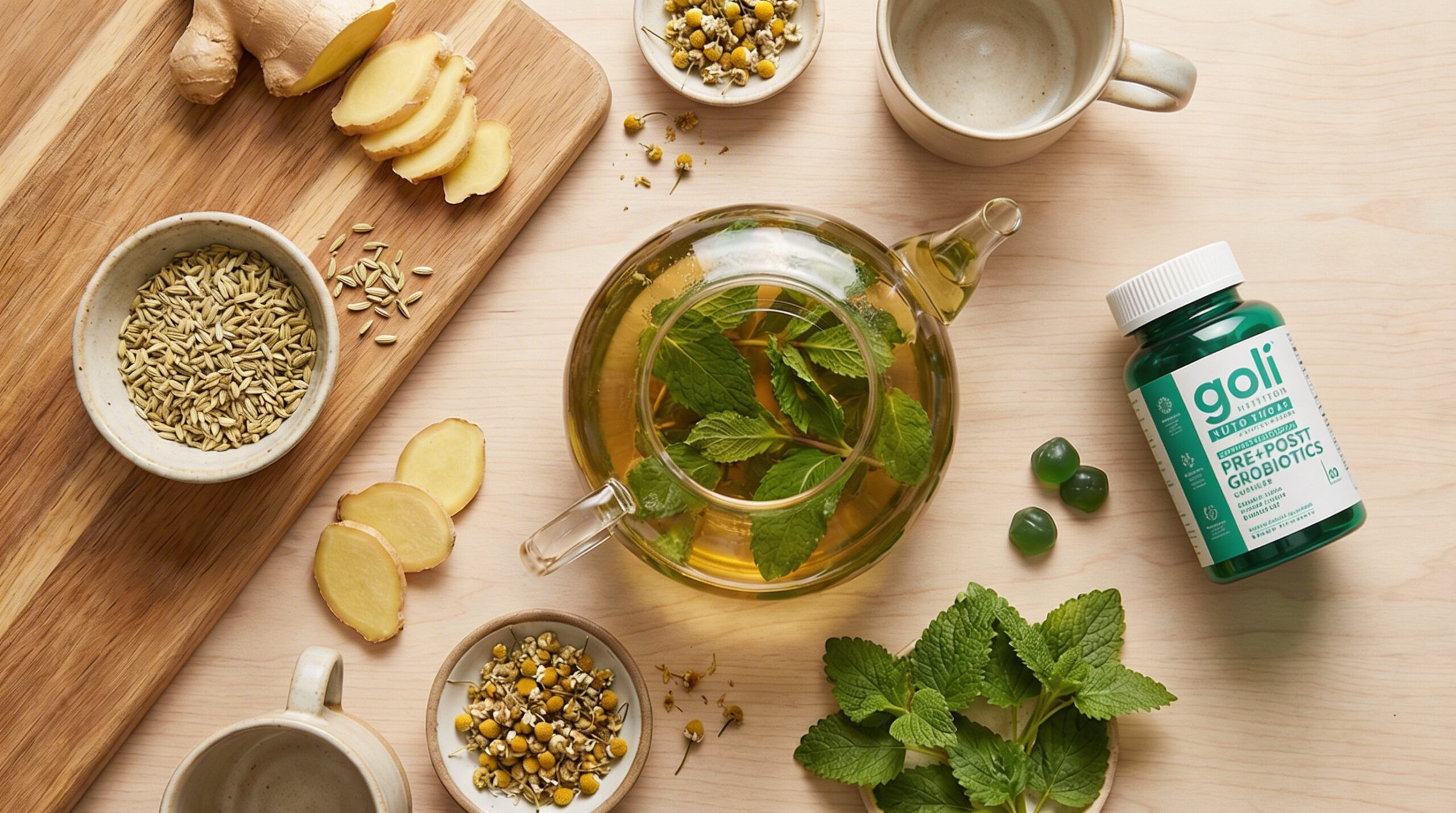
That tight, swollen feeling in your belly after a meal can turn an otherwise good day into an uncomfortable one. Whether it happens after lunch, during your period, or seemingly out of nowhere, bloating is one of the most common digestive complaints people deal with. Finding the best tea for bloating can be a simple and effective first step toward calming your gut and getting back to feeling like yourself.
Bloating affects roughly 14 percent of adults in the United States, and many more experience it occasionally without ever mentioning it to a doctor. The causes range from eating too quickly and swallowing air to food intolerances, hormonal shifts, and bacterial imbalances in your gut. The good news is that herbal teas have been used for centuries across cultures to support digestion and ease that uncomfortable pressure. Modern research is beginning to confirm what traditional medicine has known for a long time.
This guide will help you understand which teas work best for specific types of bloating and how to build a simple, consistent tea ritual that supports your digestive health over time.
The Short Answer
The best tea for bloating depends on your specific symptoms. Peppermint tea relaxes intestinal muscles and helps trapped gas pass, while ginger tea speeds digestion and reduces that heavy, overfull feeling. Fennel tea eases gas and constipation, and chamomile soothes stress-related digestive discomfort. Matching the right tea to your symptoms is what makes the difference.
What Actually Causes Bloating
Before choosing a tea, it helps to understand what is happening inside your body when bloating strikes. Bloating occurs when gas builds up in your digestive tract or when the muscles of your intestines slow down and struggle to move things along efficiently.
Several common triggers can set this process in motion. Eating too quickly or talking while you eat causes you to swallow excess air, which gets trapped in your stomach and intestines. Foods high in fermentable carbohydrates, such as beans, cabbage, and certain dairy products, give your gut bacteria more material to ferment and produce gas. Hormonal changes during your menstrual cycle can slow digestion and increase water retention. Stress also plays a significant role because tension causes digestive muscles to tighten and function less smoothly.
Understanding your personal triggers makes it much easier to choose the right tea and build habits that prevent bloating from recurring.
The Steep and Soothe Method
The Steep and Soothe Method is a simple framework for using tea effectively against bloating. Instead of randomly grabbing whatever herbal tea is in your cabinet, this approach helps you match the right tea to your symptoms, time it properly, and build consistency that leads to lasting improvement.
The method works in three parts. First, identify your bloating pattern. Is it gas and cramping after meals? A heavy, sluggish feeling? Stress-related tension in your belly? Bloating tied to your cycle? Second, choose the tea that targets your specific symptom type. Third, build a consistent daily tea ritual rather than reaching for tea only when discomfort strikes. This shift from reactive sipping to proactive support is where real change happens.
The Steep and Soothe Method reinforces a key principle: consistency matters more than intensity. One cup of the right tea every day does more for your digestion than five cups on a bad day.
The Top Teas That Target Bloating
Not all teas are created equal when it comes to digestive relief. Each one works through different mechanisms, which means matching your symptoms to the right tea makes a significant difference.
Peppermint is widely considered one of the most effective options for gas and cramping. The menthol in peppermint leaves relaxes the smooth muscles lining your digestive tract, which allows trapped gas to pass more easily. Research has shown that peppermint oil capsules can reduce abdominal pain and bloating in people with irritable bowel syndrome. However, this same muscle-relaxing effect means peppermint can worsen symptoms for people who experience acid reflux.
Ginger works differently. The active compounds gingerols and shogaols stimulate digestive motility, helping food move through your system faster. This makes ginger tea particularly helpful for that heavy, overfull feeling after a large meal. It also helps reduce nausea, making it a good choice when bloating comes with queasiness.
Fennel has been chewed after meals in Mediterranean and Indian cultures for centuries. The volatile oils in fennel seeds, particularly anethole, relax intestinal muscles while also reducing gas formation. Fennel also has a mild laxative effect, making it useful when constipation contributes to bloating.
Chamomile brings a calming quality that makes it especially valuable when stress contributes to digestive discomfort. Its anti-inflammatory and antispasmodic properties help soothe an irritated digestive tract. Chamomile is also a key ingredient in Iberogast, a well-studied European herbal formula for abdominal pain and digestive upset.
Lemon balm offers a gentler option with a pleasant citrusy flavor. It has traditionally been used for mild digestive issues including bloating and gas, and some research suggests it may ease intestinal spasms and support regularity.
Step-by-Step: Implementing The Steep and Soothe Method

Step One: Identify Your Bloating Type
Pay attention to when your bloating happens and what it feels like. Gas and sharp cramping after meals suggests you need a muscle-relaxing tea like peppermint or fennel. A heavy, sluggish feeling points toward ginger. Bloating that comes with stress or anxiety responds well to chamomile or lemon balm. Keeping a brief note on your phone for one week can reveal clear patterns.
Step Two: Choose Your Primary Tea
Based on your bloating pattern, select one tea as your daily go-to. This becomes your anchor. You can always add a second tea for different situations, but having one primary option simplifies your routine and helps you track what works.
Step Three: Brew It Right
Proper steeping matters. Use water just off the boil for herbal teas and steep for five to ten minutes. Longer steeping extracts more of the beneficial compounds without making the tea bitter, unlike caffeinated teas. Use about one teaspoon of loose herbs or one tea bag per cup of water.
Step Four: Time Your Tea Strategically
For post-meal bloating, drink your tea about 20 to 30 minutes after eating. For morning bloating, try a cup first thing with warm water. For stress-related bloating, sip chamomile or lemon balm in the evening. The timing can be just as important as the tea itself.
Step Five: Build Consistency Over Intensity
Commit to one cup daily for at least two weeks before judging whether a tea works for you. Your digestive system responds to steady, gentle support rather than occasional large doses. Over time, many people find that consistent tea habits reduce the frequency of bloating episodes rather than just treating them.
Common Myths About the Best Tea for Bloating
One common misconception is that any hot beverage will ease bloating. While warmth itself can provide temporary comfort, the specific compounds in herbal teas are what create real digestive benefits. Plain hot water will not relax intestinal muscles the way peppermint menthol does.
Another myth is that green tea is one of the best options for bloating. Green tea does contain beneficial antioxidants, but it also has caffeine, which can stimulate stomach acid production and actually worsen bloating for some people. Herbal teas are generally more effective because they are caffeine-free and contain specific digestive compounds.
Some people believe that drinking more tea means faster relief. In reality, flooding your stomach with large volumes of liquid can stretch your abdomen and make bloating feel worse in the short term. One well-brewed cup at the right time is more effective than three cups gulped quickly.
Finally, there is a widespread belief that detox teas are the best solution for bloating. Many detox teas contain senna or other laxative ingredients that can cause cramping, dehydration, and dependence over time. Simple single-herb teas like peppermint, ginger, and fennel are safer and more effective for everyday bloating.
What Realistic Relief Looks Like
Most people notice some improvement within the first few days of consistent tea drinking. The initial benefit is usually less intense bloating episodes rather than complete elimination. After one to two weeks of daily use, many people report that their bloating becomes shorter in duration and less uncomfortable when it does occur.
Over four to six weeks, the cumulative effect of supporting your digestion daily can lead to noticeable changes in how often bloating happens at all. Your gut becomes more efficient at processing food and moving gas through, and the calming effects of herbal compounds may help reduce stress-related digestive tension.
It is important to understand that tea supports your digestive system rather than eliminating bloating entirely. You may still experience occasional bloating after large meals, during hormonal shifts, or during stressful periods. The goal is fewer episodes, faster recovery, and less discomfort overall.
Who The Steep and Soothe Method Is For
This approach works well for people who experience occasional to moderate bloating related to meals, stress, hormonal cycles, or mild food sensitivities. It is especially helpful for anyone who prefers natural, gentle support over medications and who enjoys the ritual of making and drinking tea.
The Steep and Soothe Method is also a good fit for people who have tried random teas without much success. The structured approach of matching symptoms to specific teas and building consistency often produces better results than an unstructured approach.
This method is not a replacement for medical care. If you experience severe or persistent bloating, unexplained weight changes, blood in your stool, or bloating accompanied by vomiting, professional evaluation is appropriate. People with gastroesophageal reflux disease should avoid peppermint tea and opt for chamomile or ginger instead.
Your Timeline for Results
During the first three days, you may notice a gentle warming and calming sensation after drinking tea. Some people experience mild relief from gas and pressure right away, particularly with peppermint or ginger.
By the end of week one, you will likely have a clearer picture of how your body responds to your chosen tea. This is a good time to assess whether you have matched the right tea to your symptoms or need to adjust.
Weeks two through four are where the real benefits of consistent daily use become apparent. Many people report less frequent bloating, smoother digestion after meals, and a greater sense of calm in their gut.
After six weeks, the Steep and Soothe Method typically becomes a natural part of your routine rather than something you have to think about. The digestive benefits compound over time, and most people find they are reaching for their daily tea because they enjoy it rather than because they need it.
Frequently Asked Questions About the Best Tea for Bloating
Which tea works best for bloating after meals?
Peppermint and ginger are the two most effective options for post-meal bloating. Peppermint relaxes intestinal muscles and helps gas pass, while ginger speeds up stomach emptying and reduces that overfull sensation.
Can I drink bloating tea every day?
Yes. Most herbal teas for bloating are safe for daily consumption. In fact, daily consistency is what produces the best results. If you are pregnant, nursing, or taking medications, check with your healthcare provider before starting a daily tea habit.
How long should I steep tea for maximum bloating relief?
Herbal teas should steep for five to ten minutes in water just off the boil. Unlike black or green tea, herbal teas do not become bitter with longer steeping. The extra time allows more beneficial compounds to release into the water.
Does chamomile or peppermint work better for bloating?
It depends on the cause. Peppermint is better for gas, cramping, and IBS-related bloating because of its antispasmodic properties. Chamomile is better for stress-related bloating and evening digestive discomfort because of its calming effects.
Can tea replace medication for bloating?
Tea can be an effective first-line approach for mild to moderate bloating. However, it should not replace prescribed medication for diagnosed conditions like IBS, SIBO, or inflammatory bowel disease. Tea works best alongside healthy eating habits and lifestyle changes.
How Goli Supports Your Digestive Wellness Goals
Building a consistent tea ritual is a powerful foundation for digestive comfort. For those looking to add another layer of daily support, Goli Pre+Post+Probiotic Gummies offer a convenient way to nourish your gut microbiome alongside your tea habit. These gummies combine prebiotics, probiotics, and postbiotics in one formula, supporting the beneficial bacteria that play a key role in healthy digestion and reduced gas production.
Goli Apple Cider Vinegar Gummies are another option for people who want to support their digestive process. Apple cider vinegar has been traditionally used to encourage healthy stomach acid levels and promote smoother digestion. The gummy format makes it easy to include in your daily routine without the strong taste of liquid vinegar.
These supplements are designed to complement healthy habits rather than replace them. Pairing your daily Steep and Soothe tea ritual with targeted gut support can create a well-rounded approach to managing bloating and improving overall digestive comfort.
You May Also Like
If carbonated beverages are part of your daily routine, you may be curious whether the bubbles are helping or hurting your bloating. Our guide on sparkling water and bloating breaks down the science behind carbonation and digestion, helping you understand whether fizzy drinks fit into your digestive wellness routine.
The Bottom Line
The Steep and Soothe Method gives you a clear, structured way to use tea as a daily tool for digestive comfort rather than a random remedy you reach for in moments of discomfort.
Start today by identifying your most common bloating pattern and choosing one tea that matches it. Brew a cup after your next meal and pay attention to how your body responds.
Each week, maintain your daily tea ritual and notice how your digestion shifts over time. Small, consistent actions build real change.
Your gut deserves steady, gentle support. A single cup of the right tea, brewed at the right time and enjoyed consistently, can make a meaningful difference in how you feel every day.
References
- Healthline. 8 Herbal Teas to Help Reduce Bloating.
- EatingWell. Best Tea for Bloating.
- Full Leaf Tea Company. Organic Bloat Relief Tea.
- Brigham and Women’s Hospital. Gas: Beat the Bloat.
- MyOvaCare. The Ultimate Guide to Teas and Home Remedies for Bloating.
- Red Leaf Wellness. The Best Tea for Bloating and How It Works.
- Woman’s World. Tea for Bloating.
- The Republic of Tea. Get Relief Herb Tea for Digestion.