

You want the calm, the better sleep, the lower stress that people credit to ashwagandha, and a capsule feels like the simplest way in. No taste, no powder to mix, just swallow and go.
The format is fine, but ashwagandha capsules hide a problem that decides whether yours will do anything at all, and it is not the capsule itself. It is what kind of ashwagandha is inside it, because two capsules that both say ashwagandha can be worlds apart.
This guide explains what actually matters inside an ashwagandha capsule, why the research points to one specific thing, how to read a label, and the safety rules that apply to everyone.
The Short Answer
Ashwagandha capsules can work, but only if they contain a standardized root extract, not generic root powder. The clinical research uses extracts standardized to a set percentage of withanolides, the active compounds, and how well a capsule works depends heavily on that. Choose a named, standardized extract with a disclosed withanolide amount. Ashwagandha is not safe during pregnancy or breastfeeding.
What Is Actually Inside an Ashwagandha Capsule
Not all ashwagandha is the same, and this is the single most important thing to understand before buying.
Ashwagandha’s benefits come from compounds called withanolides. A capsule can contain one of two very different things: raw ashwagandha root powder, which has a low and unpredictable level of withanolides, or a standardized root extract, which is concentrated and guaranteed to a set percentage of withanolides. The clinical trials people cite almost always use a standardized extract, such as KSM-66, which is standardized to at least five percent withanolides.
A review of withanolide research notes that blood levels of these compounds are generally low and vary widely between formulations, which is exactly why the form you choose matters so much. A generic root powder capsule is a gamble; a standardized extract is a known quantity.
The Standardization Gap Nobody Warns You About
Here is the finding that should change how you shop, and it is striking.
A study compared two commercial ashwagandha extracts and found that the more highly standardized one was dramatically more bioavailable, delivering vastly more withanolides into the bloodstream than the weaker one at the same labeled dose. The difference was not small; it was many times greater. That means two capsules can both say ashwagandha, both list a similar milligram amount, and yet deliver wildly different amounts of the compounds that actually do the work.
This is the core problem with buying on the word ashwagandha alone. The milligram number on the front of the bottle tells you the weight of the powder or extract, not how much active withanolide content you are getting. Without a standardization figure, that big number is close to meaningless.
The Extract-First Rule
Here is the idea to carry into any purchase – do not buy ashwagandha, buy a standardized extract. The extract is the product, and the capsule is just the wrapper around it.
This flips how most people shop. Instead of comparing milligram numbers or prices first, you look first for a named, standardized extract and a stated withanolide percentage or amount. If a product leads with a recognized standardized extract and tells you its withanolide content, it is speaking the language of the research. If it only says ashwagandha root, or hides behind a proprietary blend with no standardization, it is asking you to trust a number that does not mean what you think it means.
The extract-first rule does not make capsules bad. It makes the label the thing you judge, because the same herb, prepared two different ways, is effectively two different products. Get the extract right, and the format is a detail. Get it wrong, and no format will save it.
Do Ashwagandha Capsules Actually Work?
With a quality standardized extract, the evidence for the main benefit is reasonably good, and it is worth being precise about what that benefit is.
The best-supported use is stress. A randomized controlled trial of a standardized extract found that a daily dose over sixty days reduced perceived stress and lowered the stress hormone cortisol compared with placebo. A review found ashwagandha reduced stress and anxiety scores across studies that typically ran around eight weeks, and reported it was generally well tolerated. Sleep quality also shows promise in the research. What the evidence does not support are the flashier claims often stapled to ashwagandha, and it pays to be honest about those, which the myths section covers. For stress and sleep, a good capsule taken consistently has real support behind it.
What to Check Before You Buy
A short label check separates a worthwhile capsule from a waste of money.
First, look for a named, standardized extract rather than plain root powder, and a stated withanolide percentage or amount. This is the single most important line on the label.
Second, favor root-only extracts, since most of the well-known stress research uses the root rather than the leaf.
Third, check for third-party testing and heavy metal screening, because ashwagandha is a root crop and quality control matters.
Fourth, be realistic about dose, with most stress research using somewhere around three hundred to six hundred milligrams of standardized extract daily.
Fifth, ignore bold claims on the front and read the supplement facts panel instead, since as the Food and Drug Administration notes, supplements are not reviewed for safety or effectiveness before sale.
Common Myths About These Capsules
Several claims attached to these capsules run well ahead of the evidence, and a few deserve direct correction.
The first is that ashwagandha is a testosterone booster or a muscle builder. The evidence here is weak and inconsistent, and no one should buy a capsule expecting it to raise testosterone or build muscle.
The second is that it is a weight loss aid. It is not, and any effect on weight in studies is small and tied to stress rather than fat burning.
The third is that more milligrams always mean a stronger capsule. Not without a standardization figure, since a big number of unstandardized powder can deliver very little active content.
The fourth is that all of these capsules are basically the same. They are not, as the standardization gap above shows, and that is the entire point of shopping carefully.
Who Should Avoid Ashwagandha
This section matters more than any buying tip, so read it carefully.
**Ashwagandha is not considered safe during pregnancy or breastfeeding.** Safety reviews warn it may cause pregnancy loss, and there is not enough data to consider it safe while nursing. If you are pregnant, trying to conceive, or breastfeeding, do not take it in any form. It is also not recommended for anyone under 18.
Beyond that, the National Institutes of Health Office of Dietary Supplements notes that liver injury has been reported in rare cases. It is uncommon, but it is a real effect, so anyone who develops unusual fatigue, yellowing of the skin or eyes, or dark urine should stop taking it and seek medical care.
People with thyroid conditions should be cautious, since ashwagandha can raise thyroid hormone levels, and those with autoimmune conditions or on immunosuppressants should check with a doctor first. It may also add to the effect of sedatives, and it can interact with thyroid, blood pressure, and blood sugar medications.
As Cleveland Clinic points out, a supplement is not automatically safe just because it is natural. If symptoms are persistent or severe, professional evaluation is appropriate.
What to Expect
Set expectations correctly, and a good capsule earns its place rather than disappointing you.
Do not expect an instant effect. The stress benefits in the research build over weeks of daily use, not from a single dose, so give a quality capsule a fair four to eight week trial before judging it. Some people notice they feel a little calmer within a week or two, but the meaningful changes are gradual. What you should not expect is dramatic transformation, a testosterone surge, or weight loss. What you can reasonably expect from a standardized extract taken consistently is a modest, real reduction in everyday stress, and often somewhat better sleep. Judged that way, it is a useful tool rather than a miracle.
Ashwagandha Capsules: Your Questions Answered
Do these capsules actually work?
They can, if they contain a standardized root extract rather than generic powder. Research on standardized extracts shows a real reduction in perceived stress and cortisol over several weeks of daily use, along with promise for sleep. The catch is quality, since an unstandardized powder capsule may deliver very little active withanolide content. Choose a named, standardized extract, take it consistently for four to eight weeks, and judge it then.
How many capsules should I take a day?
Follow the label for your specific product, since the right number depends on how concentrated the extract is. Most stress research uses somewhere around three hundred to six hundred milligrams of standardized extract per day, sometimes split into two doses. More is not automatically better, and higher amounts can raise the chance of side effects. If you take medication or have a health condition, check with your doctor before settling on a dose.
What is the best type of ashwagandha in a capsule?
A named, standardized root extract is the type with the most research behind it. Look for a recognized standardized extract with a disclosed withanolide percentage, ideally root-only, since that is what most of the stress studies used. Plain root powder with no standardization is the weakest option, because its active content is low and unpredictable. The specific extract name and the withanolide figure matter far more than the raw milligram count on the front.
Are ashwagandha pills better than gummies?
Neither format is simply better, and both can contain the same standardized extract. Capsules can hold a higher dose in one serving and skip added sugar, while gummies are easier to take consistently for people who dislike swallowing pills. The deciding factor is the same for both: whether the product uses a named, standardized extract with disclosed withanolide content, and whether you will actually take it every day.
Is ashwagandha safe to take long term?
For most healthy adults, standardized extracts have been used safely in studies lasting up to a few months, and it is generally well tolerated. Long-term safety beyond that is less studied, so periodic breaks and a check-in with your doctor are sensible. It is not safe during pregnancy or breastfeeding, not for those under 18, and anyone with a thyroid, liver, or autoimmune condition should get medical advice first. Stop and see a doctor if you notice signs of liver trouble.
Where a Gummy Fits In
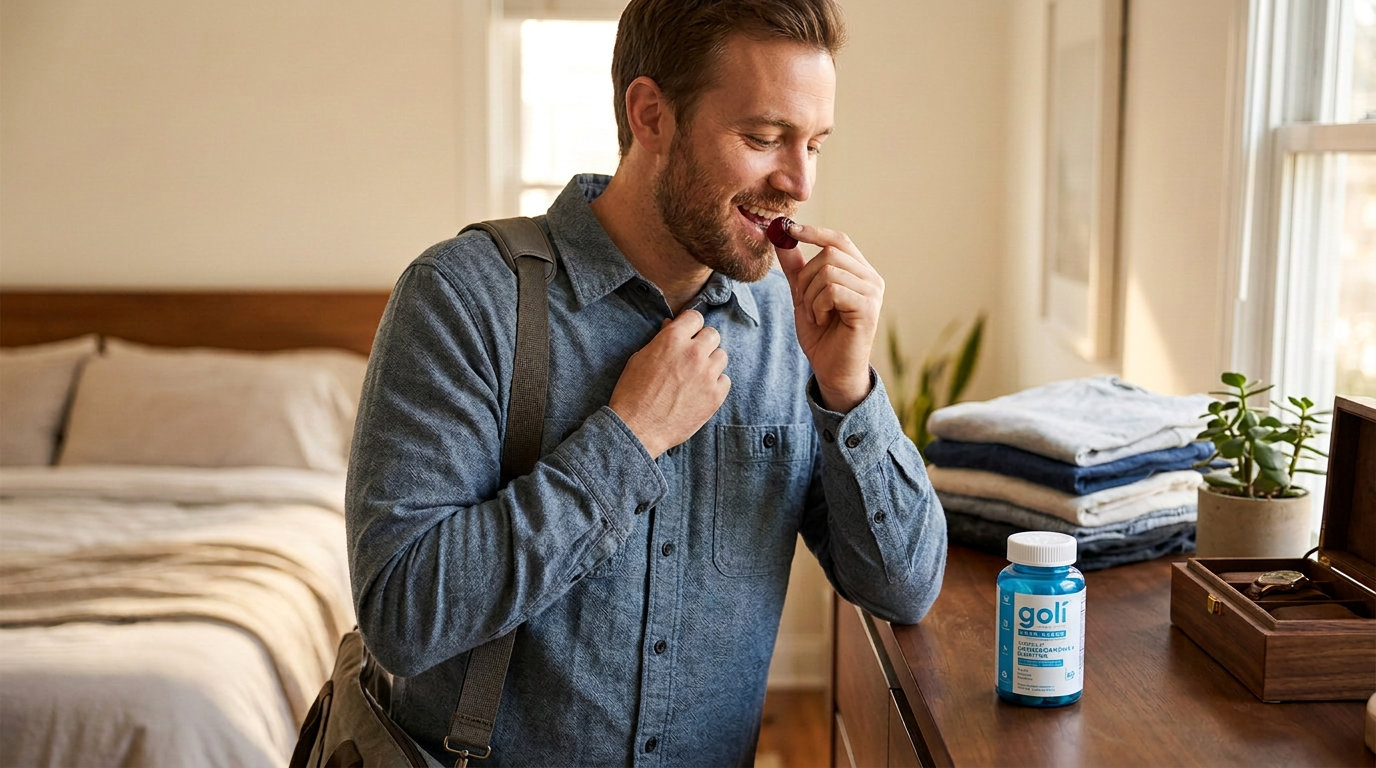
If the extract-first rule leaves you wanting a product where the extract question is already answered, that is the practical appeal of a well-formulated gummy.
The Goli Ashwagandha Gummies use KSM-66, the same standardized, root-only extract that appears across the stress research, rather than a generic powder. That means the most important label question – which extract – is settled, and the amount is stated plainly rather than hidden in a blend. They are chewed rather than swallowed, which suits people who dislike capsules, and the format makes the daily consistency the research depends on much easier to keep.
To be clear, a gummy is not magic and it is not a substitute for a good routine, and anyone who wants a higher single dose may prefer a capsule of the same extract. It bears repeating that ashwagandha, in any form, is not safe during pregnancy or breastfeeding, and it is not for anyone under 18.
I take mine daily, and across more than 200 days of TikTok Live the capsule question I hear most is why one bottle did nothing while another seemed to help. My honest answer is almost always the same – it was the extract, not the format.
One viewer told me she had written off ashwagandha entirely after a cheap powder capsule, then felt a real difference within a month once she switched to a standardized extract. If a simple daily habit with the extract question already handled is what you want, you can grab the current reader discount.
You May Also Like
If you found the standardization problem eye-opening, the same buyer-beware logic applies to another popular supplement format, and the findings there are arguably worse. Our honest guide to apple cider vinegar capsules walks through what researchers found when they actually tested those products in a lab, including labels that did not match the contents at all. It covers what to check before you buy and a safety issue specific to swallowing them, and it is worth reading before your next supplement purchase.
The Bottom Line
So, ashwagandha capsules can genuinely help with stress and sleep, but only if you follow the extract-first rule: buy a named, standardized extract with a disclosed withanolide content, not generic root powder or an unlabeled blend. The capsule is just the wrapper, and the extract is the product.
Today, if you own a bottle, read the supplement facts panel and look for a standardized extract and a withanolide figure. If you cannot find one, that tells you something. If you are buying, let the extract lead your decision, not the milligram number or the price.
Whatever you choose, give it four to eight consistent weeks, and do not take ashwagandha at all if you are pregnant, breastfeeding, or under 18, or without medical advice if you have a thyroid, liver, or autoimmune condition.
More than 750,000 Zero Sugar 3-Pack bundles have been sold since launch – a sign of how many people want simple daily support. Get the extract right, take it consistently, and let it do its quiet work.
References
- Speers AB, Lozano-Ortiz A, Soumyanath A. Quantifying Withanolides in Plasma: Pharmacokinetic Studies and Analytical Methods. Nutrients, MDPI (2024);16(22):3836.
- Lopresti AL, Smith SJ, Malvi H, Kodgule R. An Investigation into the Stress-Relieving and Pharmacological Actions of an Ashwagandha (Withania somnifera) Extract: A Randomized, Double-Blind, Placebo-Controlled Study. Medicine (2019);98(37):e17186.
- Ashwagandha: Fact Sheet for Health Professionals. National Institutes of Health, Office of Dietary Supplements.
- What Is Ashwagandha? Cleveland Clinic.
- FDA 101: Dietary Supplements. U.S. Food and Drug Administration.