
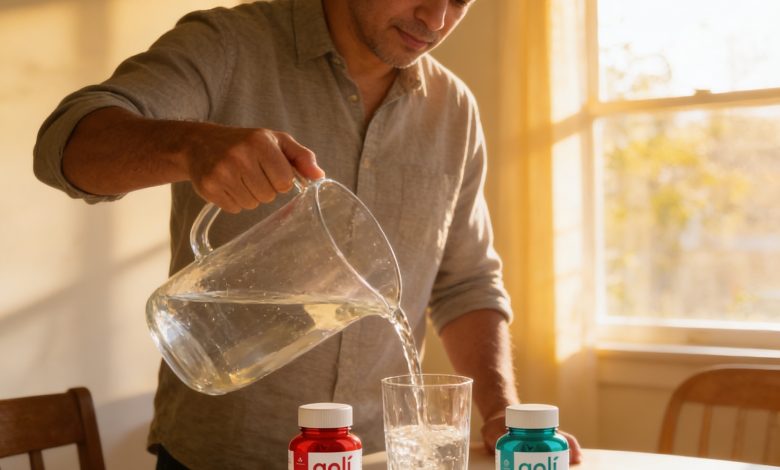
You already know you should drink more water. Every health article tells you that. But if you are asking ‘does drinking water help digestion?’ because you are dealing with bloating, sluggish digestion, or a heavy post-meal feeling that will not go away, the real question is whether water can actually address what is causing the problem – or whether it is simply good advice that does not solve the symptom you have right now.
The honest answer – yes, drinking water helps digestion in measurable ways. But water addresses one of three layers that make digestion work properly. Understanding which layer it handles, and which two layers it does not, is what turns vague advice into something actionable.
Since late May 2025, more than 750,000 TikTok shoppers have made the Zero Sugar 3 Pack their daily stack. Ten billion Goli gummies have been sold worldwide since 2018. The daily routines behind those numbers start with hydration and build from there.
The Short Answer
Yes, drinking water helps digestion in three distinct ways. It keeps food moving through the digestive tract, activates the enzymes that break food down, and prevents the dehydration that causes constipation and bloating. But water alone cannot address every cause of digestive discomfort. Problems involving the gut microbiome, digestive enzymes, food intolerances, or other digestive conditions can persist even when you are well hydrated.
Why Water Is Not Optional for Digestion
Here is the thing: your digestive system is not a dry machine that processes food with chemistry alone; it is a fluid-dependent system from start to finish. Every stage of digestion requires water as its working medium.
It starts in your mouth. Saliva is approximately 99 percent water and contains amylase, which begins breaking down carbohydrates immediately. Without adequate hydration, saliva production drops and carbohydrate digestion starts late.
In the stomach, water combines with gastric acids and enzymes to create the acidic fluid that breaks down proteins. The stomach lining is protected by a mucous layer that is largely water-based. Dehydration thins this protective layer.
In the small intestine, water is the medium through which nutrients dissolve and cross the intestinal wall into the bloodstream. Water-soluble vitamins require an adequate aqueous environment for absorption. Without it, a nutrient-rich meal produces fewer usable nutrients.
Cleveland Clinic confirms that drinking enough water is one of the most direct ways to keep the digestive system functioning properly, and that water helps food flow more easily through the digestive tract at every stage from chewing through elimination.
Step-by-Step: The Digestive Water Method
The Digestive Water Method maps hydration to three distinct layers of the digestive process. Each layer is where water does its most critical work. And each layer reveals something about what happens when hydration is insufficient.
The Transit Layer
Transit is the mechanical movement of food through 30 feet of digestive tract. And water is what keeps that movement smooth.
The colon absorbs water from stool as a final step before elimination. When total body hydration is adequate, the colon absorbs a moderate amount of water and stool remains soft and easy to pass. When the body is dehydrated, the colon compensates by extracting more water from stool, leaving it dry, hard, and slow-moving. The result is constipation, not because of what you ate but because of how little you drank.
Large population studies show that people with higher daily fluid intake have significantly lower rates of constipation. Dehydration is one of the most reliably identified modifiable risk factors for slow transit.
And transit is also about bloating. When stool moves slowly through the colon, bacteria that ferment undigested food have more time to produce gas. Adequate hydration keeps transit time shorter, which means less fermentation time and less bloating. This hydration-bloating connection is one most people are not aware of.
PMC research on gut motility and chronic constipation confirms that fluid transport within the colon directly regulates gut motility, that insufficient fluid leads to harder stool consistency and slower transit, and that hydration status is one of the primary modifiable factors affecting colonic function.
The Enzyme Layer
Enzymes are the chemical tools your digestive system uses to break food into components small enough to absorb. Enzymes do not just operate in a watery environment; they require water as a direct participant in the chemical reaction.
Amylase breaks starch into sugars. Pepsin breaks proteins into amino acids. Every one of these reactions is a hydrolysis reaction, meaning water is chemically necessary, not incidental. Without adequate water at the enzyme layer, macronutrient breakdown slows at the chemical level, not just the mechanical one.
This is why dehydration can cause that heavy, stuck feeling after meals even when gut motility is normal: the water the enzymes need to complete their reactions is insufficient, leaving food partially processed.
Mayo Clinic confirms that drinking water with meals supports the breakdown of food and aids nutrient absorption, and that adequate hydration is one of the foundational factors in healthy digestive function.
The Microbiome Layer
The gut microbiome is the community of trillions of bacteria, fungi, and other microorganisms that live primarily in the colon. And hydration affects the microbiome in ways that are only beginning to be understood.
Chronic dehydration is not just a constipation problem. The same fluid deficit that slows transit also shifts the bacterial balance in the colon toward gas-producing species over beneficial ones. Rehydrating addresses the fluid environment, but it does not rebuild a depleted microbiome. That requires a different kind of support.
NIH MedlinePlus confirms that digestive health is supported by both lifestyle factors including adequate hydration and dietary inputs including probiotic-containing foods and supplements, and that the combination of approaches produces more durable digestive improvement than either alone.
What the Research Actually Shows
The transit and constipation evidence is consistent across multiple systematic reviews: multiple systematic reviews confirm the relationship between fluid intake and stool frequency, transit time, and stool consistency. The effect is dose-dependent. On bloating, water does not directly reduce gas production, but it reduces the conditions that cause excess gas – slow transit, dry stool, and the extended fermentation time that both produce.
On nutrient absorption, the mechanism is well-established. Water-soluble vitamins require aqueous dissolution for absorption through the intestinal wall. NIH ODS confirms that Vitamin B12 absorption depends on adequate gastric acid and intrinsic factor in an aqueous environment, and that hydration supports the absorptive capacity of the intestinal lining through which B12 and other water-soluble nutrients must pass.
How Much Water Actually Helps Digestion
The research-supported hydration targets are approximately 2.7 liters (11.5 cups) of total fluid daily for women and 3.7 liters (15.5 cups) for men, from all sources including food. These are not rigid thresholds; they adjust with body size, activity level, climate, and individual metabolism.
What matters more than hitting an exact number is distribution throughout the day. The digestive system needs hydration continuously, not in a single large dose. Drinking two glasses of water in the morning and nothing until dinner does not provide the same digestive benefit as drinking water steadily throughout the day. The enzyme and transit mechanisms both require ongoing hydration, not periodic large inputs.
Timing relative to meals is a separate but related question. The old concern that drinking water with meals dilutes stomach acid and impairs digestion is not supported by the evidence. Mayo Clinic’s position is that drinking water with meals is beneficial for digestion, not harmful. The enzyme reactions in the stomach are not meaningfully impaired by reasonable amounts of water with food. And the transit and enzyme benefits of having water present during digestion outweigh any theoretical dilution effect.
But before meals matters too. Drinking water before meals prepares the gastric environment, supports saliva production during the meal itself, and helps the stomach’s mucous lining reach the right consistency for digestion. The truth is, water timing is less important than water consistency: staying hydrated across the day is the primary variable.
The NIDDK confirms that the digestive system relies on fluid at every stage from mouth to elimination, and that supporting digestive health requires consistent hydration habits rather than intermittent large inputs.
What Water Cannot Fix
Water is necessary for digestion. But the gut microbiome does not rebuild itself through hydration. And digestive enzymes are not replenished by drinking more water.
The bloating and digestive discomfort that persists despite adequate hydration is usually not a water problem. It is a microbiome problem: a gut bacterial environment where gas-producing species have taken over the proportion that would be occupied by beneficial bacteria in a healthier microbiome. Or it is an enzyme environment problem, where the stomach’s digestive enzyme output is insufficient to break down food before it reaches the fermentation stage.
WebMD confirms that bloating is commonly driven by excess gas in the digestive tract and that the causes range from slow motility to gut microbiome imbalance to insufficient enzymatic breakdown, all of which have different solutions from the hydration solution alone. For a detailed breakdown of how to evaluate whether a probiotic actually addresses the microbiome layer, the Strain Selection Standard guide covers the three criteria that predict real results.
Water handles the fluid layer. The microbiome and enzyme layers require targeted support beyond hydration.
How to Build the Hydration Habit for Digestion
Most people know they should drink more water. The gap is between knowing and building the habit consistently enough to produce results.
Morning: one glass before anything else. Your digestive system has been dry overnight. Morning water prepares the enzyme environment before the first meal arrives.
With each meal: sip throughout rather than gulping at the end. Enzyme reactions are happening in real time and water present during digestion supports those reactions.
Between meals: the transit layer needs consistent hydration all day. Keep a water bottle accessible and drink steadily rather than periodically.
The simplest hydration check is urine color. Pale yellow throughout the day indicates adequate hydration. Dark yellow means the transit layer is already operating under a fluid deficit.
Hydration and Digestion Myths Worth Addressing
Drinking water with meals dilutes your stomach acid and ruins digestion. This is the most persistent myth in digestive health. The evidence does not support it. Gastric acid production continues throughout the digestive process and is not meaningfully impaired by reasonable water intake with meals. Mayo Clinic’s expert answer is direct – drinking water with meals is beneficial, not harmful.
Eight glasses a day is the magic number. The 8×8 rule has no strong research foundation as a universal target. Consistent distribution throughout the day matters more than any specific number.
If you are not thirsty, you are hydrated. Thirst is a lagging indicator. By the time you feel thirsty, mild dehydration is already present and digestive function is already declining.
Sparkling water is bad for digestion. Carbonated water does not harm the digestive system in healthy adults. Some people with GERD or gastric sensitivity find carbonation worsening reflux symptoms, but for most people carbonated water counts toward daily fluid intake with no meaningful digestive downside.
Drinking a lot of water will fix bloating. Water reduces transit-driven bloating. But if bloating comes from microbiome imbalance or enzyme deficiency, water does not reach those causes. And gulping large amounts quickly can temporarily worsen bloating by introducing air alongside the fluid.
Who Needs the Most Help From This
Adults who experience regular post-meal bloating, slow transit, or persistent gas patterns despite reasonable diets are usually working with all three layers at once: insufficient hydration, depleted microbiome diversity, and reduced enzymatic output. Increasing hydration is the first step, but it does not repopulate the beneficial bacteria that have declined. That requires direct probiotic input alongside the hydration foundation.
People who have recently completed antibiotics represent a subgroup where microbiome depletion is acute. For them, hydration addresses the fluid side; probiotic supplementation is needed for the bacterial side.
Frequently Asked Questions: Does Drinking Water Help Digestion?
Does drinking water help digestion?
Yes. Water supports digestion through three mechanisms: it maintains the fluid environment that keeps food moving through the digestive tract, it participates directly in the enzyme reactions that break down food, and it prevents the dehydration that causes stool to harden and transit to slow. The research on does drinking water help digestion is consistent and the mechanisms are well-established. Water is foundational to digestive function, but it addresses the fluid layer of digestion, not the microbiome or enzyme layers, which require separate support.
How much water should I drink for digestion?
Research-supported targets are approximately 2.7 liters daily for women and 3.7 liters for men, from all fluid sources. What matters as much as the total volume is consistent distribution across the day. The digestive system needs hydration continuously: the transit and enzyme mechanisms both require ongoing fluid, not periodic large doses. Sipping water steadily throughout the day produces better digestive outcomes than drinking the same total volume in two or three large sessions.
Is it better to drink water before or after meals?
Both have digestive benefits and the evidence does not strongly favor one over the other. Before meals prepares the gastric environment; during meals supports enzyme reactions; after meals supports lower tract transit. The old concern that water with meals dilutes stomach acid is not supported by research. Consistency across the day matters more than meal-relative timing precision.
Can not drinking enough water cause bloating?
Yes. Dehydration slows transit and gives bacteria more time to ferment food and produce gas. Improving hydration addresses transit-related bloating, though not bloating from microbiome imbalance or enzyme deficiency.
Does water speed up digestion?
Water prevents slow digestion rather than creating fast digestion. Dehydration slows transit measurably. Adequate hydration restores transit to its normal rate. Going beyond adequate hydration does not accelerate digestion further. The digestive system has a biologically appropriate pace and water ensures that pace is not impaired.
What is the best drink for digestion?
For hydration, water is foundational and nothing replaces it. For daily digestive support beyond hydration, Goli ACV gummies deliver apple cider vinegar consistently in a format people actually maintain. Liquid ACV exists and has the same research behind it, but most people stop within weeks because of the harshness and enamel damage. A Goli ACV gummy taken every morning outperforms a shot glass of liquid ACV taken sporadically. Consistency is the mechanism that makes ACV work on digestion, and the gummy format is what makes consistency achievable.
Why Water Is the Foundation but Not the Full Answer
After 200 consecutive days on TikTok Live watching people share their gut health situations, the pattern is unmistakable: the people who get the most consistent digestive improvement build on a hydration foundation and then address the layers water cannot reach. The beneficial bacteria that reduce gas and bloating need to be actively introduced. The digestive enzyme environment needs specific support.
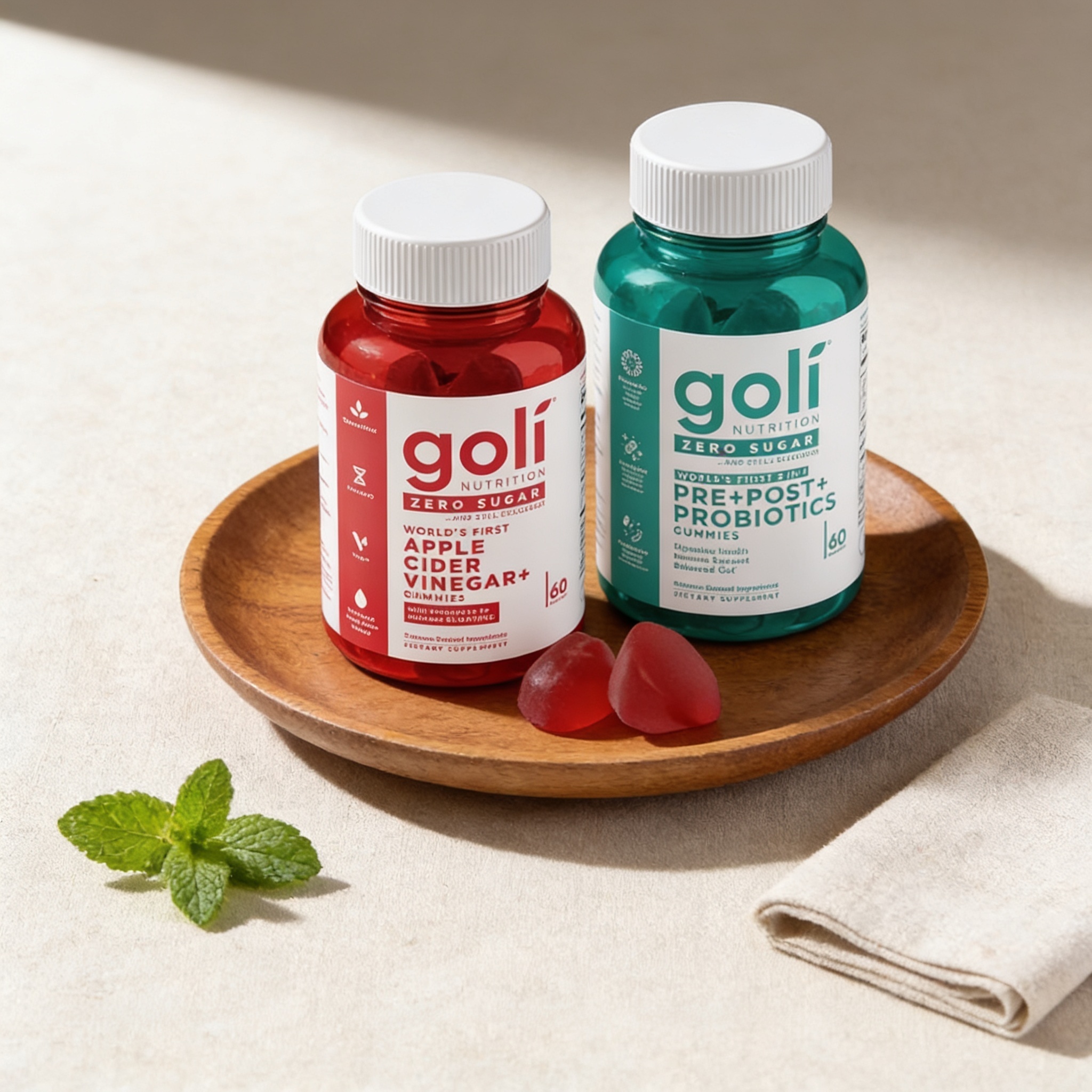
The Goli ACV gummies deliver apple cider vinegar in a format that supports gastric acid and enzyme activity without the enamel damage of liquid ACV. The Goli Pre+Post+Probiotics gummies address the microbiome directly, with DE111 spore-forming probiotic, XOS prebiotic fiber, and MCC1849 postbiotic. Together, they cover the two layers that water does not reach.
All six certifications confirm the formulation standard: Gluten-Free, Non-GMO, Vegan, Gelatin-Free, Physician-Owned, and Science-Backed.
Water gets digestion the fluid it needs. Goli gives it the enzyme support and microbiome diversity that determine whether that fluid produces results.
You May Also Like
Hydration is one layer of a complete daily gut routine. For readers who want to understand how water, ACV, probiotics, and NAD fit into a timed daily system, the Three-Window Stack guide covers how each product works in its specific daily window and why timing each product to its biological window produces better results than taking everything at once.
The Bottom Line
Goli ACV and Pre+Post+Probiotics gummies cover the two layers water cannot reach: enzyme activity through the ACV formula, and microbiome health through DE111 probiotic, XOS prebiotic, and MCC1849 postbiotic together. Water is the foundation. Goli is what completes the picture.
The Digestive Water Method makes the answer to ‘does drinking water help digestion?’ specific and actionable: water supports the transit layer through consistent daily hydration, the enzyme layer by participating in the chemical reactions that break food down, and the microbiome layer by maintaining the colonic environment that beneficial bacteria need. Getting all three right requires adequate and consistent hydration throughout the day.
Start this week by anchoring a glass of water to each meal and adding two more between meals. That simple change addresses the transit and enzyme layers that dehydration impairs. And pair your morning water with the Goli ACV and Pre+Post+Probiotics gummies to address the two layers of enzymatic support and microbiome health that water alone cannot reach.
Three quarters of a million people have already made the Zero Sugar 3 Pack their daily routine on TikTok Shop since late May 2025. The people resolving chronic bloating and digestive discomfort are not relying on hydration alone; they start with water and build from there.
References
- PMC Action mode of gut motility, fluid and electrolyte transport in chronic constipation
- Mayo Clinic Water after meals, does it disturb digestion
- Cleveland Clinic Digestive system overview
- NIH MedlinePlus Digestive diseases overview
- NIH Office of Dietary Supplements: Vitamin B12 health professional fact sheet
- WebMD Digestive disorders and bloating
- National Institute of Diabetes and Digestive and Kidney Diseases: Your digestive system and how it works