
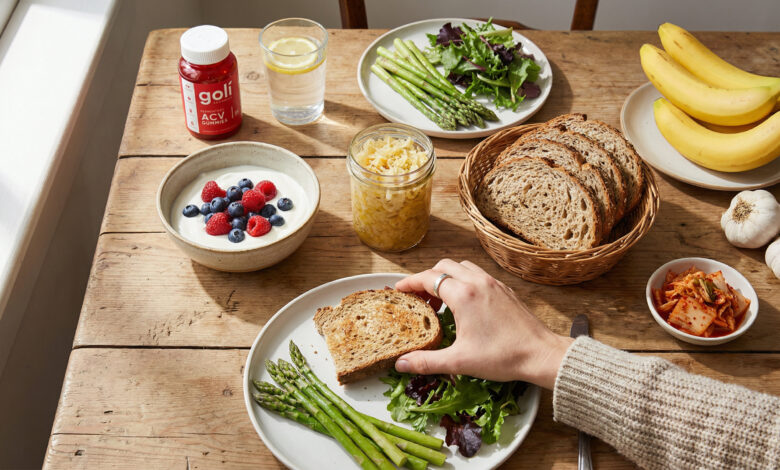
Your digestive system works around the clock, breaking down every meal into the nutrients your body needs to function. When digestion runs smoothly, you barely notice it happening. When it struggles, the discomfort becomes impossible to ignore. Bloating, gas, constipation, and heartburn affect millions of people, with research showing that roughly 15 percent of those in Western countries experience irritable bowel syndrome alone.
The foods you choose can either support this intricate system or work against it. Understanding which foods help and why gives you practical tools to reduce digestive discomfort and support gut health naturally. The good news is that many of the most effective foods for digestion are affordable, widely available, and genuinely delicious.
The Short Answer
Foods for digestion fall into three main categories: fiber-rich foods that keep things moving, probiotic foods that add beneficial bacteria, and prebiotic foods that feed your existing gut microbes. The most effective approach combines all three throughout your daily meals. Limiting processed foods, excess fat, and common irritants like caffeine and alcohol further supports optimal digestive function.
How Your Digestive System Actually Works
Before diving into specific foods, understanding how digestion works helps explain why certain foods help more than others. Your digestive tract is essentially a long tube running from mouth to exit, with specialized regions performing different tasks along the way.
Digestion begins in your mouth, where chewing breaks food into smaller pieces and saliva starts breaking down starches. Food travels down your esophagus to your stomach, where acid and enzymes continue the breakdown process. The small intestine absorbs most nutrients into your bloodstream. The large intestine, or colon, absorbs water and houses trillions of bacteria that ferment remaining material.
This bacterial community, called the gut microbiome, plays crucial roles beyond digestion. These microbes influence immune function, produce vitamins, and even communicate with your brain. Research suggests that a healthy, diverse microbiome supports not just digestive health but overall wellbeing.
The Gut Nourishment Trio

Understanding which foods support digestion becomes simpler when you organize them into three categories. The Gut Nourishment Trio framework helps you build meals that address different aspects of digestive health simultaneously.
The first category includes fiber-rich foods that provide bulk and promote regular bowel movements. The second category covers probiotic foods containing live beneficial bacteria. The third category encompasses prebiotic foods that feed and support your existing gut bacteria. A truly gut-friendly diet incorporates foods from all three categories throughout the day.
This approach differs from simply avoiding problematic foods. While reducing irritants helps, actively nourishing your digestive system creates lasting improvements in gut health and function.
Fiber-Rich Foods That Keep Things Moving
Fiber acts as the foundation of digestive health. Most people in the UK and US consume far less than the recommended 30 grams daily, with Americans averaging only 40 to 50 percent of what they need. Increasing fiber intake represents one of the most effective dietary changes for improving digestion.
There are two types of fiber, and both matter for digestive health. Soluble fiber dissolves in water, forming a gel-like substance that slows digestion and helps stabilize blood sugar. Good sources include oats, beans, apples, and citrus fruits. Insoluble fiber does not dissolve and adds bulk to stool, helping it pass through your intestines more easily. Whole grains, vegetables, and wheat bran provide insoluble fiber.
Whole grains deserve special attention. When gut bacteria ferment fiber from whole grains, they produce short-chain fatty acids that nourish the cells lining your colon. Research shows that roughly 70 percent of immune cells reside in these colon cells, making their health important far beyond digestion alone.
Fruits and vegetables provide fiber along with water content that further supports regular bowel movements. Raspberries, pears, apples with skin, green peas, broccoli, and leafy greens all rank among the highest-fiber options.
One important caution: increase fiber gradually. Adding too much too quickly can cause gas, bloating, and cramping as your digestive system adjusts. Increase your intake over several weeks while also drinking more water.
Probiotic Foods That Add Beneficial Bacteria
Probiotic foods contain live microorganisms that can benefit your gut when consumed regularly. Fermented foods represent the most accessible source of these beneficial bacteria.
Yogurt with live and active cultures provides friendly bacteria in a familiar, versatile form. Look for labels specifying live cultures, as heat processing destroys beneficial bacteria. Plain yogurt without added sugar offers the most benefit, and you can add your own fruit for sweetness.
Kefir, a fermented milk drink, contains even more bacterial strains than yogurt. Its tangy flavor works well in smoothies or as a base for salad dressings. Kefir may also be easier to digest than regular milk for people with lactose sensitivity, since fermentation breaks down lactose.
Fermented vegetables provide probiotics without dairy. Sauerkraut, kimchi, and naturally fermented pickles all contain beneficial bacteria when purchased refrigerated and unpasteurized. These foods also provide fiber, creating a two-for-one digestive benefit.
Miso, the Japanese fermented soybean paste, contains probiotics along with enzymes that aid digestion. Use it in soups, dressings, or as a marinade for fish.
Kombucha, a fermented tea, offers probiotics in a refreshing drink format. Its vinegary taste takes some adjustment, but many people find it a pleasant alternative to sugary beverages.
Prebiotic Foods That Feed Your Gut Bacteria
While probiotics add new bacteria, prebiotics feed the beneficial bacteria already living in your gut. These specialized fibers cannot be digested by humans but serve as fuel for gut microbes. When bacteria ferment prebiotics, they produce compounds that benefit your entire body.
Garlic contains fructan, a prebiotic fiber that stimulates growth of Bifidobacteria. Beyond its prebiotic benefits, garlic also has antibacterial properties that may help keep harmful bacteria in check.
Onions provide similar prebiotic benefits and add flavor to countless dishes. Both raw and cooked onions retain their prebiotic properties.
Bananas, especially slightly underripe ones, contain resistant starch that functions as a prebiotic. As bananas ripen, some of this resistant starch converts to sugar, so greener bananas offer more prebiotic benefit.
Asparagus ranks among the most prebiotic-rich vegetables available. It contains inulin fiber that specifically feeds beneficial Lactobacillus and Bifidobacteria strains.
Whole oats and barley provide beta-glucan, a prebiotic fiber that supports beneficial bacteria while also helping manage cholesterol levels.
Jerusalem artichokes, sometimes called sunchokes, contain more inulin than almost any other food. Their mild, slightly sweet flavor works well roasted or in soups.
Drinks That Support Digestive Health
What you drink matters as much as what you eat when it comes to digestive comfort. Water remains the most important beverage for digestion, helping fiber work properly and keeping waste moving through your intestines.
Herbal teas offer digestive benefits beyond hydration. Peppermint tea has antispasmodic properties that can relax gut muscles and ease bloating. Ginger tea stimulates digestive enzyme production and helps calm nausea. Chamomile tea may reduce inflammation in the digestive tract.
Plain water with every meal helps your digestive system process food efficiently. Aim for at least eight glasses daily, and increase intake when eating more fiber or during hot weather.
Beverages to limit include those containing caffeine, which can increase stomach acid and speed gut motility, potentially causing loose stools. Alcohol irritates the digestive tract and can worsen reflux symptoms. Carbonated drinks may cause bloating in some people by introducing extra gas into the digestive system.
Foods That May Cause Digestive Problems
Understanding which foods commonly trigger digestive issues helps you make informed choices about what to eat and what to limit. While individual responses vary considerably, certain categories cause problems for many people.
High-fat and fried foods require more effort to digest and can slow stomach emptying. This delay can worsen heartburn and create a feeling of uncomfortable fullness. Choosing grilled, baked, or steamed preparations instead reduces digestive burden.
Processed foods often contain additives, excess sodium, and artificial ingredients that can disrupt gut bacteria balance. Whole foods provide nutrients without these potentially problematic additions.
Artificial sweeteners, particularly sugar alcohols like sorbitol and mannitol, can cause gas, bloating, and diarrhea in sensitive individuals. These compounds draw water into the intestines, creating loose stools.
Very spicy foods trigger heartburn and stomach discomfort in some people, though others tolerate them well. If spices bother you, reducing the heat level often helps more than eliminating flavorful foods entirely.
Acidic foods including tomatoes, citrus fruits, and vinegar-based dressings may worsen heartburn symptoms. However, these foods provide valuable nutrients, so elimination should only be necessary if they cause consistent problems.
Step-by-Step Guide to Building a Gut-Friendly Diet
Step one: Assess your current fiber intake honestly. Track what you eat for a few days and estimate your fiber consumption. Most people discover they eat far less than they assumed.
Step two: Add one high-fiber food to each meal. Include berries or oats at breakfast, vegetables or legumes at lunch, and additional vegetables at dinner. This gradual approach prevents the digestive upset that comes from sudden fiber increases.
Step three: Incorporate at least one probiotic food daily. Yogurt with breakfast, kefir in a smoothie, or kimchi as a dinner side dish all work well. Consistency matters more than quantity.
Step four: Include prebiotic foods naturally throughout your meals. Use garlic and onions as flavor bases, add bananas to snacks, and choose asparagus or artichokes as vegetable sides.
Step five: Increase water intake alongside fiber increases. Fiber absorbs water, and without adequate hydration, increased fiber can worsen constipation rather than relieve it.
Step six: Reduce foods that commonly trigger digestive problems. High-fat fried foods, excessive caffeine, alcohol, and artificial sweeteners can all disrupt digestion for sensitive individuals.
Step seven: Pay attention to your body’s responses. Keep a simple food diary noting what you eat and any digestive symptoms. Patterns often emerge that reveal personal trigger foods.
Common Myths About Foods for Digestion
Myth: You need expensive supplements to improve digestion. While probiotic supplements can help some people, food sources often provide broader benefits. Fermented foods contain multiple bacterial strains plus additional nutrients that isolated supplements lack. Focus on food first.
Myth: All dairy products are bad for digestion. While some people cannot digest lactose, fermented dairy like yogurt and kefir contains bacteria that break down lactose, making these foods easier to tolerate. Many people who avoid milk can enjoy yogurt without problems.
Myth: Fiber causes bloating, so you should avoid it. Fiber can cause temporary bloating when added too quickly, but adequate fiber actually reduces bloating over time by promoting regular bowel movements. The solution is gradual increase, not avoidance.
Myth: Spicy foods always harm digestion. Spicy foods trigger heartburn in some people but cause no problems for others. Ginger, in particular, actually aids digestion by speeding stomach emptying and reducing nausea.
Myth: Digestive problems are just something you have to live with. While some digestive conditions require medical treatment, many common complaints improve significantly with dietary changes. Persistent symptoms deserve professional evaluation, but dietary adjustments often provide meaningful relief.
Who Benefits Most From Focusing on Digestive Foods
People experiencing occasional constipation often see rapid improvement from increasing fiber and water intake. Regular bowel movements typically resume within days to weeks of dietary changes.
Those with frequent bloating and gas may benefit from both adding prebiotic foods and identifying personal trigger foods. Some high-fiber foods cause more gas than others, and individual responses vary significantly.
Individuals taking antibiotics can support their gut microbiome by eating probiotic and prebiotic foods during and after treatment. Antibiotics kill beneficial bacteria along with harmful ones, and fermented foods help replenish the good bacteria.
People managing stress may notice digestive benefits from gut-friendly eating. The gut-brain connection means that supporting gut health can influence mood and stress responses.
However, those with diagnosed digestive conditions like irritable bowel syndrome, inflammatory bowel disease, or celiac disease should work with healthcare providers before making major dietary changes. Some high-fiber and fermented foods can worsen symptoms in certain conditions.
What to Expect and When
Changes in digestion from dietary adjustments follow a predictable timeline. Understanding this helps you stay patient and recognize progress.
During the first week, you may notice increased gas and mild bloating as your gut bacteria adjust to new fiber sources. This is normal and typically temporary. Staying well-hydrated helps minimize discomfort. Some people also experience changes in stool consistency as the digestive system adapts.
Within two to three weeks, bowel movements often become more regular and predictable. The bulk added by fiber creates softer, easier-to-pass stools. Many people report feeling lighter and more comfortable after meals during this phase.
After four to six weeks of consistent gut-friendly eating, many people notice reduced bloating, less gas, and overall improved digestive comfort. Some research suggests probiotic benefits require at least this long to establish. Energy levels may also improve as nutrient absorption becomes more efficient.
Over three to six months, continued attention to digestive health supports lasting changes in gut bacteria composition. The microbiome becomes more diverse and resilient, providing ongoing benefits even when you occasionally eat less-than-ideal foods. This diversity helps your system handle dietary variations without significant upset.
Frequently Asked Questions About Foods for Digestion
What are the best digestive foods to eat daily?
Yogurt with live cultures, oatmeal, berries, leafy greens, and garlic or onions provide a solid daily foundation. These foods cover fiber, probiotics, and prebiotics while being easy to incorporate into regular meals.
Can gut-friendly foods help with constipation?
Yes, high-fiber foods combined with adequate water intake represent the first-line treatment for occasional constipation. Prunes deserve special mention because they contain both fiber and sorbitol, a natural compound with mild laxative effects.
Are there digestive foods I should avoid?
Fried foods, processed foods high in fat, excessive alcohol, and artificial sweeteners can disrupt digestion for many people. Individual trigger foods vary, so tracking your personal responses helps identify what to limit.
How much fiber do I need for good digestion?
Adults should aim for approximately 30 grams of fiber daily. Most people currently eat only 15 to 20 grams, so gradual increases help avoid digestive upset while working toward the goal.
Do probiotic supplements work better than probiotic foods?
For most people, probiotic foods provide adequate benefit and offer additional nutrients beyond the bacteria alone. Supplements may help specific conditions, but food sources remain the foundation of gut-healthy eating.
You May Also Like
Supporting digestive health involves more than just food choices. For targeted strategies to heal and strengthen your gut lining, explore our guide: When to Take L-Glutamine for Gut Health
The Bottom Line
Foods for digestion work best when you approach them through the Gut Nourishment Trio framework, combining fiber-rich foods, probiotic foods, and prebiotic foods in your daily meals. This balanced approach supports all aspects of digestive function rather than targeting just one issue. The combination provides your digestive system with everything it needs to function optimally.
Your immediate next step is adding one serving of fermented food to your diet today. Choose yogurt, kefir, kimchi, or sauerkraut based on your personal preferences and what you have available. This simple addition introduces beneficial bacteria that begin supporting your gut health right away.
Over the coming week, gradually increase your fiber intake by adding more vegetables to each meal and choosing whole grains over refined options. Drink extra water to help the fiber do its job effectively. Small consistent changes prove more sustainable than dramatic dietary overhauls.
Your digestive system responds remarkably well to consistent nourishment with the right foods. Small daily choices add up to significant improvements in comfort, regularity, and overall gut health. The effort you invest in eating for your gut pays dividends in how you feel every single day.
References
- Emerson Health. “11 Foods for Gut Health and Recipes.”
- Harvard Health. “Digestive Health.”
- Healthline. “Prebiotics: The 19 Best Prebiotic Foods You Should Eat.”
- NHS. “Good foods to help your digestion.”
- United Digestive. “Top 10 Healthy Food Swaps for Improved Digestion.”
- ZOE. “What foods are good for digestive health?”