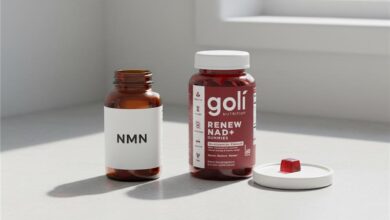

Your gut feels off, and you’re wondering if vitamins could help. Maybe you’ve heard about probiotics or fiber supplements, but you’re not sure where vitamins fit into gut health. Between B vitamins, vitamin D, and digestive supplements, the options feel overwhelming.
Here’s what makes this confusing: vitamins and gut health supplements aren’t the same thing, but they work together. Your gut needs specific vitamins to maintain its lining, support beneficial bacteria, and process nutrients properly. Understanding which vitamins support gut health and how they work with other supplements can help you make better choices.
The Short Answer
What vitamins are good for gut health? The best approach combines essential vitamins like B complex, vitamin D, and vitamin A that maintain gut lining and immune function; foundational supplements including probiotics and prebiotics that balance gut bacteria; and targeted support such as digestive enzymes and L-glutamine for specific needs. This layered approach addresses gut health from multiple angles rather than relying on a single vitamin or supplement.
Why Vitamins Matter for Gut Health
Your digestive tract does more than process food. It hosts trillions of bacteria, absorbs nutrients, and houses 70 percent of your immune system. Vitamins play distinct roles in maintaining this complex system and supporting the gut microbiome.
Some vitamins repair and strengthen the gut lining, which acts as a barrier between your digestive contents and bloodstream. Others support the beneficial bacteria in your microbiome or help produce digestive enzymes. When specific vitamins run low, your gut function can decline even when you eat well.
The connection between vitamins and gut health works both ways. Your gut needs vitamins to function properly, but it also needs to be healthy enough to absorb those vitamins from food. This is why addressing gut health often requires both supporting the gut itself and ensuring adequate vitamin intake.
Essential Vitamins, Foundational Supplements, and Targeted Support
What vitamins are good for gut health becomes clearer when you organize support into three functional categories. This approach helps you understand not just which nutrients matter, but how they work together to support digestive wellness.
Essential Vitamins includes the nutrients your gut lining and immune system need to maintain structure and function. These vitamins repair intestinal cells, support immune responses, and help your body process nutrients properly.
Foundational Supplements encompasses probiotics, prebiotics, and fiber that directly influence your gut microbiome. These supplements work with the bacteria in your digestive tract rather than supporting your body’s cells directly.
Targeted Support covers digestive enzymes, amino acids like L-glutamine, and minerals that address specific digestive functions. These compounds fill particular gaps when diet and basic supplementation aren’t enough.
Most people benefit from addressing all three categories rather than focusing on just one. Your gut health depends on this coordinated support working together.
Essential Vitamins for Gut Health
B Vitamins
The B vitamin complex represents perhaps the most important group of vitamins for maintaining gut health. Vitamin B1 (thiamine) and B2 (riboflavin) power energy production and support gut lining integrity. Vitamin B3 (niacin) reduces digestive tract inflammation while B6 (pyridoxine) helps produce neurotransmitters that regulate gut motility.
Vitamin B9 (folate) and B12 (cobalamin) work together in DNA synthesis and cell division. Your intestinal lining regenerates rapidly, making these vitamins crucial for maintaining healthy gut tissue.
Vitamin D
Vitamin D enhances your intestines’ ability to absorb minerals like calcium and phosphorus. Beyond mineral absorption, vitamin D modulates immune function in the gut and helps maintain a balanced gut microbiome.
Research suggests adequate vitamin D levels support the growth of beneficial bacteria while helping regulate inflammatory responses in the digestive tract. Studies show that vitamin D and its nuclear receptor regulate intestinal barrier integrity and control both innate and adaptive immunity in the gut.
Vitamin A
Vitamin A repairs and maintains the epithelial cells that form the protective lining of your digestive tract. These cells create a barrier that allows nutrients through while blocking harmful substances and pathogens. This vitamin also supports the immune cells clustered in gut tissue.
Vitamin C
Vitamin C aids in collagen synthesis, which helps maintain the structural integrity of your gut lining. As a powerful antioxidant, it protects digestive tract cells from oxidative damage. This vitamin also enhances iron absorption from plant-based foods and supports immune function in the gut.
Vitamin E
Vitamin E functions as an antioxidant that protects the gut lining from free radical damage. It supports immune system regulation in the gut and helps maintain cell membrane integrity throughout the digestive tract.
Foundational Supplements
Probiotics
Probiotics provide live beneficial bacteria that help balance your gut microbiome. Specific strains of Lactobacillus and Bifidobacterium have been studied for digestive benefits.
These microorganisms work by crowding out less beneficial bacteria, producing compounds that support gut health, and interacting with your immune system. Different probiotic strains serve different purposes, so choosing the right strains for your needs matters.
Prebiotics
Prebiotics are specialized plant fibers that feed the beneficial bacteria already living in your gut. Think of them as fertilizer for your microbiome. When you consume prebiotics, you support the growth and activity of helpful bacteria.
Foods like garlic, onions, and bananas contain prebiotics naturally, but supplements can provide concentrated amounts. Prebiotic fiber helps beneficial bacteria produce short-chain fatty acids, which support colon health and reduce inflammation.
Fiber
Fiber supplements serve multiple digestive functions beyond feeding gut bacteria. Soluble fiber forms a gel that helps regulate bowel movements. Insoluble fiber adds bulk and helps food move through your digestive tract. Supplements can help close the fiber gap while supporting regularity.
Targeted Support
Digestive Enzymes
Digestive enzymes break down proteins, fats, and carbohydrates into smaller molecules your body can absorb. Your pancreas and small intestine produce these enzymes naturally, but supplementation can help when your body needs extra support.
Proteases break down proteins, lipases handle fats, and amylases process carbohydrates. Enzyme supplements can reduce bloating and discomfort that occurs when food doesn’t break down completely.
L-Glutamine
L-glutamine is an amino acid that supports the cells lining your digestive tract. It provides fuel for intestinal cells and may help maintain gut barrier integrity, especially during periods of stress or illness. Research suggests L-glutamine can support barrier function and reduce inflammation in people with sensitive stomachs.
Minerals for Gut Health
Zinc helps maintain the intestinal lining’s structure and supports tissue healing. Magnesium supports muscle contractions in the gastrointestinal tract, helping food move through your system. Iron is essential for beneficial gut bacteria growth, though supplementation should be approached carefully.
Step-by-Step: Building Your Gut Support Strategy

Step One: Start with essential vitamins through a high-quality B-complex supplement and vitamin D. These form the foundation for gut lining health and immune function. Look for methylated forms of B vitamins for better absorption.
Step Two: Add a probiotic containing multiple strains, particularly Lactobacillus and Bifidobacterium species. Choose products with at least 1 billion CFUs and take consistently for 4-6 weeks before evaluating effectiveness.
Step Three: Include prebiotic fiber in your routine, either through supplements or by increasing consumption of prebiotic-rich foods. Start with small amounts and gradually increase to avoid gas and bloating.
Step Four: Consider digestive enzymes if you experience bloating or discomfort after meals. Take them with food to maximize their effectiveness. Choose broad-spectrum enzyme formulas that include proteases, lipases, and amylases.
Step Five: Add targeted support like L-glutamine or specific minerals based on your individual needs. Work with a healthcare provider to determine which targeted supplements make sense for your situation.
Step Six: Give your system 4-8 weeks to respond before making major changes. Gut health improvements take time, and rushing the process by adding too many supplements at once makes it hard to determine what actually helps.
Common Myths About Vitamins and Gut Health
One myth suggests that taking supplements will stop your body from producing its own digestive enzymes or maintaining gut bacteria. This isn’t true. Your digestive system continues functioning normally while supplements provide additional support during times when your body needs extra help.
Another misconception holds that more vitamins always equal better gut health. Taking excessive amounts of vitamins can cause digestive upset. Fat-soluble vitamins like A, D, and E can accumulate in your body and potentially cause problems at very high doses.
Some people believe vitamin supplements alone can fix all gut problems. While vitamins play important roles, gut health depends on multiple factors including diet, stress levels, sleep quality, and physical activity. Vitamins work best as part of a comprehensive wellness approach.
The idea that all probiotic strains do the same thing is misleading. Different bacterial strains serve different functions. A strain that helps with occasional diarrhea might not affect bloating, and vice versa. Choosing probiotics with research supporting their specific benefits matters.
What to Expect When Supporting Gut Health
The first two weeks often involve adjustment as your gut microbiome begins to shift. You might notice temporary changes in bowel habits or mild bloating as beneficial bacteria establish themselves.
Between weeks two and four, you should start noticing improvements in your primary symptoms. Bloating might decrease, bowel movements might become more regular, or overall digestive comfort might improve.
After four to eight weeks, you can more clearly evaluate your progress. If you see significant improvement, continue your current approach. If progress is minimal, consider adjusting your supplement choices or adding different types of support.
Who Benefits Most From This Approach
People experiencing occasional digestive discomfort from stress, diet changes, or travel often find this layered approach helpful. Those with limited diets or restricted eating patterns may not get adequate vitamins from food alone, particularly people following plant-based diets who may need extra B12.
Recent antibiotic users benefit significantly from probiotic supplementation combined with B vitamins. Antibiotics disrupt both gut bacteria and vitamin absorption, making comprehensive support especially valuable during recovery.
People managing ongoing digestive sensitivities might use this system alongside medical care. Always coordinate supplementation with healthcare providers when managing diagnosed conditions.
When to Check In With Your Healthcare Provider
Persistent symptoms lasting more than a few weeks despite supplementation warrant professional evaluation. Ongoing digestive issues could indicate conditions requiring medical diagnosis rather than just vitamin support.
Severe abdominal pain, blood in stool, unexplained weight loss, or persistent vomiting are never normal. These symptoms require immediate medical attention regardless of your supplement routine.
If you take prescription medications, discuss supplements with your provider before starting them. Some vitamins and supplements can interact with blood thinners, diabetes medications, and immunosuppressants.
Anyone developing new symptoms after starting vitamins or supplements should stop and consult their provider. While most people tolerate supplements well, individual reactions can occur and warrant professional guidance.
FAQ About What Vitamins Are Good for Gut Health
What vitamins are good for gut health if I’m just starting?
Begin with a B-complex vitamin and vitamin D. These provide broad support for gut lining health and immune function without overwhelming your system. Add a basic probiotic once you’ve taken vitamins consistently for two weeks.
Can vitamins alone fix gut health problems?
Vitamins support gut health but work best alongside proper nutrition, adequate hydration, stress management, and regular physical activity. Think of vitamins as one important piece of a larger wellness picture rather than a complete solution.
How long before vitamins improve gut health?
Most people notice subtle improvements within 2-4 weeks. More significant changes typically appear after 6-8 weeks as vitamin levels build up and gut tissues respond.
Should I take all supplements at once?
Start with essential vitamins and foundational supplements together, then add targeted support based on specific needs. This staged approach lets you evaluate what actually helps.
Do I need to take vitamins forever for gut health?
Some people use supplements temporarily while addressing specific issues. Others prefer ongoing support. After 3-6 months of consistent use, you can try reducing supplements to see if symptoms return.
Are expensive vitamin brands better for gut health?
Price doesn’t always indicate quality. Look for third-party testing, bioavailable vitamin forms, and clear labeling. Well-formulated mid-range products often work as well as premium brands.
Can vitamins help if I have IBS or other digestive conditions?
Vitamins can support overall gut health even with diagnosed conditions, but they should complement rather than replace medical treatment. Work with your healthcare provider to integrate vitamins into your overall management plan.
How Goli Gummies Support Gut Health
Goli Pre-, Post-, and Probiotic Gummies combine all three types of foundational support in one convenient product. Each serving provides beneficial bacteria, prebiotic fiber to feed those bacteria, and postbiotic compounds that support gut function.
This three-in-one approach provides comprehensive foundational support for your gut microbiome. The gummy format makes consistent daily use easier for people who struggle with pills. Taking two gummies daily provides targeted support for your gut microbiome.
Goli Apple Cider Vinegar Gummies offer functional digestive support through acetic acid and apple cider vinegar compounds. These gummies provide potential benefits without the harsh taste or dental concerns associated with liquid vinegar.
Many people combine Goli gummies with a quality B-complex vitamin and vitamin D supplement for comprehensive gut support. This layered approach works with your body’s natural processes rather than relying on a single type of supplementation.
You May Also Like
Understanding how specific supplements work in your digestive system helps you make informed choices about gut health. Learn more about How Goli ACV Gummies Work for detailed information on this functional support option.
The Bottom Line
What vitamins are good for gut health depends on understanding that gut support requires multiple approaches. Essential vitamins like B complex and vitamin D maintain gut structure and function, foundational supplements including probiotics and prebiotics balance your microbiome, and targeted support addresses specific needs.
Start today by choosing a quality B-complex vitamin and vitamin D supplement. Take them consistently with meals to support optimal absorption. Add a multi-strain probiotic to establish foundational microbiome support.
Each week, assess your digestive comfort and consider whether you need additional support. Give vitamins and supplements 6-8 weeks to show meaningful results, and adjust your approach based on how your body responds rather than following generic recommendations.
Your gut health improves through consistent, layered support rather than quick fixes. The vitamins and supplements that work best are the ones you actually take regularly as part of a comprehensive wellness approach.
References
- B Vitamins and Their Roles in Gut Health. Microorganisms.
- 5 Supplements That Can Help Your Gut Feel Its Best. Hartford HealthCare.
- Supplements and your gut health. Mayo Clinic Health System.
- Vitamin D – Health Professional Fact Sheet. National Institutes of Health.
- Vitamin D and the Host-Gut Microbiome: A Brief Overview. PMC.
- Prebiotics vs. Probiotics: What’s the Difference? Cleveland Clinic.
- How vitamin A enters immune cells in the gut. UT Southwestern Medical Center.
- Vitamins, the gut microbiome and gastrointestinal health in humans. ScienceDirect.