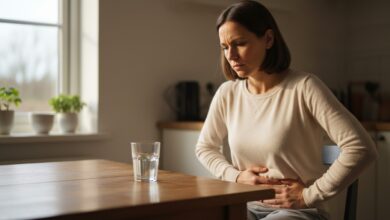

That familiar tightness in your belly shows up like clockwork every month. Your jeans feel snug, your stomach looks rounder, and nothing quite sits right. If you have ever searched “how long does period bloating last,” you already know the frustration of waiting for your body to feel normal again.
Period bloating is one of the most common symptoms of the menstrual cycle. Up to 75 percent of women experience it before or during their period, and for many it happens month after month without a clear sense of when it will pass. The good news is that understanding why it happens and when to expect it gives you real tools to manage the discomfort rather than just endure it.
This guide walks you through what causes period bloating, how long it typically lasts, and how to build habits that reduce it over time.
The Short Answer
Period bloating typically begins one to two weeks before your period and usually resolves within the first few days of menstruation. Hormonal shifts in estrogen and progesterone cause your body to retain water and slow digestion, creating that swollen, uncomfortable feeling. Matching your habits to each phase of your cycle is the most effective way to manage it.
Why Your Body Bloats Before and During Your Period
Period bloating is not just about water weight. It is the result of several hormonal processes working together in the second half of your menstrual cycle.
After ovulation, your body enters the luteal phase. During this time, progesterone rises sharply to prepare the uterine lining for a potential pregnancy. Progesterone also triggers a hormone called aldosterone, which signals your kidneys to hold onto water and sodium. This fluid retention is one of the biggest contributors to that puffy, heavy feeling.
At the same time, rising estrogen levels affect how your digestive system works. Higher estrogen can slow down the movement of food through your intestines, leading to gas, constipation, and a sluggish feeling in your gut. When your body retains extra water while also processing food more slowly, the result is bloating that can feel both abdominal and full-body.
There is another player most articles overlook. Prostaglandins are hormone-like compounds that trigger uterine contractions to help shed the lining during your period. But they also stimulate contractions in your intestines, which can cause cramping, gas, and loose stools. This is why some women experience digestive changes alongside bloating right as their period begins.
The combination of water retention, slowed digestion, and intestinal contractions is what makes period bloating feel distinct from everyday bloating after a heavy meal.
The Cycle Comfort Method
The Cycle Comfort Method is a simple framework for managing period bloating by aligning your habits with the phases of your menstrual cycle. Instead of reacting to bloating once it hits, this approach helps you prepare for it, manage it during its peak, and recover faster.
The method works in three stages. First, prepare during the early luteal phase by adjusting your diet and hydration before bloating begins. Second, manage during the late luteal and early menstrual phases when bloating peaks. Third, recover during the mid-to-late menstrual phase by supporting your body as hormone levels stabilize and water retention naturally decreases.
The Cycle Comfort Method is built on a core principle: your body follows a predictable pattern each month. Once you understand that pattern, you can work with it instead of against it.
How Long Period Bloating Actually Lasts
One of the most frustrating parts of asking how long does period bloating last is that the answer varies from person to person and even from cycle to cycle. But research gives us a general picture.
For most women, bloating begins about one to two weeks before menstruation starts, during the luteal phase. It tends to peak on the first day of your period, when water retention is at its highest point. From there, it gradually decreases as hormone levels drop and your body begins releasing the extra fluid.
Many women find that bloating resolves within the first two to three days of their period, though some experience it for up to a week into menstruation. By definition, premenstrual symptoms should settle within four days of starting to bleed. However, factors like diet, stress, sleep, and genetics can extend or shorten this window.
One study found that the average weight fluctuation during the menstrual cycle is about half a kilogram, mostly from fluid retention. That number may seem small, but the feeling of tightness and pressure can be disproportionately uncomfortable. Understanding that this is temporary and predictable can make it easier to manage both physically and emotionally.
Step-by-Step: Using The Cycle Comfort Method

Step One: Track Your Pattern for One Cycle
Before changing anything, spend one cycle paying attention to when your bloating starts and when it eases. Use a note on your phone or a period-tracking app to record when you first feel bloated, when it peaks, and when it fades. This gives you a personal baseline that is far more useful than general timelines.
Step Two: Prepare During the Early Luteal Phase
About a week after ovulation, begin adjusting your diet. Reduce your sodium intake by limiting processed and packaged foods, which are the biggest sources of hidden salt. Increase your intake of potassium-rich foods like bananas, sweet potatoes, spinach, and avocados. Potassium helps counteract sodium’s fluid-retaining effects and supports balanced hydration.
This is also the time to increase your water intake. It sounds counterintuitive, but drinking more water actually helps your kidneys flush out excess sodium and reduce fluid retention. Aim for consistent hydration throughout the day rather than large amounts at once.
Step Three: Manage During Peak Bloating
When bloating reaches its worst point in the days before and during the start of your period, focus on comfort and gentle movement. Light exercise like walking, yoga, or stretching can help stimulate your digestive system and move fluid through your body more efficiently. A 2021 clinical trial confirmed that even moderate physical activity reduces bloating during the menstrual phase.
Avoid carbonated beverages, alcohol, and excess caffeine during this window. All three can worsen bloating by increasing gas production, dehydrating your body, or irritating your digestive tract. Herbal teas like peppermint or ginger are gentler alternatives that may also support digestion.
Step Four: Support Your Recovery Phase
Once your period is underway and hormone levels begin to stabilize, your body naturally starts releasing retained water. Support this process by continuing to hydrate, eating fiber-rich foods to promote regular bowel movements, and maintaining light activity. Most women notice a significant decrease in bloating by day three or four of their period.
Step Five: Refine Over Multiple Cycles
The Cycle Comfort Method gets more effective the longer you use it. After two or three cycles of tracking and adjusting, you will have a clear picture of your personal bloating pattern and which habits make the biggest difference. Some women discover that specific foods are major triggers, while others find that exercise timing matters more.
Common Myths About How Long Does Period Bloating Last
One widespread belief is that period bloating only happens during your actual period. In reality, bloating most commonly begins one to two weeks before menstruation starts, during the luteal phase. Many women feel the worst bloating before their period even arrives. Waiting until you are already menstruating to address it means missing the most effective window for prevention.
Another myth is that drinking less water will reduce water retention. The opposite is true. When your body is dehydrated, it holds onto even more water as a protective measure. Staying well hydrated actually helps your kidneys process excess sodium and reduce the fluid buildup that causes bloating.
Some people believe that period bloating means you are gaining fat. The weight increase during your cycle is almost entirely from water retention and slower digestion. One study measured an average fluctuation of about half a kilogram, which disappears as your cycle progresses. Your body composition is not changing, even if the scale or your waistband suggests otherwise.
Finally, there is a misconception that all women experience period bloating for the same duration. The truth is that genetics, diet, stress, exercise habits, and even your individual hormone levels all influence how long and how intensely bloating affects you. What lasts three days for one person may last a full week for another, and both are within the range of normal.
What Realistic Improvement Looks Like
Managing period bloating is not about eliminating it completely. Hormonal fluctuations are a natural part of your cycle, and some degree of water retention is normal. What the Cycle Comfort Method aims for is shorter duration, lower intensity, and a greater sense of control.
Most women who consistently adjust their diet and hydration during the luteal phase report that their bloating feels less severe and resolves faster. Instead of a week of discomfort, it may shrink to a few days. Instead of sharp tightness and visible swelling, it may soften to a mild fullness that is easier to manage.
The emotional impact also shifts. When you understand that bloating follows a predictable pattern and you have tools to address it, the monthly frustration becomes less overwhelming.
Who The Cycle Comfort Method Is For
This approach is designed for women who experience regular, mild to moderate period bloating and want to reduce it through lifestyle habits rather than medication. It works well for anyone who has noticed a pattern of bloating tied to their menstrual cycle and wants a structured way to address it.
The Cycle Comfort Method is also a good fit for women who have tried random tips without seeing consistent results. The structured, phase-based approach often produces better outcomes than making changes without considering the timing of your cycle.
This method is not a substitute for medical care. If your bloating is severe enough to interfere with daily activities, persists well beyond your period, or is accompanied by symptoms like rapid weight gain, hair loss, or visual changes, professional evaluation is appropriate. Conditions like endometriosis, polycystic ovary syndrome, or irritable bowel syndrome can intensify period bloating and may require targeted treatment.
Your Timeline for Results
During your first cycle using the Cycle Comfort Method, the main goal is observation. Track your bloating pattern and begin making small dietary adjustments during the luteal phase. You may notice subtle improvements, but the primary value is building awareness of your personal timeline.
By your second cycle, the dietary and hydration changes should feel more natural. Many women report that bloating peaks less sharply and resolves a day or two earlier than before.
After three to four cycles of consistent practice, the Cycle Comfort Method typically becomes second nature. You will know your body’s patterns well enough to anticipate bloating and take action before it peaks.
Frequently Asked Questions About How Long Does Period Bloating Last
Is it normal to bloat for two weeks before my period?
Yes. Some women begin experiencing bloating as early as two weeks before menstruation, during the luteal phase. This is within the normal range and is driven by rising progesterone and aldosterone levels. If the bloating is manageable and resolves during your period, it is generally not a concern.
Does period bloating cause actual weight gain?
Period bloating causes temporary water retention, not fat gain. The average weight fluctuation is about half a kilogram. This weight typically resolves within the first few days of menstruation as hormone levels stabilize and your body releases retained fluid.
Why does period bloating feel worse some months than others?
Hormone levels can vary from cycle to cycle, and factors like stress, sleep quality, diet, and even travel can influence how your body retains water. A month with higher stress or more sodium intake may produce noticeably worse bloating than a calmer month with better nutrition.
Can exercise make period bloating worse?
Light to moderate exercise typically helps reduce bloating by stimulating digestion and supporting fluid circulation. Very intense exercise during the luteal or early menstrual phase may temporarily increase cortisol, which can contribute to water retention. Gentle movement is generally the best approach during peak bloating.
When should I see a doctor about period bloating?
If your bloating does not resolve within a few days of your period ending, significantly interferes with daily life, or is accompanied by other concerning symptoms such as persistent abdominal pain, unexplained weight changes, or digestive issues unrelated to your cycle, it is worth consulting a healthcare provider.
How Goli Supports Your Cycle Comfort Goals
Building phase-based habits is the foundation of managing period bloating effectively. For women who want to add another layer of daily support, Goli Pre+Post+Probiotic Gummies offer a convenient way to nourish your gut microbiome throughout your cycle. These gummies combine prebiotics, probiotics, and postbiotics in one formula, supporting the beneficial bacteria that play a role in healthy digestion and reduced gas production.
Goli Apple Cider Vinegar Gummies are another option for supporting digestive comfort. Apple cider vinegar has been traditionally used to promote healthy stomach acid levels and encourage smoother digestion, and the gummy format makes it easy to include in your daily routine.
These supplements are designed to complement the Cycle Comfort Method rather than replace it. Pairing consistent lifestyle habits with targeted gut support can create a well-rounded approach to reducing period bloating.
You May Also Like
If you are looking for more ways to support your digestive health throughout your cycle, our guide on vitamins for gut health covers which nutrients play the biggest role in maintaining a healthy microbiome and supporting your digestive wellness throughout the month.
The Bottom Line
The Cycle Comfort Method gives you a structured way to manage period bloating by preparing for it before it peaks, supporting your body during its worst days, and recovering more efficiently as your cycle progresses.
Start today by tracking when your bloating begins and when it resolves during your next cycle. Use that information to time your dietary and hydration adjustments to match your body’s natural pattern.
Each month, refine your approach based on what you learn. Small, consistent adjustments during the luteal phase can make a meaningful difference in how long and how intensely bloating affects you.
Your cycle is not something to fight against. When you understand its rhythm and work with it, you gain a sense of control that makes each month more comfortable than the last.
References
- Cleveland Clinic. Bloated Stomach: Causes, Tips to Reduce and When to Be Concerned.
- Thinx. How Long Does Period Bloating Last?
- Kin Fertility. Period Bloating: Why It Happens and How to Treat It.
- Beaufort Memorial Hospital. Tired of Period Bloating? Here’s How to Manage It.
- The Good Bug. How Long Does Period Bloating Last?
- Cloudnine Care. How to Get Rid of Extreme Period Bloating: How Long It Lasts.
- The Lowdown. Weight Gain and Period Bloating.
- Bodyform. Period Bloating and Weight Gain.