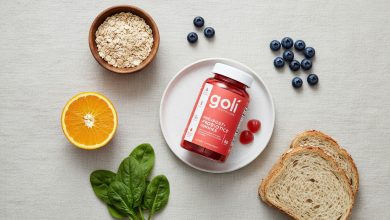

Almost every honest review of these gummies reaches the same verdict, and it is not flattering. Compared to a full greens powder, the doses are small, the blend is proprietary, and you cannot tell how much of each green you are getting. Those reviews are correct, and if a greens powder is your reference point, they have already answered your question.
But most people reaching for a gummy are not choosing between it and a powder. They are choosing between it and nothing, because they tried the powder, hated it, and quit. That is a completely different comparison, and it is the one that decides whether Goli Supergreens is a waste of money or a reasonable little habit.
Goli has sold ten billion gummies worldwide since 2018 by betting that the version people enjoy is the version they actually take. Whether it works for a greens gummy like this depends entirely on what you are comparing it against, so that is where this has to start.
The Short Answer
Goli Supergreens is a gummy delivering a small proprietary blend of greens like spirulina, kale, and chlorella, plus B vitamins and a high dose of Vitamin B12. Reviewers are right that the greens doses are low next to a powder. It is not a vegetable or powder replacement, but as an easy daily habit for someone who would otherwise skip greens, it is reasonable.
Not for anyone under 18.
What Is Actually in Them

Before judging the product, it helps to know what the label really contains, because the honest picture is mixed rather than all good or all bad.
The centerpiece is a Supergreens and Probiotics Blend, listing artichoke leaf extract, spirulina, Bacillus subtilis, aloe vera, kale, moringa leaf, broccoli, barley grass, chlorella, parsley, spinach, and celery. Ingredients like spirulina do have a nutritional research record as a protein and antioxidant source, though that research uses far larger amounts than a gummy blend provides. That is a genuinely broad list of real greens.
The catch, and reviewers are unanimous on this, is that the whole blend is proprietary and adds up to a small total, so you cannot see how much of any single green you are getting, and the amounts are modest.
Alongside the blend, each serving delivers a real set of vitamins and minerals: Vitamin A, several B vitamins, iron, magnesium, and zinc. The standout is Vitamin B12, dosed very high, which the National Institutes of Health Office of Dietary Supplements notes is absent from unfortified plant foods, making it a legitimate benefit for anyone eating little or no animal products – exactly the group most likely to run low. This part of the label is more straightforwardly useful than the greens blend.
The rest is what makes it a gummy: cane sugar, tapioca syrup, pectin, and fruit acids. That structure is why it tastes like something you will actually take, and also why it is a treat-sized amount of nutrition rather than a meal’s worth.
The Comparison That Decides Everything
Here is the fork in the road, and which branch you are on determines whether these are worth buying.
If your alternative is a full greens powder, these lose, and it is not close. A powder typically delivers several grams of greens per serving; these deliver a fraction of that in a proprietary blend you cannot fully see. Reviewers who score these gummies against powders are right to mark them down, and if you will genuinely drink a powder every day, buy the powder.
But if your alternative is nothing, the whole calculation flips. Most people who buy a greens gummy are not powder drinkers. They are people who know they should eat more vegetables, do not, and have already given up on the powder sitting in the cupboard. For that person, the comparison is not gummy versus powder. It is a small daily amount of greens, a high dose of B12, and a habit they will keep, versus none of it. Against nothing, a pleasant gummy you actually take wins easily.
Because the Food and Drug Administration does not review supplements for effectiveness before sale, the label’s benefit claims describe a category rather than a proven result, which is part of why reviewers scrutinize the doses so closely. The mistake almost every negative review makes is judging the product on the first branch when its actual buyer is standing on the second. Both branches are honest; you just have to know which one is yours before you decide.
What They Realistically Do
Set expectations to the right branch and these are easy to be fair about.
What they realistically do is nudge a little more nutrition into a day that might otherwise have none, deliver a meaningful amount of B12 and a modest amount of other vitamins and minerals, and give someone a daily wellness habit that is pleasant enough to maintain. For a person who eats few vegetables, that is a small real improvement over their current baseline.
What they do not do is replace vegetables, match a full-dose greens powder, or deliver the kind of green nutrition that transforms how you feel. No reasonable reading of the label supports those claims, and the reviewers who tested them for dramatic effects were right to come away unimpressed.
The honest summary is small and positive – a minor, convenient upgrade for the right person, not a powerhouse for anyone.
Where the Reviews Can Mislead You
The critical reviews get the facts right but often frame them in a way that misleads, and untangling that framing matters more than any single number.
The loudest claim is that the greens doses are too low to matter, and against a powder that is true, but against eating no greens at all a small amount paired with real vitamins is still more than zero, so the criticism is fair only against the benchmark most gummy buyers are not using.
The proprietary blend draws similar fire, and the frustration is legitimate since the manufacturer does not disclose how much of each green is inside, which genuinely prevents you from verifying individual amounts, though it is worth knowing this is standard practice across the supplement industry rather than something unique to this product.
The probiotic gets talked up on the label and then quietly undercut by the evidence, because no CFU count is listed and the manufacturer’s own trial of the strain, funded by the company that makes it, found no significant digestive difference versus placebo overall, so the honest read is to treat it as a minor bonus rather than a reason to buy.
The one claim that survives scrutiny cleanly is the B12, which is genuinely high and genuinely useful, especially for vegans and vegetarians, and no review seriously disputes it. Read this way, the reviews are neither wrong nor a reason to dismiss the product; they are just aimed at a benchmark you have to check before you borrow their verdict.
How Long Before You Notice Anything
Greens supplements are not the kind of product where you feel a change, so the honest timeline is about habit rather than sensation.
There is no dramatic effect to wait for. You will not feel four gummies of a small greens blend the way you might feel caffeine, and anyone expecting to is measuring the wrong thing. What builds over weeks is the B12 and vitamin contribution, which matters most if you were running low to begin with, and that is something a blood test shows rather than something you sense day to day.
The real question is not how fast they work but whether you will keep taking them. Give it a month of daily use and judge it on whether it became a habit you kept, not on whether you felt different. If it did not stick, that is useful information too, and a reason to put the money toward vegetables instead.
Who These Suit and Who Should Skip Them
Fit follows directly from the comparison, so this is easy to call honestly.
These suit you if you rarely eat greens and want a pleasant, low-effort way to add a little, if you like the idea of a daily B12 and vitamin boost in gummy form, or if you have tried greens powders and quit because you could not stand them. For that person they are a reasonable small habit.
They do not suit you if you already drink a greens powder or eat plenty of vegetables, in which case they add little you are not already getting. They also do not suit you if you want full clinical doses of specific greens, since the proprietary blend cannot promise that, or if you are avoiding added sugar against the American Heart Association limits, since the gummy format includes some.
These are not for anyone under 18.
If you are pregnant, breastfeeding, on medication, or managing a health condition, check with your doctor first, since even greens can interact with some medications, iron and Vitamin K containing greens especially. If any symptom is persistent or concerning, that is a matter for a professional, not a supplement.
Goli Supergreens: Your Questions Answered
What does Goli Supergreens do?
It delivers a small blend of greens like spirulina, kale, and chlorella along with B vitamins, iron, magnesium, zinc, and a high dose of Vitamin B12, aimed at adding a little daily nutrition in a convenient gummy. It is best understood as a small supplement to a diet low in greens rather than a green-nutrition powerhouse. The B12 and vitamins are the most reliably useful part.
Do these gummies actually work for adding greens?
They work as a small, convenient top-up rather than a full greens serving. If you compare them to a dedicated greens powder, the doses are low and reviewers rightly point that out. If you compare them to eating no greens at all, they add a modest amount plus meaningful vitamins, and the fact that you will actually take them daily is the real advantage. It depends entirely on your alternative.
How many gummies should you take a day?
The label direction is two gummies twice a day, for four gummies total. Taking more does not meaningfully increase the small greens doses and adds sugar. Four is the intended serving, and there is no benefit to exceeding it. If you take other supplements with overlapping vitamins, especially iron or Vitamin A, it is worth checking your total intake.
Can these replace vegetables?
No, and this is the most important thing to be clear about. The greens amounts are far too small to replace eating actual vegetables, and no honest reading of the label suggests otherwise. Think of these as a minor supplement for days when your vegetable intake is low, not as a substitute for them.
Real vegetables, as Cleveland Clinic describes, deliver fiber and nutrient amounts a gummy cannot approach, which is why Harvard’s nutrition guidance frames whole vegetables and fruit as the foundation rather than any supplement.
What are the side effects?
For most people at the label serving, side effects are uncommon and mild, usually minor digestive adjustment when starting. Because they contain iron and a very high B12 dose, some people may notice mild stomach upset if taken on an empty stomach, which food usually resolves. Anyone on medication affected by Vitamin K or iron should check with a doctor, since greens can matter there.
Are they worth the money?
They are worth it if you would otherwise eat no greens and want an easy, pleasant daily habit with a solid B12 boost, and not worth it if you already use a greens powder or eat plenty of vegetables. The reviews calling them overpriced are usually comparing to powders, the wrong benchmark for most gummy buyers. Judge them against your real alternative, not against a product you would not actually use.
Who Gets Real Value From These
If the honest read is that these only make sense against the right comparison, then the case for them is narrow but real, and worth stating plainly rather than overselling.
Goli Supergreens Gummies deliver a proprietary greens and probiotic blend plus a set of vitamins and minerals, headlined by a high dose of Vitamin B12, in four gummies a day. They are vegan, gluten-free, non-GMO, gelatin-free, and Kosher, colored naturally rather than with synthetic dyes.
A greens powder is stronger and cheaper per serving of actual greens, and that is not hidden here, because the reason to choose a gummy has never been maximum dose. It is that the greens you actually take beat the powder you quit, and for someone who will never drink a powder, that is the whole point.
Across more than 200 consecutive days of TikTok Live, the question I get on these is whether they replace vegetables, and the answer is always a clear no. One viewer asked during a Live if she could skip salads because she took these. I told her plainly that no gummy replaces vegetables, and these certainly do not. But if you’re eating very few greens to begin with, some is still better than none. If that honest framing fits where you are, the reader pricing is here.
You May Also Like
If you found the compare-it-to-the-right-thing approach useful, our honest look at Goli Matcha Mind does the same for a cognitive gummy, sorting the ingredient that actually does the work from the one on the label doing the marketing. It pairs well with this one, since both come down to reading past a product’s name and dose claims to what it genuinely offers.
The Bottom Line
So, Goli Supergreens is neither the scam the harshest reviews imply nor the green powerhouse the label suggests. It is a small, pleasant daily habit that makes sense for one specific person: someone who would otherwise eat no greens and values a B12 and vitamin boost they will actually keep taking.
Today, decide which comparison is yours. If you will genuinely use a greens powder or eat your vegetables, these are not for you, and that is an honest answer. If instead you know you skip greens entirely and want a small, easy step up from nothing, these fit that job.
Ten billion Goli gummies have been sold worldwide since 2018, and the happiest buyers are the ones who bought them for what they are rather than what a powder is.
And if you are under 18, pregnant, or on medication, this is one to skip or clear with your doctor first.
References
- Vitamin B12: Fact Sheet for Health Professionals. National Institutes of Health, Office of Dietary Supplements.
- Chemical Composition, Bioactivities, and Applications of Spirulina (Limnospira platensis) in Food, Feed, and Medicine. Foods, MDPI (2024);13(22):3656.
- Leafy Green Vegetables. Cleveland Clinic.
- Penet C, Kramer R, Little R, Spears JL, Parker J, Iyer JK, Guthrie N, Evans M. A Randomized, Double-Blind, Placebo-Controlled, Parallel Study Evaluating the Efficacy of Bacillus subtilis MB40 to Reduce Abdominal Discomfort, Gas, and Bloating. Alternative Therapies in Health and Medicine (2021);27(S1):146-157. Funded by BIO-CAT Microbials, the strain manufacturer.
- Vegetables and Fruits. Harvard T.H. Chan School of Public Health.
- FDA 101: Dietary Supplements. U.S. Food and Drug Administration.
- Added Sugars. American Heart Association.