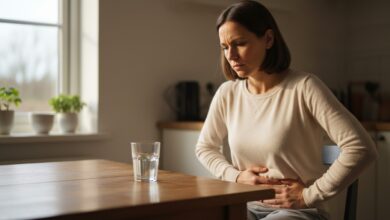
You reach for your waistband after lunch and feel that uncomfortable tightness spreading across your abdomen. Gas and bloating show up uninvited, turning ordinary activities into uncomfortable experiences. While dietary changes address part of the problem, exercises to relieve gas and bloating offer immediate relief that works with your body’s natural digestive processes.
The frustration multiplies when you try random stretches without understanding which movements help in specific situations. Knowing when and how to move makes the difference between prolonged discomfort and quick relief that lets you return to your day.
The Short Answer
Exercises to relieve gas and bloating work by stimulating intestinal movement and releasing trapped air through gentle compression and stretching of the abdominal area. Walking for ten minutes after meals prevents gas buildup, while specific yoga poses like child’s pose and knee-to-chest provide immediate relief when discomfort strikes. The most effective approach combines targeted movements at the right times rather than random stretching.
Understanding Gas and Bloating
Gas accumulation happens through two main pathways in your digestive system. When you eat or drink, you naturally swallow small amounts of air that travel to your stomach. This air typically releases through burping, but excess amounts can move into your intestines. Eating too quickly, drinking through straws, or chewing gum increases the volume of air you swallow with each bite or sip.
Your large intestine also produces gas when bacteria break down certain carbohydrates that your small intestine couldn’t fully digest. Foods containing fructose, raffinose, and sorbitol create more fermentation and gas production than others. Cruciferous vegetables like broccoli and cauliflower, beans, and whole grains all contribute to this bacterial gas production.
This combination of swallowed air and bacterial fermentation leads to that full, distended feeling. Some people produce more gas than others based on their individual gut bacteria composition and how efficiently their digestive system processes different foods.
Bloating differs from gas in that it describes the sensation of fullness and pressure, while gas refers to the actual air trapped in your digestive tract. The two often occur together, creating discomfort that ranges from mild annoyance to genuine pain that interferes with daily activities.
The Timing-Based Relief Method
Rather than treating all gas and bloating situations the same way, this approach recognizes that your body needs different movements at different times. The framework organizes exercises by timing: when you experience discomfort and what you need to accomplish.
Immediate relief addresses discomfort when you already feel bloated and need quick results. Post-meal prevention uses movement right after eating to stop gas from building up. Daily maintenance establishes ongoing habits that keep your digestive system functioning smoothly over time.
This sequential approach works because your digestive tract responds differently to movement depending on how full it is and where gas has accumulated. Gentle compression works best during acute bloating, while more active movement prevents problems before they start.
What Research Shows About Movement and Digestion
Physical activity directly impacts how quickly gas moves through your intestinal tract. Studies demonstrate that even minimal exercise after meals reduces gas retention and bloating more effectively than remaining sedentary. The abdominal muscle contractions during movement create a massage effect on your intestines.
Walking for just ten minutes or taking one thousand steps after eating shows measurable benefits. Research participants who engaged in this brief activity experienced less bloating compared to those who rested immediately after meals. The movement helps prevent gas from becoming trapped in the first place.
Exercise also enhances the rate at which your intestines clear gas that has already accumulated. When you remain still, your body retains a much higher percentage of intestinal gas. Adding gentle movement reduces this retention by helping gas move toward natural exit points.
Step-by-Step: Implementing the Timing-Based Relief Method
Step One: Identify your current bloating pattern. Track when bloating typically occurs for three to five days. Note whether discomfort appears after specific meals, at certain times of day, or seemingly at random. This pattern reveals which timing strategy will help most. Morning bloating suggests overnight gas accumulation, while post-lunch discomfort points to mealtime triggers.
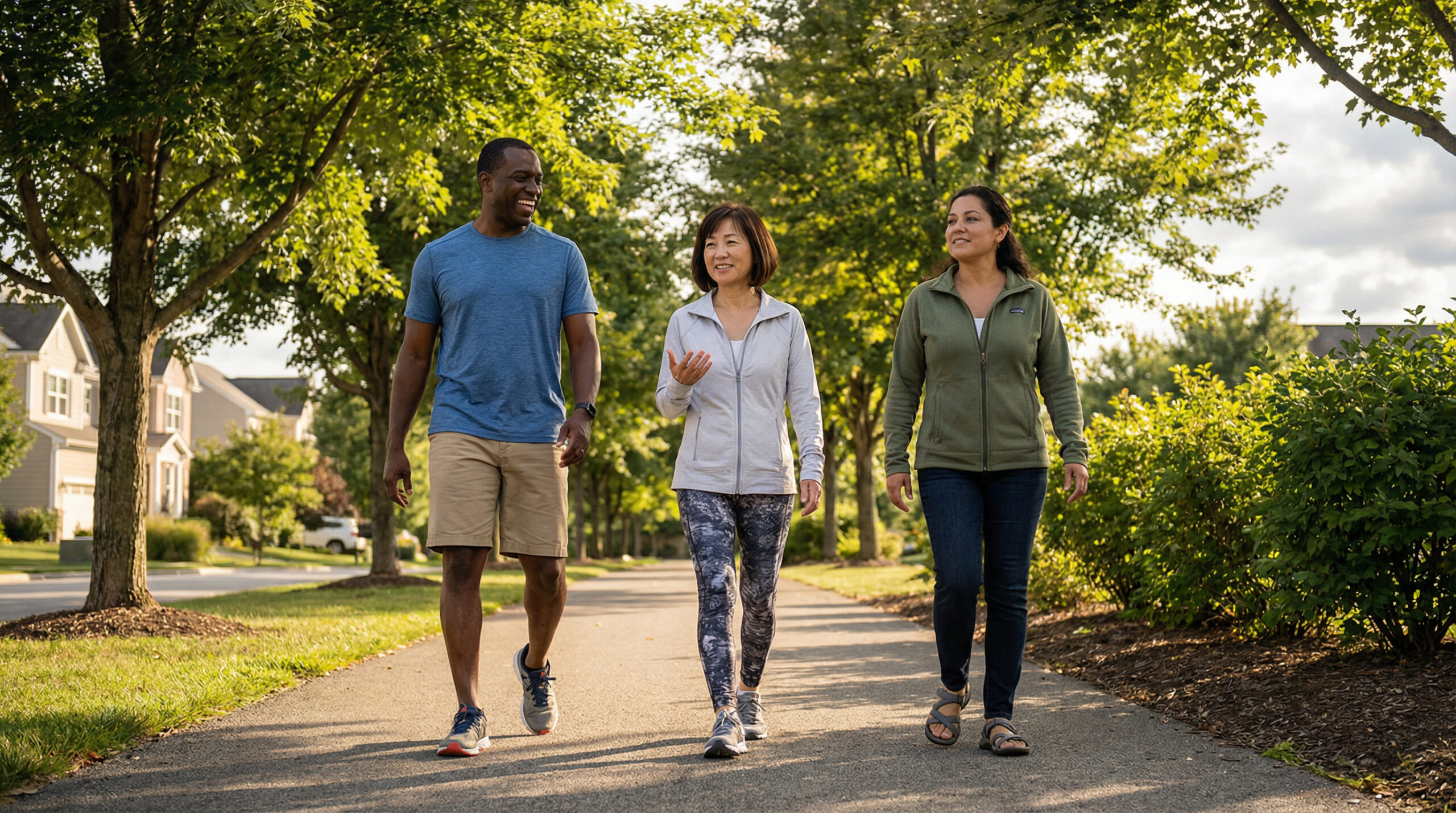
Step Two: Start with post-meal prevention. After your next full meal, walk for ten minutes at a comfortable pace. This single action prevents most bloating before it develops. Make this your default response after breakfast, lunch, and dinner for one week.
Step Three: Add immediate relief exercises to your toolkit. Choose two positions from the immediate relief section that feel comfortable to you. Practice them once when you’re not bloated so you know exactly how they work. When discomfort strikes, you’ll already know which exercises provide the fastest relief for your body. Keep the movements gentle and hold positions long enough for your body to respond.
Step Four: Build daily maintenance into your existing routine. Select one morning activity and one form of regular cardio that fits your schedule. Five minutes of morning stretches before breakfast and twenty to thirty minutes of walking three times weekly creates the foundation for long-term improvement.
Step Five: Adjust based on your response. After two weeks, evaluate what’s working. If post-meal walks eliminate most bloating, continue that priority. If morning episodes persist, increase your daily maintenance stretches. Your body’s feedback guides which timing strategies deserve the most attention. Some people need exercises across all timing categories, while others find one or two strategies sufficient.
Immediate Relief Exercises
When bloating strikes and you need relief now, these positions apply gentle pressure to release trapped gas.
Child’s Pose. Kneel on the floor and sit back onto your heels, then stretch your arms forward while lowering your chest toward the ground. The compression stimulates your internal organs and helps move gas through your system. Hold for five to ten breaths.
Knee-to-Chest Position. Lie on your back and bring both knees toward your chest, wrapping your arms around them. This creates compression that helps release gas while stretching your lower back. Hold for thirty seconds, then release and repeat three times.
Lying Spinal Twist. Start on your back with arms extended to the sides. Bend your right knee and guide it across your body to the left side, keeping your shoulders flat on the floor. The twisting motion massages your digestive organs from a different angle. Hold for thirty seconds on each side, breathing steadily throughout.
Seated Forward Bend. Sit with legs extended straight in front of you. Hinge forward from your hips, reaching toward your toes while keeping your back as straight as possible. The forward fold compresses your abdomen gently, encouraging gas to move. Hold for fifteen to thirty seconds.
Happy Baby Pose. Lie on your back and bring your knees toward your armpits. Grab the outside edges of your feet with your hands, keeping knees bent. Rock gently from side to side. This position opens your hips while applying variable pressure to your digestive tract.
Post-Meal Prevention Exercises
Movement right after eating stops gas from accumulating in the first place.
Ten-Minute Walk. Research confirms that walking for ten minutes after meals reduces bloating better than medication. The gentle movement stimulates your digestive system without being intense enough to cause discomfort.
Standing Gentle Twists. Stand with feet hip-width apart and place hands on your hips. Slowly rotate your torso to the right, then to the left, keeping your hips facing forward. Complete ten twists on each side. This creates gentle massage action without requiring you to get on the floor.
Pelvic Tilts. Lie on your back with knees bent and feet flat. Gently tilt your pelvis to press your lower back into the floor, then release. Repeat this rocking motion fifteen times.
Cat-Cow Sequence. Start on hands and knees with a neutral spine. Arch your back while lifting your head and tailbone for cow pose, then round your spine while tucking your chin for cat pose. Alternate between these positions ten times, coordinating movement with your breath. The flexion and extension massages your abdominal organs.
Daily Maintenance Exercises
Regular activity prevents the conditions that lead to chronic bloating. These exercises become part of your routine rather than emergency responses to discomfort.
Morning Stretching Routine. Spend five minutes each morning with gentle stretches that wake up your digestive system. Include torso twists, forward folds, and side bends. This establishes healthy circulation before your first meal.
Moderate Cardio Activity. Aim for thirty minutes of walking, cycling, or swimming most days. Regular cardiovascular exercise helps prevent irritable bowel syndrome symptoms including bloating. The consistent movement keeps your entire digestive system functioning efficiently.
Core Strengthening Exercises. Planks, bridges, and gentle abdominal work build the muscles that support healthy digestion. Strong core muscles improve the coordination of your digestive system’s natural contractions. Perform these exercises two to three times weekly, holding positions for twenty to thirty seconds initially and building duration as you grow stronger.
Diaphragmatic Breathing. Practice deep belly breathing for three to five minutes daily. Breathe in through your nose, expanding your belly, ribcage, and back. Exhale slowly through your mouth. This breathing pattern massages your internal organs and reduces stress that can worsen bloating.
Common Myths About Exercise and Bloating

Myth: Intense exercise fixes bloating faster than gentle movement. Vigorous exercise actually worsens bloating during acute episodes by directing blood flow away from your digestive system. Gentle movement provides better results when you already feel uncomfortable.
Myth: You should avoid all movement when severely bloated. Movement helps release trapped gas even when you feel very uncomfortable. Choose gentle positions rather than remaining completely still, as lying flat often makes bloating feel worse.
Myth: Any yoga pose will relieve gas equally well. Specific positions work better than others because they create compression in the right areas. Positions that bring your knees toward your chest or compress your abdomen prove most effective.
Myth: Exercise only helps if you do it for thirty minutes or more. Brief movement sessions provide measurable benefits. Just ten minutes of walking after meals reduces bloating without requiring long workout sessions.
What Relief Actually Looks Like
During the first few minutes of gentle exercise, you may notice increased rumbling sounds from your abdomen. This indicates movement within your intestinal tract as gas begins shifting position. Some people experience the urge to pass gas within five to ten minutes of starting exercises.
Actual relief typically arrives within fifteen to thirty minutes for most people using immediate relief positions. The pressure sensation decreases first, followed by a reduction in visible distension.
For prevention-focused movement after meals, you simply avoid developing bloating rather than experiencing dramatic relief. This absence of symptoms indicates the preventive approach is working.
With consistent daily maintenance exercise over two to three weeks, you should notice fewer bloating episodes overall. Your baseline comfort improves, and episodes that do occur tend to be less severe.
Timeline for Results
Immediate relief exercises: Results appear within five to thirty minutes for most people. Gas may pass during or shortly after the exercises. Abdominal pressure decreases noticeably within the first twenty minutes.
Post-meal prevention: Benefits appear immediately in that bloating never develops after eating. You simply maintain normal comfort rather than experiencing the typical post-meal fullness that used to occur.
Daily maintenance routine: Noticeable improvements in baseline digestive comfort emerge within two to three weeks. Bloating episodes become less frequent after four weeks of consistent practice. By six to eight weeks, many people report that bloating has become a rare occurrence rather than a daily struggle.
Who This Approach Works For
This method helps people experiencing occasional or frequent gas and bloating from dietary causes, stress, or minor digestive sensitivity. Those with irritable bowel syndrome may find these exercises reduce symptom frequency and severity.
The approach works well if you tend to bloat after specific meals or at certain times of day. People who swallow excess air while eating or drinking often benefit from the post-meal walking routine specifically.
However, this is not appropriate for managing diagnosed inflammatory bowel disease, diverticulitis during flare-ups, or bowel obstructions requiring medical intervention. Severe abdominal pain, fever, persistent vomiting, or blood in your stool requires immediate medical evaluation rather than home exercise.
Anyone recovering from abdominal surgery should consult their healthcare provider before starting these exercises. Pregnant individuals should modify positions that involve lying on the belly and may need alternative approaches to abdominal compression.
FAQ: Exercises to Relieve Gas and Bloating
How long do exercises to relieve gas and bloating take to work? Immediate relief positions typically provide results within five to thirty minutes. You may notice increased abdominal sounds within the first few minutes as gas begins moving. Post-meal prevention works immediately in that bloating never develops after eating.
Can I do these exercises right after eating? Walking is ideal immediately after meals. For positions that involve compression like child’s pose, wait fifteen to twenty minutes after a full meal to avoid discomfort. Post-meal walks work best when started within five minutes of finishing your meal.
Which exercise works fastest for immediate relief? Child’s pose and knee-to-chest position typically provide the quickest relief because they create direct abdominal compression. Most people notice reduced pressure within ten to fifteen minutes when using these positions.
Do I need any equipment for these exercises? No special equipment is required. A yoga mat provides cushioning for floor positions but isn’t necessary. Comfortable clothing that doesn’t restrict your abdomen allows for better movement and breathing.
How often should I do these exercises? Walk for ten minutes after each main meal for prevention. Use immediate relief positions as needed when bloating occurs. Daily maintenance exercises should happen most days, with morning stretches taking five minutes and cardio sessions lasting twenty to thirty minutes three times weekly.
Are there exercises I should avoid when already bloated? Avoid intense abdominal exercises like crunches or high-impact cardio when severely bloated. Stick with gentle compression positions and walking. Exercises that require you to hold your breath or strain can worsen discomfort.
Supporting Your Digestive Comfort
For those seeking additional support beyond exercise, Goli Pre+Post+Probiotics combines ingredients that work alongside the physical movement strategies described here. The prebiotic fiber provides nourishment that beneficial bacteria need, while probiotic strains may support digestive processes.
The postbiotic compounds offer metabolic support that emerges from bacterial fermentation in your gut. This combined prebiotic, probiotic, and postbiotic formula complements the physical strategies by addressing the bacterial environment that influences gas production.
However, no supplement replaces the fundamental importance of movement for digestive health. The exercises in this article create mechanical effects that work regardless of supplementation, making them a primary strategy rather than a secondary option.
You May Also Like
For women experiencing bloating that follows a predictable monthly pattern, hormonal fluctuations may be contributing to digestive discomfort. Many people find relief through understanding luteal phase bloating, why it happens and how to find relief, which addresses the unique digestive changes that occur during specific times of the menstrual cycle.
The Bottom Line
Exercises to relieve gas and bloating provide natural relief by working with your digestive system’s mechanical processes. The Timing-Based Relief Method gives you specific strategies for immediate relief, post-meal prevention, and long-term maintenance.
Start with ten minutes of walking after your next meal. Notice whether you avoid the bloating that typically follows eating. When discomfort does strike, try a child’s pose or the knee-to-chest position for five minutes.
Each week, add one daily maintenance exercise to your routine. Build gradually toward a comprehensive approach that includes brief post-meal walks and morning stretches. This consistent, gentle movement creates conditions where bloating becomes the exception rather than your daily experience.
References
- St. Vincent’s Medical Center/Hartford HealthCare – 5 Exercises to Get Your Gut Moving
- Medical News Today – Yoga Positions to Relieve Gas
- UCLA Health – 6 Things You Can Do to Prevent Bloating
- PMC – The Effect of Short-Term Physical Activity After Meals on Gastrointestinal Symptoms in Individuals with Functional Abdominal Bloating
- PubMed – Physical Activity and Intestinal Gas Clearance in Patients with Bloating
- Harvard Health – How to Get Rid of Bloating: Tips for Relief
- Doral Health & Wellness – 7 Powerful Exercises to Relieve Bloating Fast