
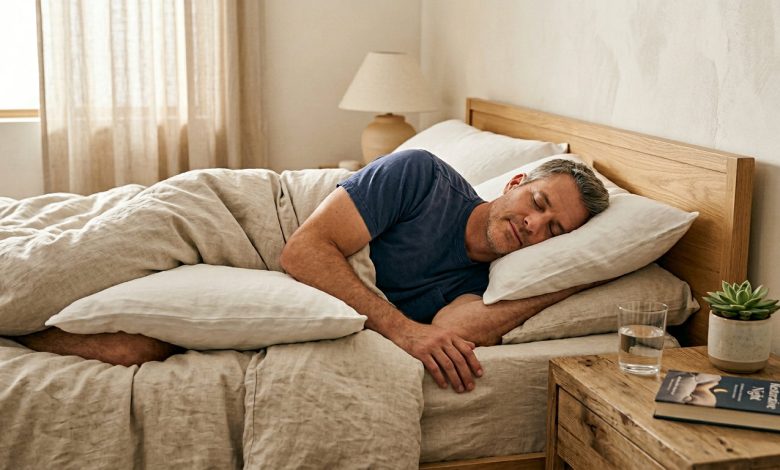
If you are comparing ashwagandha vs magnesium, the easiest mistake is treating them like interchangeable calming supplements. They are not. Ashwagandha is an herbal adaptogen studied mainly for stress, sleep, and related performance outcomes. Magnesium is an essential mineral involved in hundreds of enzymatic reactions, with benefits that depend heavily on whether intake is low in the first place.
That difference changes the buying decision.
More than 750,000 Zero Sugar 3 Pack bundles have sold on TikTok Shop since late May 2025, but sales volume does not tell you whether ashwagandha or magnesium better fits your goal. The useful question is narrower: what are you trying to improve, and which ingredient has evidence closest to that outcome?
The Short Answer
Ashwagandha vs magnesium is not a winner-take-all comparison. Ashwagandha has stronger direct evidence for perceived stress and some sleep outcomes, while magnesium is an essential nutrient whose benefits are clearest when intake or status is inadequate. Magnesium may support sleep in some groups, but results are mixed. Choose based on the problem you are solving, not which supplement sounds more relaxing.
Why These Two Supplements Get Compared
The overlap is mostly practical.
People buy both for evening routines.
Both appear in conversations about stress.
Both get linked to sleep.
Both are often marketed as something you take when you feel “wired but tired.”
But the biology is different.
The National Institutes of Health describes magnesium as a mineral required for normal muscle and nerve function, blood glucose regulation, blood pressure regulation, protein synthesis, and energy production. The NIH magnesium fact sheet also makes an important point that supplement marketing tends to blur: magnesium is a nutrient requirement, not a sedative.
Ashwagandha is different.
Memorial Sloan Kettering Cancer Center describes ashwagandha as an herb used in Ayurvedic medicine and notes that human studies have explored stress, sleep, and related outcomes while also outlining important safety cautions and interaction concerns. The MSK overview is a useful baseline because it separates the better-supported uses from the long list of claims attached to the plant.
So these are not two versions of the same thing.
One is a mineral.
One is an adaptogenic herb.
That is where I start.
The Goal-First Split
I use a framework I call The Goal-First Split.
Instead of asking which supplement is “better,” divide the decision by the outcome you actually want.
If the goal is stress reduction, ashwagandha has the more direct human evidence.
If the goal is correcting low magnesium intake or deficiency, magnesium is the obvious fit because that is a nutrient problem.
If the goal is sleep, both have some evidence, but the strength and context of that evidence differ.
If the goal is muscle function or recovery, magnesium matters physiologically, but taking extra does not automatically improve performance when intake is already adequate.
That is the split.
The supplement only makes sense when the problem matches the evidence.
Step-by-Step: The Goal-First Split for Ashwagandha vs Magnesium
Step One: Start With Stress, Because the Evidence Is Not Even
This is where ashwagandha has the clearest advantage.
A 2019 randomized, double-blind, placebo-controlled trial followed adults with self-reported stress for 60 days. Participants receiving ashwagandha extract had larger reductions in perceived stress and cortisol than placebo. The Medicine study was funded by Arjuna Natural Ltd., which supplied the Shoden® extract used in the trial, so the result should not be presented as evidence for Goli’s finished gummy or KSM-66 specifically. It still gives ashwagandha a direct stress outcome rather than forcing us to infer one from a nutrient pathway.
That does not mean every ashwagandha product works the same.
Extract, dose, duration, and standardization matter.
But the endpoint is relevant.
Magnesium has a different evidence story.
A 2017 systematic review found that magnesium supplementation may help subjective anxiety in vulnerable groups, but the authors also concluded that the quality of the existing evidence was poor and that stronger randomized trials were needed. The Nutrients review is useful because it prevents a common overstatement: magnesium participates in nervous-system function, but that does not make it a proven stress supplement for everyone.
If stress is the main reason you are shopping, ashwagandha starts with the cleaner clinical fit.
Step Two: Treat Magnesium Status as Its Own Question
Magnesium is different because low intake changes the conversation.
The NIH notes that many people in the United States consume less magnesium than recommended, although severe symptomatic deficiency from low dietary intake alone is uncommon in otherwise healthy people. Older adults and people with certain gastrointestinal conditions, type 2 diabetes, or long-term alcohol use can be at greater risk of inadequate status.
That means magnesium can be very important.
But importance is not the same as “more is better.”
If your diet is already rich in magnesium and your intake is adequate, taking extra magnesium does not automatically create a stronger calming effect.
Food sources include leafy greens, nuts, seeds, legumes, and whole grains.
That matters because a comparison between ashwagandha and magnesium can become misleading if the mineral side is treated only as a supplement.
Sometimes the correct magnesium strategy is fixing intake.
Sometimes it is a supplement.
And sometimes the symptom you are trying to solve has nothing to do with magnesium status at all.
That is why I would not buy magnesium just because stress is present.
I would first ask whether low intake is plausible.
Step Three: Compare Sleep Evidence Without Pretending Either Is a Sleeping Pill
This is the closest part of the comparison.
A 2021 systematic review and meta-analysis of five randomized controlled trials found that ashwagandha extract produced a small but significant improvement in overall sleep, with larger effects in people with insomnia and in studies using at least 600 mg per day for eight weeks or longer. The PLOS ONE meta-analysis also found improvement in sleep onset latency and wake time after sleep onset.
That does not mean it knocks you out.
It is not melatonin.
It is not a prescription sedative.
The effect builds.
Magnesium has some positive sleep data too, but it is more context-dependent.
A 2021 systematic review of older adults found that magnesium supplementation may improve sleep onset latency, while evidence for total sleep time and sleep quality was less certain because the trials were small and heterogeneous. The BMC review is a good reality check because it stops the phrase “magnesium helps sleep” from becoming broader than the trials justify.
So if sleep is the only goal, I would ask two questions.
Is stress keeping you awake?
Or is there a plausible magnesium-intake issue?
Those are different routes.
Step Four: Separate Muscle Function From “Recovery” Marketing
Magnesium is biologically essential for muscle contraction, nerve transmission, and energy metabolism.
That is real.
But supplement labels often convert that biology into a recovery claim without checking whether the person was deficient.
A 2017 systematic review and meta-analysis found that magnesium supplementation did not consistently improve muscle fitness in people with adequate magnesium status, while benefits were more plausible in people with deficiency or in certain older populations. The Magnesium Research review helps draw the line.
This is where “supports muscle function” and “improves recovery” stop being the same sentence.
Ashwagandha has separate performance research.
Some resistance-training studies have reported improvements in strength and recovery-related measures, but that does not make it a direct substitute for protein, training, sleep, or adequate mineral intake.
For this comparison, I would not choose either product because of a vague recovery promise.
I would choose based on the bottleneck.
If the bottleneck is stress and poor sleep, ashwagandha may fit.
If the bottleneck is low magnesium intake, fix that.
That is more useful than buying both because the label says recovery.
Step Five: Decide Whether You Need One, the Other, or Neither
This is the step most comparison articles skip.
You may not need either.
If your stress is mostly driven by five hours of sleep, too much caffeine, no downtime, and constant work messages, a supplement does not erase that pattern.
If your magnesium intake is low because your diet is limited, improving food quality may solve more than a capsule does.
If your sleep problem is loud snoring, waking short of breath, restless legs, pain, or persistent insomnia, that deserves evaluation rather than supplement stacking.
And if you already take medication, have kidney disease, are pregnant, or are managing a thyroid or autoimmune condition, both magnesium and ashwagandha can require more caution.
Magnesium supplements can interact with certain antibiotics and bisphosphonates, and high supplemental doses can cause diarrhea.
Ashwagandha may affect thyroid function, can cause gastrointestinal side effects, and is not recommended in pregnancy.
This is not a reason to panic.
It is a reason to make the choice specific.
One goal.
One product.
One clean trial.
The Myth: Magnesium Is the “Safer Natural Version” of Ashwagandha
This comparison sounds tidy.
It is not.
Magnesium is an essential mineral, so people assume it is automatically safer.
Ashwagandha is an herb, so people assume it is automatically stronger or riskier.
Neither shortcut works.
Magnesium can cause diarrhea and abdominal cramping at higher supplemental doses, and people with impaired kidney function can have trouble clearing excess magnesium.
Ashwagandha has its own cautions, including possible thyroid effects and rare reports of liver injury.
The NIH Office of Dietary Supplements sets the tolerable upper intake level for supplemental magnesium at 350 mg per day for adults, excluding magnesium naturally present in food. That limit is based largely on diarrhea and gastrointestinal side effects, not on total dietary magnesium.
The point is simple.
“Natural” and “essential” do not mean consequence-free.
The right choice depends on dose, health context, and goal.
What a Good Choice Should Feel Like After a Few Weeks

A useful result should match the reason you started.
If you chose ashwagandha for stress, I would look for a calmer baseline, less mental carryover into the evening, or better sleep over several weeks.
That is how I judge it personally.
Goli Ashwagandha Gummies have given me some of my best sleep and helped lower the sense of stress I carry into the evening.
I do not expect a knockout effect.
I notice the difference in how settled I feel.
If you chose magnesium because your intake was low, the target is different.
You are correcting a nutrient gap.
You do not need to “feel” magnesium working for it to be relevant.
And if you bought either product for sleep but nothing changes after a fair trial, that is information.
Do not keep adding more supplements just because the category sounds right.
A routine should get clearer over time.
Not more complicated.
Who This Is For
This article is for the person standing between two supplement bottles and trying to solve one problem.
Maybe stress is the main issue.
Maybe sleep is the issue.
Maybe you keep seeing magnesium glycinate recommended online and are wondering whether it makes ashwagandha unnecessary.
Maybe you already take magnesium and are deciding whether adding ashwagandha makes sense.
The answer depends on the goal.
If you want a deeper breakdown of timing, best time of day to take ashwagandha explains why I prefer evening use and why consistency matters more than chasing an exact clock time.
This is also for people who want to avoid buying two products when one may be enough.
That is a good instinct.
More supplements do not create a better routine by default.
How Long to Judge Ashwagandha or Magnesium
Ashwagandha is a weeks-not-hours supplement.
The better stress and sleep trials typically run for six to eight weeks.
That is the window I would use for a fair judgment.
Magnesium is trickier because the timeline depends on the reason you are taking it.
If you are correcting low intake, the physiological benefit begins with restoring adequacy.
If you are taking it for sleep, the small trials and reviews generally judge outcomes over several weeks rather than one night.
So I would not compare them by asking which one “works faster.”
That question rewards immediate sensation.
Immediate sensation is not the same as better evidence.
Give the product enough time for the outcome you chose.
Then judge that outcome.
Ashwagandha vs Magnesium: Common Questions
Is ashwagandha better than magnesium for stress?
Ashwagandha has more direct randomized human evidence for reducing perceived stress and cortisol. Magnesium may help some people, especially when intake is inadequate, but the stress-specific evidence is less consistent. If stress is the main goal and magnesium deficiency is not the obvious issue, ashwagandha has the cleaner fit.
Is magnesium or ashwagandha better for sleep?
Both have some evidence. Ashwagandha has randomized-trial and meta-analysis data showing modest sleep improvements, especially with longer use and in people with insomnia. Magnesium may help sleep onset in some older adults, but the evidence is smaller and more mixed.
Can you take ashwagandha and magnesium together?
Many healthy adults do combine them, but “can” is not the same as “need to.” I would first decide what each product is supposed to do. If you take medications, have kidney disease, thyroid issues, are pregnant, or have another medical condition, check with a clinician before combining supplements.
Which is better for muscle recovery?
Magnesium is essential for normal muscle and nerve function, but extra magnesium does not reliably improve strength or recovery when intake is already adequate. Ashwagandha has some performance data, but neither replaces protein, training, sleep, or an adequate diet.
Does Goli Ashwagandha Gummies replace magnesium?
No. Goli Ashwagandha Gummies are an ashwagandha product, not a magnesium supplement. I use them for stress and sleep support. If you need magnesium because your intake is low or a clinician has identified a deficiency, that is a separate nutrition question.
Choosing Goli Ashwagandha for the Stress Side
This is where the comparison becomes practical for me.
I use Goli Ashwagandha Gummies in the evening because stress and sleep are the outcomes I care about.
The formula uses KSM-66 ashwagandha extract.
That matters because standardized extracts let you compare a product more sensibly with the human research than a generic “ashwagandha powder” label does.
My own experience is straightforward.
I sleep better with it.
I feel less wound up at night.
And that is the job I give the product.
A viewer once asked me during a TikTok Live, “If I already take magnesium at night, do I need this too?”
My answer was no one needs a second bottle just because the first one is popular.
Decide whether magnesium is covering a nutrient need.
Then decide whether stress is still the problem.
Those are separate questions.
The Zero Sugar 3 Pack has built substantial TikTok Shop volume since late May 2025, but bundle sales do not prove that ashwagandha beats magnesium. What matters is that the evening gummy gives me a consistent way to use the ingredient I chose for the stress side of the comparison.
You May Also Like
The previous BGD article, Bloating at Night, explains how stress can make normal digestive sensations feel more intrusive in the evening without turning ashwagandha into a direct bloating treatment.
The Bottom Line
Goli fits this comparison when the main goal is stress and sleep support. I use Goli Ashwagandha Gummies in the evening because the human evidence for ashwagandha is closer to those outcomes than magnesium evidence is, unless low magnesium intake is the real problem.
Today, pick the goal before the product. If the issue is stress, ashwagandha has the stronger direct fit. If the issue is low magnesium intake, correct the nutrient gap. If sleep is the target, decide whether stress or nutritional adequacy is the more plausible bottleneck before buying both.
The Zero Sugar 3 Pack has now passed the three-quarter-million bundle mark on TikTok Shop since its late-May-2025 launch. That adoption does not settle ashwagandha vs magnesium. The evidence still does that job.
References
- National Institutes of Health, Office of Dietary Supplements. “Magnesium: Fact Sheet for Health Professionals.”
- Memorial Sloan Kettering Cancer Center. “Ashwagandha.”
- Lopresti AL, Smith SJ, Malvi H, Kodgule R. “An investigation into the stress-relieving and pharmacological actions of an ashwagandha extract: A randomized, double-blind, placebo-controlled study.” Medicine. 2019;98(37):e17186.
- Boyle NB, Lawton C, Dye L. “The Effects of Magnesium Supplementation on Subjective Anxiety and Stress: A Systematic Review.” Nutrients. 2017;9(5):429.
- Cheah KL, Norhayati MN, Husniati Yaacob L, Abdul Rahman R. “Effect of Ashwagandha (Withania somnifera) extract on sleep: A systematic review and meta-analysis.” PLOS ONE. 2021;16(9):e0257843.
- Mah J, Pitre T. “Oral magnesium supplementation for insomnia in older adults: a Systematic Review & Meta-Analysis.” BMC Complementary Medicine and Therapies. 2021;21:125.
- Wang R, Chen C, Liu W, et al. “The effect of magnesium supplementation on muscle fitness: a systematic review and meta-analysis.” Magnesium Research. 2017;30(4):120-132.