

That uncomfortable, puffy feeling that shows up around the middle of your cycle is not your imagination. Many women experience bloating during ovulation and wonder whether something is wrong or whether their body is just doing what it is supposed to do. The timing can be confusing because most people associate bloating with their period, not with the days around ovulation.
If you are asking is bloating during ovulation normal, the short answer is yes. It is a common response to the hormonal shifts your body goes through each month. Understanding why it happens and what you can do about it takes the mystery out of a symptom that is frustrating but typically harmless.
The Short Answer
Is bloating during ovulation normal? Yes, it is very common and considered a normal part of the menstrual cycle. Rising estrogen levels before ovulation cause your body to retain more water and sodium, while shifts in progesterone afterward can slow digestion. These changes typically produce bloating that lasts anywhere from a few hours to a couple of days and resolves on its own.
The Hormonal Chain Reaction Behind Ovulation Bloating
To understand why bloating happens during ovulation, it helps to know what your hormones are doing at that point in your cycle. Ovulation typically occurs around day 14 of a 28-day cycle, though this varies from person to person.
In the days leading up to ovulation, estrogen levels rise sharply. This surge triggers the release of luteinizing hormone, which causes the ovary to release a mature egg. That peak in estrogen also causes your body to retain more water and sodium, which creates the bloated, puffy feeling many women notice mid-cycle. Temporary weight fluctuations of one to three pounds are common during this window.
After ovulation, estrogen drops and progesterone rises. Progesterone relaxes smooth muscle tissue throughout your body, including in your digestive tract. This relaxation slows digestion and gastric emptying, leading to gas buildup, fullness, and visible abdominal swelling. The ovulation window itself is very short, lasting about 16 to 32 hours, but the hormonal shifts begin days before and continue after, which is why bloating can linger.
Research confirms these patterns. One prospective study following over 60 women across more than 750 cycles found that fluid retention was higher mid-cycle compared to other points in the cycle, supporting what many women already experience firsthand.
The Cycle Sync Method
Rather than treating ovulation bloating as a problem to fix after it arrives, the Cycle Sync Method helps you prepare for it in advance. By aligning your eating, hydration, and movement habits with the phases of your menstrual cycle, you can reduce bloating before it peaks and recover from it faster when it does appear.
The method works in three phases: prepare in the days before ovulation, support your body during the ovulation window, and ease back as progesterone takes over. This approach treats your cycle as a predictable pattern you can work with rather than a monthly surprise. Most women find that once they start syncing their habits to their cycle, they notice improvements not just in bloating but in energy, mood, and overall digestive comfort throughout the month.
Step-by-Step: Applying the Cycle Sync Method
Step one: Prepare in the days before ovulation
Starting around day 10 of your cycle, begin increasing your water intake and reducing sodium. Estrogen is climbing at this point, and your body is already starting to hold onto fluid. Drinking more water may seem counterintuitive, but adequate hydration actually helps your body release fluid rather than hold onto it. Add potassium-rich foods like bananas, avocado, and sweet potatoes to counterbalance sodium retention. Magnesium-rich foods like almonds, dark leafy greens, and pumpkin seeds can also help with fluid balance and may reduce cramping that sometimes accompanies bloating.
Step two: Support your body during the ovulation window
During days 12 through 16, when bloating is most likely to appear, focus on smaller, more frequent meals rather than large ones. This reduces the digestive load at a time when your gut motility is naturally slowing down. Gentle movement like walking or yoga helps keep digestion moving and can reduce the uncomfortable sensation of abdominal pressure. Avoid carbonated drinks and high-sodium processed foods during this window. If you tend to feel gassy during this phase, peppermint or ginger tea after meals can help ease that sensation without adding to the pressure in your abdomen.
Step three: Ease back as progesterone takes over
After ovulation, progesterone becomes the dominant hormone and your digestive system slows further. This is when fiber-rich foods, warm herbal teas, and consistent hydration become especially important. Focus on soluble fiber from sources like oats, chia seeds, and cooked vegetables, which are gentler on a sluggish digestive system than raw cruciferous vegetables or high-fiber cereals. Probiotics can also support digestion during this phase. Research suggests that strains like Lactobacillus acidophilus and Bifidobacterium lactis may help improve bloating symptoms related to hormonal digestive changes. Maintaining light daily movement, even just a 15-minute walk after your largest meal, keeps things moving through your system when progesterone is working against you.
What the Science Says About Ovulation Bloating
It affects more women than most people realize
Bloating during ovulation is not a rare symptom. Ovulation-related pain alone affects as many as 40 percent of women of reproductive age, and bloating often accompanies it. Despite how widespread it is, many women are never told to expect bloating at this point in their cycle, which can add unnecessary anxiety.
It is not the same as period bloating
Ovulation bloating is largely driven by the estrogen peak, while premenstrual bloating is more closely associated with falling progesterone and estrogen before your period begins. Some research suggests that bloating can peak on the first day of menstrual flow, making it a recurring pattern at multiple points in the cycle.
Certain conditions can make it worse
While ovulation bloating is normal, conditions like polycystic ovary syndrome, endometriosis, or ovarian cysts can prolong or intensify the swelling. If your bloating is severe enough to interfere with daily activities or comes with sharp pain, it is worth discussing with your doctor. For most women, however, ovulation bloating is temporary and manageable.
Tracking your cycle makes it predictable
Knowing that bloating typically appears between days 11 and 14 of your cycle allows you to prepare with the Cycle Sync Method rather than react after the discomfort has already started. Even two to three months of consistent tracking is enough to reveal your personal pattern clearly.
Other Signs That Ovulation Is Happening
Bloating is just one of several signals your body sends during ovulation. You may also notice changes in cervical mucus, which becomes clear, stretchy, and egg-white-like around this time. A slight rise in basal body temperature, mild one-sided pelvic pain known as mittelschmerz, increased libido, breast tenderness, and occasionally light spotting are all common signs.
Not everyone experiences all of these, but recognizing a few helps you confirm where you are in your cycle. If your bloating consistently lines up with your fertile window and resolves within a day or two, hormones are almost certainly the cause. WebMD describes ovulation signs including cervical fluid and temperature changes that can help you confirm timing.
What Changes You Can Realistically Expect
When you start applying the Cycle Sync Method consistently, the first thing most women notice is that bloating feels less intense during the ovulation window. This does not mean bloating disappears entirely. Hormonal water retention is a natural part of your cycle and cannot be fully eliminated. But the difference between unmanaged bloating and prepared-for bloating is significant in terms of comfort.
Within one to two cycles, most women report that their mid-cycle bloating feels shorter in duration and less disruptive. The puffiness may still appear, but it passes more quickly when hydration and sodium intake are dialed in ahead of time. Digestive discomfort after ovulation also tends to improve when fiber and movement habits are already in place before progesterone takes over.
Who Benefits Most From This Approach
The Cycle Sync Method is designed for any woman who experiences recurring bloating around ovulation and wants to manage it proactively rather than reactively. It is especially useful for women who have regular cycles and can predict their ovulation window within a few days.
It is also helpful for women who are tracking their cycle for fertility purposes, since the same signs that indicate ovulation, like cervical mucus changes and temperature shifts, also signal when bloating is most likely to occur. If you have irregular cycles or suspect an underlying condition like PCOS or endometriosis, this method is a good starting point, but professional guidance may also be needed.
How Long It Takes to See a Difference
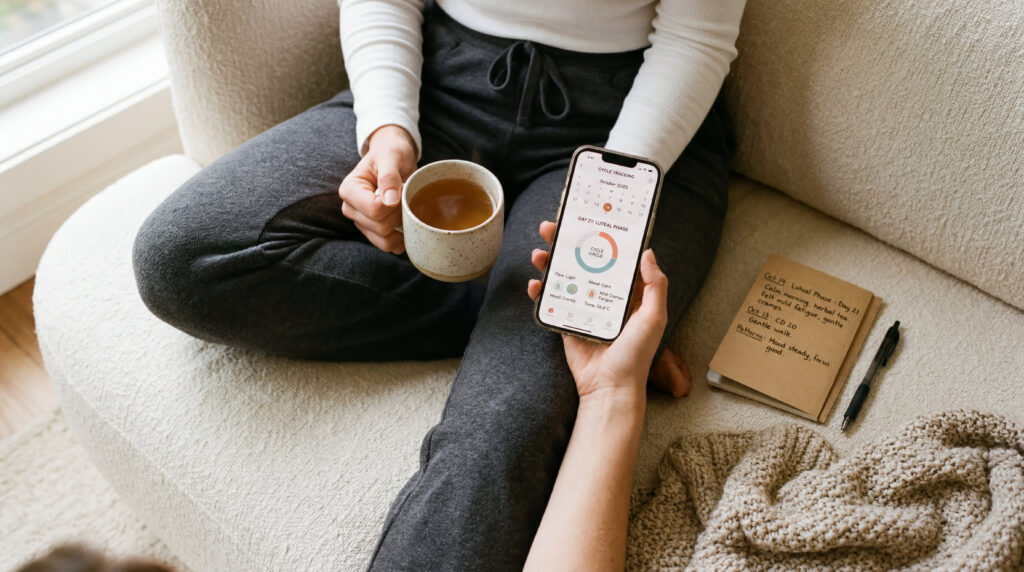
Most women notice improvements within the first full cycle of applying the method. The preparation phase before ovulation, especially increasing water and reducing sodium, tends to produce the fastest visible change in how bloated you feel mid-cycle.
By the second or third cycle, the routine becomes habitual and the benefits compound. You will likely find that you no longer dread the mid-cycle window because you have a plan that works. If bloating does not improve after three consistent cycles of applying the method, it may be worth exploring other contributing factors with a healthcare provider.
Frequently Asked Questions About Is Bloating During Ovulation Normal
What are the 7 signs of ovulation?
The 7 common signs of ovulation include cervical mucus changes (becoming clear, stretchy, egg-white-like), a slight rise in basal body temperature, mild pelvic pain (mittelschmerz), increased libido, breast tenderness, bloating, and sometimes light spotting, all driven by hormonal shifts that signal peak fertility. Not everyone experiences all signs, but tracking these can help identify your fertile window for conception or pregnancy prevention, say fertility experts.
How to fix bloating during ovulation?
To reduce ovulation bloating, focus on a diet with less salt, more potassium (bananas, avocado) and magnesium (almonds, kale), stay hydrated, use natural diuretics (cucumber, pineapple), get gentle exercise (walking, yoga), manage stress, and consider probiotics or digestive enzymes. Tracking your cycle helps you prepare for this temporary discomfort.
When is bloating the worst during a cycle?
Bloating is often worst in the days leading up to your period (PMS), peaking just before or on the first day of your flow, due to hormonal shifts causing fluid and sodium retention, but some studies suggest it can also peak on the first day of menstruation itself, with relief often coming within the first few days of bleeding. The severity varies, but it generally subsides as your period progresses.
What are signs that you are extremely fertile?
High fertility symptoms, indicating your peak fertile window around ovulation, include clear, stretchy, egg-white-like cervical mucus, a slight rise in basal body temperature, potential mild one-sided pelvic pain (mittelschmerz), breast tenderness, increased libido, and sometimes light spotting or heightened senses. These physical and hormonal changes signal that sperm can more easily reach an egg, increasing the chance of pregnancy.
How long does ovulation bloating last?
These symptoms usually show up between days 11 and 14 of your menstrual cycle and last anywhere from a few hours to two days. Common symptoms are puffiness around your middle section and abdominal discomfort ranging from mild cramps to sharp sensations, typically on one side. The bloating typically resolves on its own as hormone levels stabilize after ovulation.
Supporting Your Body Through Every Phase
Hormonal bloating is a reminder that your body is cycling through a complex and purposeful process each month. Supporting that process with consistent habits makes the discomfort more manageable and less disruptive to your daily life. Digestive health and hormonal balance are closely connected, and small daily choices can influence how your gut responds to the shifts that happen around ovulation.
Goli Pre+Post+Probiotic Gummies offer a simple way to support your digestive health throughout your cycle. Probiotics play a role in maintaining the gut balance that hormonal fluctuations can temporarily disrupt, and incorporating them as part of your daily routine can complement the dietary and lifestyle adjustments in the Cycle Sync Method. They are not a replacement for the foundational habits but an easy addition that supports what you are already doing.
You May Also Like
If bloating is a recurring theme in your cycle, having a go-to comfort strategy can make the days around ovulation and your period much more bearable. Herbal teas are one of the simplest and most accessible tools for digestive relief, and certain blends are especially well suited for hormonal bloating.
This guide covers which teas work best and how to use them effectively: Bloating Tea: Finding Relief With the Comfort Cup Guide.
The Bottom Line
The Cycle Sync Method gives you a three-phase approach for managing ovulation bloating: prepare before estrogen peaks, support your body during the ovulation window, and ease into the luteal phase with fiber, hydration, and probiotics.
Start by tracking your cycle for one month to identify when your bloating typically appears. Once you know the pattern, begin adjusting your water intake and sodium levels a few days before your expected ovulation date. That single change often makes the biggest initial difference.
Over time, the full method becomes second nature. Your body sends the same hormonal signals each month, and when you learn to read them and respond early, is bloating during ovulation normal becomes a question you already know the answer to. It is normal, it is temporary, and with the right approach, it is entirely manageable.
References
- Flo Health. Ovulation Bloating: Everything You Need to Know.
- IVI Fertility. Bloating During Ovulation: Causes, Symptoms, and Remedies.
- Kin Fertility. Managing Bloating During Ovulation: Here’s What to Do.
- Natural Cycles. Bloating During Ovulation: Causes, Symptoms and How to Manage.
- Ovoria. What Are the Causes of Bloating During Ovulation?
- WebMD. Am I Ovulating?