
If you are experiencing extreme bloating early pregnancy 1 week after conception or a missed period, you are not imagining things. The intensity can feel shocking, especially when you are barely pregnant or just learning you might be. Your belly may feel stretched to its limit, your jeans suddenly won’t button, and the pressure can range from uncomfortable to genuinely distressing. This level of bloating is not talked about enough, but it is a real and common experience for many women in the earliest days of pregnancy.
The confusion often starts with timing. When you search for information about bloating at one week, you may be referring to one week after your missed period, one week after conception, or even one week into what doctors call pregnancy. Each of these represents a very different point in your timeline, and the bloating you feel can vary significantly based on where you actually are. What matters most is understanding why your body reacts this way and what you can do to find relief while your digestive system adjusts to massive hormonal shifts.
You deserve clear answers about why this happens, when it might ease up, and how to tell if what you are experiencing falls within the normal range or requires medical attention. This guide walks through everything you need to know about managing extreme bloating in early pregnancy.
The Short Answer
Extreme bloating early pregnancy 1 week after conception happens because rising progesterone slows digestion and traps gas in your intestines. This can begin as early as implantation, around six to ten days after conception. Most women find relief as their body adjusts by weeks ten to twelve through hydration, small meals, and gentle movement.
What “1 Week Pregnant” Actually Means
Understanding your timeline helps make sense of your symptoms. Pregnancy dating can be confusing because medical weeks do not match up with what most people expect.
If you are one week past your missed period, you are about five weeks pregnant in medical terms. Doctors count from the first day of your last menstrual period, not from conception. This means you are technically two weeks pregnant at the moment of conception itself.
If you conceived one week ago, you are roughly three weeks pregnant medically. Your body is just beginning to produce pregnancy hormones, and a standard pregnancy test may not detect them yet. However, hormonal changes are already underway, and bloating can start even before a test turns positive.
If you are in the first week after a positive pregnancy test, you are likely between four and six weeks pregnant. At this stage, progesterone levels are rising rapidly, and bloating often intensifies. The confusion around timing is exactly why many women feel blindsided by how extreme their bloating becomes so early.
Why Bloating Can Feel Extreme So Early in Pregnancy
Bloating during early pregnancy is not just about eating the wrong foods or drinking too little water. Your body is undergoing profound hormonal changes that directly affect your digestive system.
Progesterone is the primary driver. This hormone increases dramatically after conception to support the developing pregnancy. One of its effects is relaxing smooth muscle tissue throughout your body, including the muscles in your intestines. This slows down digestion significantly, giving gas more time to build up and causing that tight, swollen feeling in your abdomen.
Water retention adds another layer. Early pregnancy triggers your body to hold onto more fluid, which can make your belly feel puffy even without excess gas. The combination of trapped gas and water weight creates the sensation of extreme bloating that feels different from anything you experienced before pregnancy.
Individual sensitivity varies widely. Some women notice barely any bloating, while others feel like their abdomen has doubled in size within days. If you already had digestive issues before pregnancy, such as irritable bowel syndrome or sensitivity to certain foods, those conditions can amplify bloating in early pregnancy. Your unique digestive system determines how intensely you experience these symptoms.
The speed of hormonal changes matters. In early pregnancy, progesterone levels can double every 48 hours. This rapid escalation means your digestive system does not have much time to adjust gradually. The result can be sudden and severe bloating that catches you completely off guard.
The 3-Phase Bloating Support Approach
Managing extreme bloating in early pregnancy works best when you understand that your needs change as your body adjusts to pregnancy. This approach breaks down relief strategies into three phases that match how your symptoms typically progress.
Phase 1: Immediate Relief (Days 1–14)
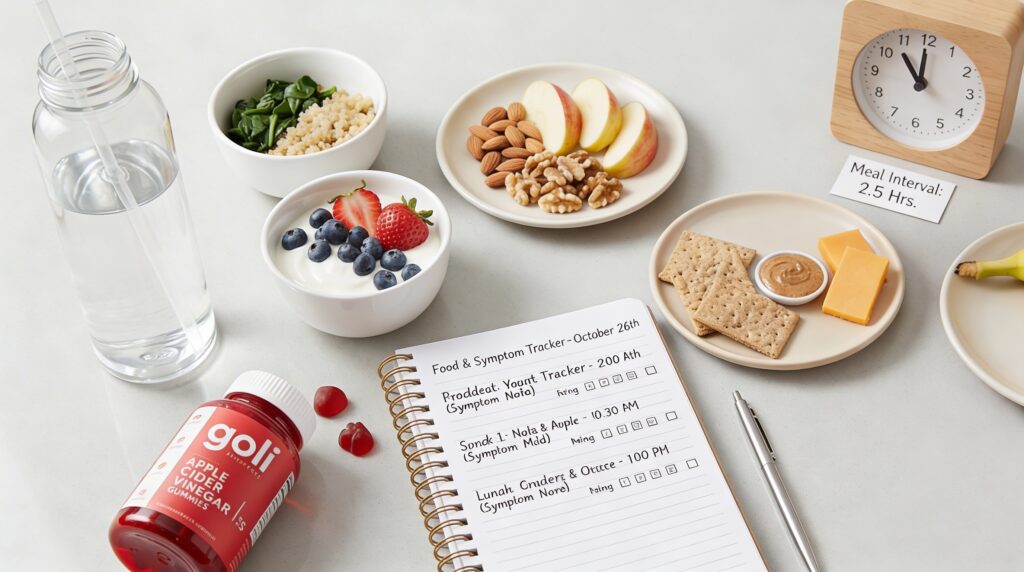
This phase focuses on reducing discomfort right now. Your body is adjusting to rapid hormonal surges, and bloating can feel overwhelming. Prioritize small, frequent meals instead of three large ones. Choose foods that digest easily, such as plain crackers, bananas, rice, and toast. Drink room-temperature water throughout the day, aiming for eight to ten glasses. Avoid carbonated beverages and anything that introduces extra air into your digestive system.Gentle movement, even just a ten-minute walk, helps move gas through your intestines.
Phase 2: Pattern Recognition (Weeks 3–8)
By this phase, you start noticing what makes bloating better or worse. Keep a simple food and symptom log to identify your personal triggers. Many women find that dairy, beans, broccoli, and cauliflower worsen bloating during pregnancy. Others discover that eating too quickly or skipping meals leads to more severe symptoms later. Use this information to refine your eating patterns. This is also the time to establish consistent movement habits, whether that means walking, swimming, or prenatal yoga.
Phase 3: Long-Term Management (Week 9 and Beyond)
Most women experience significant improvement in bloating by weeks ten to twelve as their body adapts to higher progesterone levels. However, bloating may return later in pregnancy as the growing uterus puts pressure on your intestines. The habits you built in earlier phases continue to serve you well. Focus on fiber-rich foods to prevent constipation, which can worsen bloating. Stay hydrated and keep moving regularly. If bloating persists or worsens after the first trimester, discuss it with your healthcare provider to rule out other causes.
Step-by-Step: How to Relieve Extreme Bloating During Early Pregnancy
These steps correspond to the three phases and give you concrete actions to take right now.
Step One: Start with hydration and timing. Drink a full glass of water first thing in the morning before eating anything. This helps wake up your digestive system. Continue drinking water throughout the day, but avoid gulping large amounts at once. Sip slowly to reduce the air you swallow. Space your water intake between meals rather than drinking heavily with food, which can slow digestion further.
Step Two: Adjust meal size and frequency. Instead of three standard meals, eat five or six smaller portions spread across the day. This keeps your digestive system working steadily without overwhelming it. Each mini-meal should include some protein and a small amount of complex carbohydrates. Examples include a handful of nuts with an apple, Greek yogurt with berries, or a slice of whole-grain toast with almond butter.
Step Three: Move your body gently after eating. Even five to ten minutes of light walking after meals can make a significant difference. Movement encourages your intestines to keep working and helps gas pass through your system more efficiently. Avoid lying down immediately after eating, which can worsen bloating and lead to heartburn.
Step Four: Identify and avoid your trigger foods. Common culprits include cruciferous vegetables like broccoli and cabbage, dairy products, beans, and fried or fatty foods. Pay attention to how you feel within a few hours of eating specific foods. If something consistently makes bloating worse, eliminate it temporarily and see if your symptoms improve.
Step Five: Practice stress reduction techniques. Stress affects digestion directly by triggering your body’s fight-or-flight response, which slows down digestive processes. Simple deep breathing exercises, gentle stretching, or even sitting quietly for a few minutes can help. Pregnancy is already stressful enough without adding digestive discomfort to the mix.
Step Six: Know when to ask for medical help. If bloating comes with severe pain, especially pain focused on one side of your abdomen, seek medical attention immediately. This could indicate an ectopic pregnancy or ovarian cyst. Similarly, if you cannot keep fluids down due to vomiting or if you develop a fever alongside bloating, contact your healthcare provider right away.
Common Myths About Extreme Bloating in Early Pregnancy
Myth number one is that extreme bloating means something is wrong with your pregnancy. The intensity of bloating has no connection to pregnancy health or viability. Some women with perfectly healthy pregnancies experience debilitating bloating, while others with complications may have minimal symptoms. Your symptom severity does not predict your pregnancy outcome.
Myth number two suggests that bloating should not start until you are several weeks along. Bloating can actually begin as early as implantation, which occurs six to ten days after conception. This is often before a pregnancy test can detect the pregnancy. If you have extreme bloating very early on, it does not mean you are imagining things or that your timeline is off.
Myth number three claims that you just need to eat less to reduce bloating. Eating less can actually make bloating worse by slowing your metabolism and causing constipation. Your body needs regular fuel, especially during pregnancy. The solution is not eating less but eating differently—smaller portions more frequently with careful food choices.
Myth number four says that all pregnant women experience the same level of bloating. Symptom variation is enormous. Your friend who sailed through early pregnancy with no bloating had a different hormonal response and digestive baseline than you do. Comparing your experience to others only adds unnecessary worry.
What to Expect: When Does Extreme Bloating Improve?
Understanding the typical timeline helps you know what is coming and when you might find relief.
Weeks 1–4 (medically, from last period): Bloating may start during this window, especially if you are sensitive to hormonal changes. Some women notice bloating before they even realize they are pregnant. Others feel no different yet. Both experiences are completely normal.
Weeks 5–9: This is often when bloating peaks. Progesterone levels are rising sharply, and your digestive system is working overtime to adjust. You may feel most uncomfortable during this stretch. Mornings might be better than evenings as gas builds throughout the day.
Weeks 10–12: Many women report significant improvement around this time. Your body has adapted to the new hormonal environment, and digestion starts to normalize somewhat. Bloating may not disappear completely, but the extreme intensity often eases considerably.
Week 13 and beyond: Second trimester relief is real for most women. The intense early symptoms fade, and you may feel dramatically better. However, bloating can return in the third trimester as your growing uterus puts physical pressure on your intestines. The management strategies you learned early on will serve you well if symptoms return later.
Who This Is For
This approach works well if you are experiencing bloating that feels disproportionate to what you expected in early pregnancy. It is designed for women who are in the first trimester and struggling with digestive discomfort that is affecting their daily life.
This information is especially helpful if you are confused about your pregnancy timeline and trying to understand why symptoms started so early. It also serves women who have tried basic remedies without success and need a more structured approach to managing their symptoms.
This approach is not for women experiencing severe, one-sided abdominal pain, which requires immediate medical evaluation for possible ectopic pregnancy. It is also not a substitute for medical care if you are vomiting constantly and unable to keep fluids down, which may indicate hyperemesis gravidarum.
If you have a history of digestive disorders such as inflammatory bowel disease or chronic constipation, you should work with your healthcare provider to adapt these strategies to your specific situation. The general principles still apply, but you may need additional support.
FAQ: Extreme Bloating Early Pregnancy 1 Week
Can extreme bloating early pregnancy 1 week after a missed period be normal?
Yes, extreme bloating one week after a missed period is completely normal. At this stage, you are about five weeks pregnant medically, and progesterone levels are rising rapidly. This hormone slows digestion and causes significant gas buildup in many women.
How early can bloating start in pregnancy?
Bloating can start as early as implantation, which happens six to ten days after conception. This is often before a pregnancy test turns positive. Some women notice bloating even before they know they are pregnant.
Does extreme bloating mean I am having twins?
Extreme bloating alone does not indicate a twin pregnancy. While women carrying multiples may have higher hormone levels, bloating intensity varies widely regardless of how many babies you are carrying. Only an ultrasound can confirm twins.
When should I worry about extreme bloating in early pregnancy?
Seek medical attention if bloating comes with severe, one-sided pain, fever, persistent vomiting, or inability to pass gas or have a bowel movement for several days. These symptoms could indicate complications that need immediate evaluation.
Will extreme bloating hurt my baby?
No, bloating itself does not harm your baby. It is a symptom of how your body is responding to pregnancy hormones. Your discomfort is real and valid, but the baby is safely developing regardless of how bloated you feel.
What foods should I avoid if I have extreme bloating in early pregnancy?
Common triggers include beans, broccoli, cauliflower, cabbage, dairy products, fried foods, and carbonated beverages. Keep a food log to identify your personal triggers, as everyone responds differently.
Digestive Support During Early Pregnancy
While dietary changes and movement form the foundation of bloating relief, some women find additional support helpful during this challenging time. Any supplement use during pregnancy should be discussed with your healthcare provider first to ensure safety.
Ginger works by promoting gastric emptying and reducing inflammation in the digestive tract. Some women find that ginger tea or ginger supplements help ease the uncomfortable fullness that comes with bloating. Products like Goli Apple Cider Vinegar Gummies contain ginger along with other digestive-supporting ingredients, offering a convenient way to incorporate these benefits into your daily routine when traditional ACV is too harsh during pregnancy sensitivity.
Probiotics may support digestive health by promoting healthy gut bacteria balance. During pregnancy, hormonal changes can affect your gut microbiome, potentially contributing to bloating and other digestive symptoms. A high-quality probiotic designed for pregnancy may offer gentle support for your digestive system. Goli Pre + Pro + Postbiotic Gummies combine prebiotics, probiotics, and postbiotics in a single formula that some women find helpful for maintaining digestive comfort during the hormonal shifts of early pregnancy.
Remember that supplements support your overall strategy but never replace the core habits of hydration, appropriate food choices, and regular movement. They work best when combined with the lifestyle changes outlined in the three phases. Always consult your healthcare provider before starting any new supplement during pregnancy.
You May Also Like
If you’re exploring ways to support your digestive health during pregnancy, understanding how supplements work can help you make informed choices. Many women wonder whether popular wellness products deliver real benefits or rely more on marketing claims. Learning what research actually shows about these products can guide you toward evidence-based decisions that complement the lifestyle strategies outlined in this guide: Does Goli Gummies Work? What Research Actually Shows
The Bottom Line
The 3-Phase Bloating Support Approach—immediate relief, pattern recognition, and long-term management—gives you a structured path through the hormonal shifts causing extreme bloating in early pregnancy.
Today, drink a full glass of water right now and plan five small meals instead of three large ones for the rest of the day.
Each week, track symptom patterns and maintain small, frequent meals.
You are not overreacting to these symptoms, and relief is possible with the right approach. Your body is working incredibly hard right now, and what you are experiencing is real, valid, and manageable.
References
- Mayo Clinic. Symptoms of Pregnancy: What Happens First.
- American College of Obstetricians and Gynecologists. Nutrition During Pregnancy.
- National Institutes of Health, National Library of Medicine. Progesterone and its role in early pregnancy.
- Office on Women’s Health, U.S. Department of Health and Human Services. Body Changes and Discomforts During Pregnancy.
- National Institutes of Health, National Library of Medicine. Ginger in gastrointestinal disorders: A systematic review of clinical trials.
- Harvard Health Publishing. The benefits of probiotics.
- Cleveland Clinic. Gas and Bloating.